Imagine a kid who knows every dinosaur’s name but can’t recite the alphabet. Sound familiar? This is real life for many parents.
How do you turn that dino craze into more than just cool trivia? Here’s the answer: transform their love into a structured learning journey. We’re talking about creating a blog about dinosaurs.
It’s not just fun, it’s educational. I’ve seen countless parents succeed by channeling their child’s interests this way. Let’s turn that obsession into a learning adventure.
You’ll find a supportive guide here, rooted in experience and child development, to make learning both effective and fun.
Dinosaurs: The Ultimate Learning Adventure
Your child’s obsession with dinosaurs isn’t just a phase. It’s a goldmine for learning! Why squash that enthusiasm when you can use it?
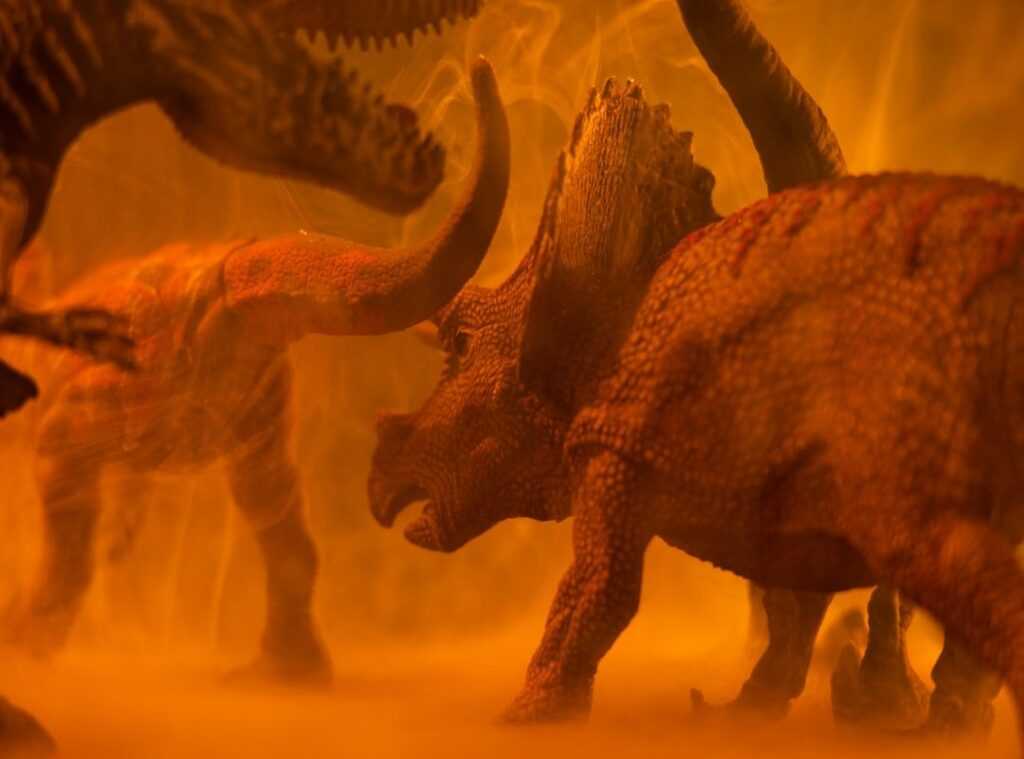
Dinosaurs captivate because they embody power and mystery. They’re creatures from a world unlike our own, sparking wild imaginations. Who wouldn’t be intrigued by a T-Rex or a long-necked Brachiosaurus?
They draw kids in, making them eager to explore more.
And here’s the kicker: this fascination opens doors to real learning. We’re talking about important stuff like scientific concepts. Kids can grasp extinction, fossils, and the difference between herbivores and carnivores.
Even geological eras (words) that seem big now but will become second nature.
Plus, talking about dinosaurs helps develop empathy. By imagining how these beasts lived, kids start thinking about the needs of other creatures. It’s like a gateway to understanding life on Earth.
Then there’s the sense of time and history. Grasping “millions of years ago” is a big deal. It’s a building block for understanding the past.
And don’t get me started on reading and research skills. Their passion drives them to read more, creating a positive loop for literacy. They become little detectives, piecing together clues from the past.
This isn’t about formal lessons. It’s about nurturing curiosity in a supportive way. Want more ways to engage curious minds?
Check out the top 5 science experiments young bloggers. It’s all about fueling that fire. A blog about dinosaurs isn’t just fun.
It’s a path to learning.
Star Reptiles: Your First Season Line-Up
Feeling overwhelmed? I get it. There are hundreds of prehistoric creatures out there.
But here’s the trick: start small. Focus on creating a “first season” for your blog about dinosaurs. Pick just 3 to 5 “star” reptiles.
Trust me, this approach makes the whole project feel way more manageable. It’s like choosing your favorite episodes of a show.
Why not start with the Tyrannosaurus Rex? It’s the fan favorite. Everybody loves a T-Rex.
Plus, it’s a great way to dive into the world of carnivores. Kids will be hooked from the get-go (and so will you).
Next up, consider the Stegosaurus. This gentle giant has those iconic plates and tail spikes. Perfect for discussions about defense mechanisms and herbivores.
Quite the contrast to our ferocious T-Rex, right?
Don’t forget the Pterodactyl. These high-flyers aren’t actually dinosaurs, but they’re important for exploring prehistoric skies. It’s a fantastic way to expand the conversation.
Kids love learning that not all ancient creatures were land-bound.
For a splash (pun intended), add the Mosasaurus. These ocean dwellers introduce massive sea reptiles and varied ancient environments. It’s a whole other world beneath the waves.
Get your child involved. Let them choose the “stars.” They’ll love having ownership over the project. It turns learning into an adventure.
Ready to start your own blog about dinosaurs? Dive in and have fun with it!
Step 2: Bring the Past to Life with Hands-On Activities
This is it. The most important part of the whole guide. Making learning a physical, memorable experience is the game-changer here.
Why? Because when kids get their hands dirty, they actually remember what they’re learning. And let’s face it, who doesn’t love a good excuse to play in the dirt?
First up, become a paleontologist. Grab a sandbox or even a plastic tub filled with sand or soil. Bury some toy dinosaur skeletons.
Let your kids excavate them using old paintbrushes. It’s like a treasure hunt but with dino bones. The excitement in their eyes when they find something is priceless.
Next, let’s create your own fossils. You won’t believe how easy this is. Mix up some salt dough (flour, salt, water.
That’s it). Press some dino toys into the dough to make ‘fossils.’ Let them air-dry or bake them. Simple, right?
Kids love seeing something they’ve made come to life.
Now for the wow factor. Visualize their size. Use a measuring tape and yarn to measure out the length of a T-Rex, about 40 feet.
Do this in your backyard or at a park. It’s a jaw-dropper for kids to see how massive these creatures were. They’ll talk about it for days.
And then there’s the Diet Detective Game. Gather those dino toys again. Create two signs: ‘Plant-Eater’ and ‘Meat-Eater.’ Help them sort the dinosaurs into the correct piles.
This game is not just fun but really helps them understand what they’ve learned about dinosaur diets.
Remember, these activities don’t need to be perfect or expensive. The goal is shared fun and exploration. It’s about the experience, not the execution.
And hey, if you’re documenting this adventure, Documenting School Projects Online can be a great resource to share your journey with others.
These hands-on activities are what make a blog about dinosaurs truly come alive. Trust me, it’s much more engaging than just reading about them. Plus, you’re making memories that’ll stick around much longer.
Isn’t that what learning should be about?
Step 3: Fun and Learning in Every Post
Creating a blog about dinosaurs can be a blast if you have a simple template. Why complicate it? Kids love structure.
Start with the “Creature Feature.” Give each post a catchy title, like “All About the Stegosaurus!” Doesn’t that sound more exciting already?
Next, dive into “Fast Facts.” Bullet points are your friend here. Short and sweet. What did it eat?
How big was it? Did it have any cool features? (Spoiler: Stegosaurus plates are a big deal.) These nuggets of info make learning stick.
Then we have “Our Big Question.” Every dinosaur has secrets. What were those plates for? A single question can spark curiosity and lead to discovery.
Kids love playing detective.
Don’t forget the “Activity Snapshot.” This is where creativity shines. Let them add a photo of their salt dough fossil or a drawing. It’s a little messy, but so worth it.
Encourage parents to keep it simple. A notebook works. Or a private family blog if they’re feeling techy.
The medium doesn’t matter. It’s about the process and documentation. This routine organizes thoughts but also builds a habit of learning.
So grab a pen, a camera, or whatever you have, and start exploring!
Dive into Dinosaurs with Your Child
Ever tried steering a child’s wild curiosity into something productive? It’s a challenge. But here’s the thing: you can turn that dino-obsession into a learning journey.
Let me say it straight. Start with hands-on activities and a simple plan. Focus on shared joy, not stress.
This approach works because it’s grounded in their curiosity and your shared experiences. So this weekend, sit with your child. Pick your first prehistoric star.
Write a blog about dinosaurs together. It’s fun. It’s educational.
And it’s the perfect way to connect. Ready to start on this adventure? Let the dino tales begin!