
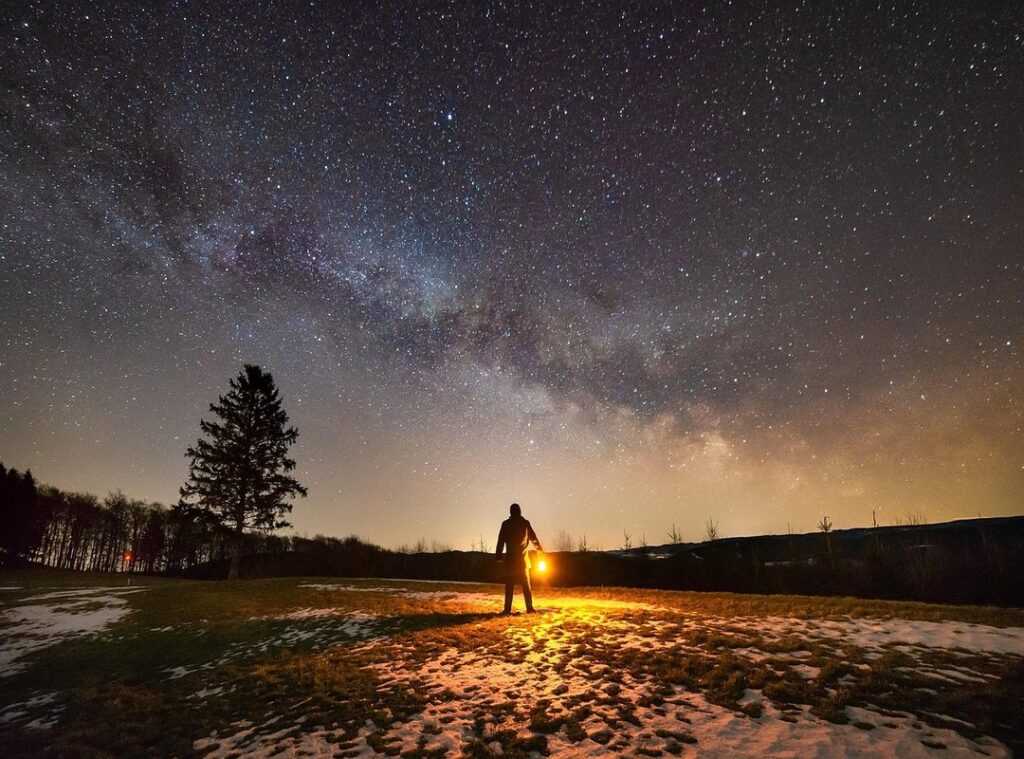
Picture this: you’re tucking your kids into bed, and they look out the window, curious about the vast night sky. You want to share the magic of the stars with them, right? But maybe you’re overwhelmed, thinking it’s too complicated or requires expensive gear.
Trust me, it’s simpler than it seems. Countless families have discovered the joy of night sky exploration without breaking the bank or needing a PhD in astronomy. We’ve seen how just looking up at the stars together can spark curiosity and create memories.
This isn’t about becoming expert astronomers overnight. It’s about connecting with your kids and inspiring wonder. This guide will help you plan your first family stargazing adventure.
Clear, simple, and fun. Aiming to make it feel accessible and exciting, not intimidating.
Night Sky Wonders: More Than Just a Pretty View
Why should we care about night sky exploration? It’s more than a lovely view. When you look up, you’re not just gazing (you’re) opening a world of curiosity, especially for kids.
Have you ever noticed how children ask the best questions when they see stars? They’re natural scientists, wondering about space and our universe. This curiosity is solid.
But it’s not just about science. It’s about making memories. Picture this: a family lying on a blanket, screens off, looking at stars.
Sounds pretty good, right? These moments build bonds and traditions that last a lifetime. It’s a special way to unwind and connect.
And here’s a secret: stargazing is a gentle intro to science. Think of it as a hands-on lesson. Kids can spot constellations (big dipper, anyone?) or watch the moon change phases.
It’s science, but fun.
Best part? It’s a low-pressure, high-reward activity. Perfect for families.
Curious about weather patterns too? Check out this Understanding Weather Patterns Simple Explanation.
So go grab a blanket. Head outside. See what the night sky can teach both you and your kids.
Gearing Up for the Galaxy: What You Really Need (and Don’t)
You likely already have everything you need for an amazing first stargazing night. Seriously. The biggest myth out there?
You have to drop a ton of cash on gear. Not true. If you’ve got a cozy blanket, you’re halfway there.
Chairs work, too. Keep it comfortable and snuggle up.
Warm clothes and snacks are next. Think of it as a cozy adventure under the stars. I mean, who doesn’t want hot chocolate while picking out constellations?
Grab a red-light flashlight. Here’s why: red light protects your night vision. And you can DIY this.
Just cover a regular flashlight with red cellophane. Easy.
Now, let’s talk “Nice-to-Haves.” Binoculars? Any pair will do. They’ll give you a breathtaking view of the moon’s craters, and suddenly “night sky exploration” feels a lot more accessible.
You don’t need the Hubble, trust me.
A stargazing app or star chart? Sure, they’re handy. But keep it user-friendly.
There are some great kid-focused apps out there. Try using them as a guide, not a distraction. Pro tip: keep the tech minimal.
And a telescope? Forget about it. For a beginner, it’s not necessary.
The goal is to simply look up, enjoy the view, and maybe have a moment. the magic happens.
Your First Stargazing Mission: A Simple Guide
Night sky exploration sounds like a huge task, right? Don’t worry. I’ve got a simple plan for you.
Step 1: Pick Your Time & Place. Start in your backyard. Easy, right?
Check the weather and peek at a moon phase calendar. New moons are best for stars. But a full moon… kids love it!
It lights up their imagination.
Step 2: Let Your Eyes Adjust. This is key. Ever heard of “dark adaptation”?
It’s when your eyes get used to the dark. Turn off house lights and phone screens for about 15-20 minutes. Make that time fun.
Maybe tell stories or listen to the night sounds. It’s like magic.
Step 3: Start with the Brightest and Biggest. Don’t try to see everything. Focus on the Moon first.
Then the brightest “star” (hint: it might be a planet like Venus or Jupiter). Try spotting a constellation like the Big Dipper or Orion. Simple and satisfying.
Step 4: Keep it Short and Sweet. Twenty to thirty minutes is perfect, especially for young ones. Leave ’em wanting more, not tired or cold.
This way, they’ll be eager for the next adventure.
Curious about other wonders you can explore with your kids? Dive into the wonders ocean curious kids for more fun ideas.
Stargazing is a gentle intro to the universe. It’s about sparking wonder, not ticking boxes. And when you’re out there, remember: it’s okay not to know everything.
Just enjoy the magic of looking up.
Making it Magical: Keeping Little Astronomers Engaged
Let me tell you, getting kids hooked on the night sky is easier than you think. It’s all about making it fun and a bit magical. Start with constellation stories.

Imagine the Big Dipper as a giant ice cream scoop (why not?) and craft a tale around it. Kids love stories, and when they’re part of creating them, they’re even more invested.
Next up, go on a moon hunt. Kids are fascinated by the Moon’s surface. Grab those binoculars and let them spot craters or “seas.” Have them draw what they see in a “Moon Journal.” This simple activity turns ordinary gazing into a thrilling adventure.
Don’t forget to play “I Spy” in the sky. It’s a classic that never gets old. “I spy with my little eye… something that twinkles.” This keeps their eyes glued to the stars and sharpens their focus. You know they love a challenge.
And here’s a pro tip: connect the stars to something they know. Spotting the Big Dipper? Explain how it leads to the North Star.
It’s like a cosmic compass, and kids dig that kind of connection. Keep it simple, though. Too many facts can overwhelm (and bore).
For more on night sky exploration, dive into resources that make learning about the stars fun for everyone. Trust me, this is how you spark a lifelong love of the stars.
First Night Out: Easy-to-Spot Wonders
Ready for some night sky exploration? Don’t worry, I’ve got you. Aim those eyes up and look for The Moon.
It’s huge, bright, and can’t be missed. Check out the ‘terminator’ line where night meets day. You’ll see the coolest craters there.
Next, find The Big Dipper. It’s part of Ursa Major and is like the North Star’s best friend, easy to spot and always there.
If it’s winter, you’ll see Orion’s belt. Those three stars in a row? That’s your guy.
And planets, they’re sneaky. They look like super bright stars but they don’t twinkle. So if you see a bright “star” just chilling, it might be Jupiter or Venus.
Happy stargazing!
Dive Into Cosmic Wonders Tonight
Feeling like stargazing is too complex for family fun? Trust me, it’s not. With just a blanket and some curiosity, you can dive into a night sky exploration that mesmerizes your kids.
Simplify things. Focus on connection. Embrace the magic and watch as unforgettable adventures unfold.
Here’s my advice: don’t wait for a special occasion. Take a peek outside tonight with your child and find just one star. You’ll be surprised at the joy a single point of light can bring.
Go ahead. Your adventure has already started. Grab their hand and look up.