I know you’re feeling a mix of excitement and anxiety about starting toilet training. It’s a big step, right? But with all the conflicting advice out there, where do you even begin?
It’s overwhelming, and I get it. You need a guide that cuts through the noise. This isn’t just another potty training guide.
It’s built on solid child development principles and real feedback from parents who’ve been through the trenches. Imagine a low-stress, connection-based approach that respects your child’s pace. That’s what you’ll find here.
This article is your go-to resource. We’ll give you a clear roadmap, a checklist of essentials, and gentle troubleshooting tips. By the end, you’ll have the confidence to guide your child through this milestone.
Ready to dive in? Let’s do this together.
Decoding Readiness: Your Child’s True Prep
Potty training. It’s a big one. We all wonder.
Is my kid ready? Forget about age for a second. Readiness is about development.
There’s no magic age to start, and pushing them too soon might just backfire.
Let’s talk physical signs. Can your kid stay dry for at least two hours? Does he have predictable bowel movements?
That’s a clue. Can he walk to and sit on the potty? If he can, you’re on the right track.
Now, what about cognitive and verbal signs? This is where it gets interesting. Can your kid follow simple instructions?
Tell you when they need to go or just went? And are they curious about the toilet? These aren’t just quirks.
They’re signs your child might be ready.
Then there are emotional signs. Independence is key. Do they want to do things on their own?
Are they unhappy with a dirty diaper? Do they like to please you (not always, but sometimes)? These emotions hint at readiness too.
Here’s the thing (you) don’t need every sign. But a mix? That’s a big hint.
Don’t stress if your child isn’t ticking every box. Consistency and patience go a long way.
And while we’re on routines, check out effective bedtime routines toddlers. It’s part of a good parenting rhythm, just like any good potty training guide. Trust me, you’ll thank me later.
The Ultimate Potty Training Toolkit: Gear Up for Success
We all know potty training can be daunting. But if you have the right tools, it’s a whole lot easier. Trust me, I’ve been there.
The potty training guide is your new best friend.
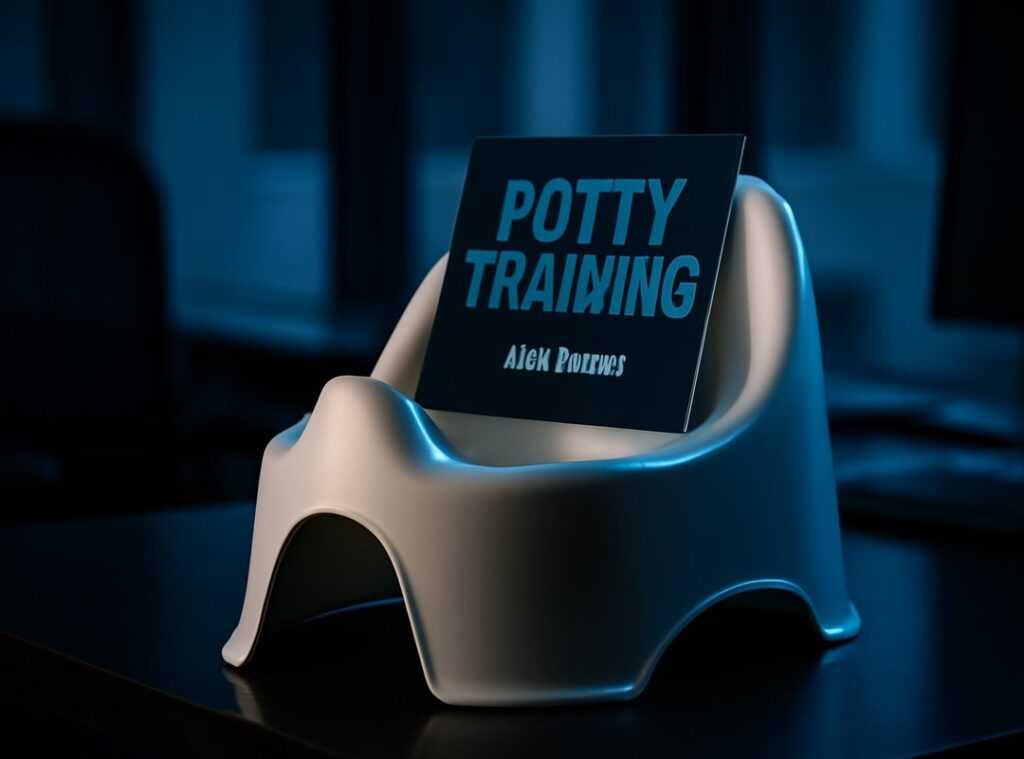
First, let’s talk gear. You’ve got two main choices: a potty chair or a toilet seat insert. Potty chairs are great for independence.
Kids can use them without help. But they need cleaning constantly (not fun). Toilet seat inserts?
They’re cleaner and get your child accustomed to the big toilet. But they’ll need a step stool to reach it.
Speaking of which, a step stool is key. It gives your child a sense of independence and helps them maintain proper posture while sitting. You don’t want them teetering on the edge of the toilet.
Trust me.
Now, clothes. Easy-on, easy-off clothes save you time and frustration. Elastic-waist pants and shorts are a lifesaver.
No buttons, no zippers (just) simple and effective. You’ll thank me later.
Motivators can be tricky. Sticker charts work if used carefully. Don’t turn them into a pressure cooker.
Make it fun: let your child pick their own stickers. Another motivator? Fun underwear.
Let them choose their favorite characters. It’s a big deal for them. Potty books and songs are also great.
They normalize the process (and make it less scary).
Cleanup is inevitable. Puppy pads for car seats and chairs are genius. Keep gentle wipes handy.
And an enzyme cleaner? Important for accidents. It removes odors and stains, so you’re not stuck with lingering reminders.
If you’re looking for a method that works, check out this detailed guide. It’s got everything you need to know for a swift transition.
Remember, every kid is unique. What works for one might not work for another. So stay patient.
You’ve got this.
Potty Training: A Patient, Step-by-Step Guide
Potty training. It’s one of those milestones that feels daunting. I know because I’ve been there.
But don’t worry. We’re going to break it down. Step by step.
No rush.
Step 1: The Introduction Phase (The Week Before)
First, introduce the potty. Let it hang out in the bathroom. It’s not a stranger.
It’s a new friend. Talk about it in a lighthearted way. I read stories about the potty to my little one.
Books can make it relatable. Let your child see family members using the toilet. It normalizes the experience.
It’s not a big deal. It’s just what we do.
Step 2: The Training Kickstart (A Dedicated Weekend)
Now for the fun part. The potty training weekend. Stay home.
Make it a relaxed event. Let your kid go pantless. It makes things easier.
Trust me on this. Offer gentle reminders. Like saying, “Let’s try sitting on the potty before we have our snack.” Avoid asking if they need to go.
That can backfire. Remember, you’re guiding, not pressuring.
Step 3: Building Consistency (The Following Weeks)
Next, transition to underwear. It’s a big moment. Build a routine.
Try the potty after waking, before meals, and before leaving the house. Celebrate efforts, not just successes. Progress isn’t overnight.
It’s gradual.
A Note on Naps & Nighttime
Don’t stress about staying dry during sleep. It’s a separate milestone. Focus on the day first.
It takes time. Be patient with yourself too.
Speaking of patience, remember it’s key to how child proof home effectively. It’s all about keeping stress low and safety high.
Pro tip: Keep extra clothes handy. Accidents happen. They’re part of the process.
Potty training is a journey. Everyone does it differently. Some kids get it right away.
Others need more time. Both are okay. The key is being supportive.
Stay calm. You’ll get there together.
This potty training guide is just that (a) guide. It’s not gospel. Adapt it to fit your child.
After all, they’re unique. And that’s what makes this adventure worth it.
Navigating Setbacks: Potty Training’s Real Talk
So, you’re in the thick of it and facing setbacks with potty training. Let’s be honest: challenges are just part of the potty training guide journey. They don’t mean you’re failing.
Problem: Frequent Accidents. When your child can’t seem to make it to the toilet in time, it’s frustrating. But it’s normal. Increase reminders, gently. Don’t nag. Keep an eye on readiness signs (sometimes toddlers aren’t as ready as they or we think). A calm, neutral reaction helps.
You’re not alone.
Problem: Fear of the Toilet. It’s real. Try a potty chair instead. Use a sticky note over the auto-flush in public bathrooms (those things are terrifying) or make flushing a goodbye game.
Problem: Potty Training Regression. New sibling or school starting? Common causes. Go back to basics. Be patient. No shame, no punishment. Remember, setbacks don’t mean failure. It’s all part of the process. Hang in there.
Your Potty Training Journey Starts Here
Potty training isn’t just ditching diapers. It’s guiding your child through a big milestone. The stress and confusion of mixed advice can weigh you down.
But you’ve got this. Our potty training guide is your go-to, focusing on your child’s readiness and your connection. You’re not alone.
Trust your intuition, trust your child, and dive in with confidence. Bookmark this page for support when you need it. You’re armed with the tools and knowledge.
Start now, and transform stress into success. Trust me, you’ll handle this like a pro. Ready?
Let’s do this together.

 Ronna Fisheroda writes the kind of child development insights content that people actually send to each other. Not because it's flashy or controversial, but because it's the sort of thing where you read it and immediately think of three people who need to see it. Ronna has a talent for identifying the questions that a lot of people have but haven't quite figured out how to articulate yet — and then answering them properly.
They covers a lot of ground: Child Development Insights, Practical Toddler Care Tips, Kids' Blog-Focused Learning Paths, and plenty of adjacent territory that doesn't always get treated with the same seriousness. The consistency across all of it is a certain kind of respect for the reader. Ronna doesn't assume people are stupid, and they doesn't assume they know everything either. They writes for someone who is genuinely trying to figure something out — because that's usually who's actually reading. That assumption shapes everything from how they structures an explanation to how much background they includes before getting to the point.
Beyond the practical stuff, there's something in Ronna's writing that reflects a real investment in the subject — not performed enthusiasm, but the kind of sustained interest that produces insight over time. They has been paying attention to child development insights long enough that they notices things a more casual observer would miss. That depth shows up in the work in ways that are hard to fake.
Ronna Fisheroda writes the kind of child development insights content that people actually send to each other. Not because it's flashy or controversial, but because it's the sort of thing where you read it and immediately think of three people who need to see it. Ronna has a talent for identifying the questions that a lot of people have but haven't quite figured out how to articulate yet — and then answering them properly.
They covers a lot of ground: Child Development Insights, Practical Toddler Care Tips, Kids' Blog-Focused Learning Paths, and plenty of adjacent territory that doesn't always get treated with the same seriousness. The consistency across all of it is a certain kind of respect for the reader. Ronna doesn't assume people are stupid, and they doesn't assume they know everything either. They writes for someone who is genuinely trying to figure something out — because that's usually who's actually reading. That assumption shapes everything from how they structures an explanation to how much background they includes before getting to the point.
Beyond the practical stuff, there's something in Ronna's writing that reflects a real investment in the subject — not performed enthusiasm, but the kind of sustained interest that produces insight over time. They has been paying attention to child development insights long enough that they notices things a more casual observer would miss. That depth shows up in the work in ways that are hard to fake.