
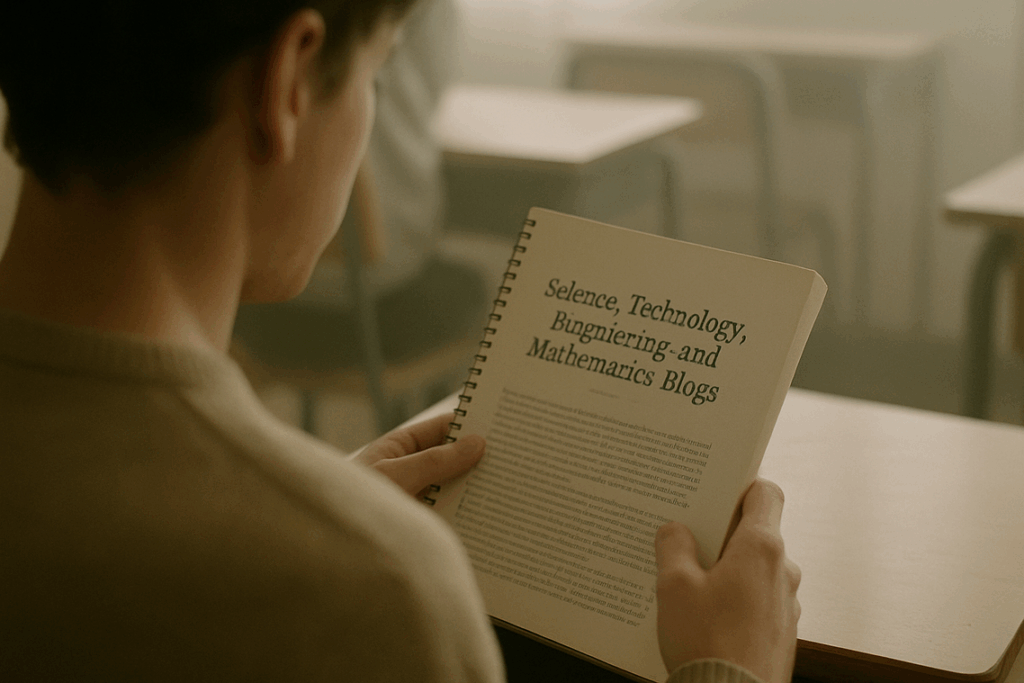
Parenting doesn’t come with a manual—but the right guidance can make every stage of your child’s growth more confident and rewarding. If you’re searching for practical parenting strategies, toddler care tips, and meaningful learning paths for curious young minds, this article is designed with you in mind. We focus on clear, research-informed insights that help you better understand child development, support emotional well-being, and encourage early learning at home.
Many parents feel overwhelmed by conflicting advice online. That’s why we’ve drawn from established child development research, evidence-based educational practices, and insights from experienced educators to ensure the information you’re reading is accurate, practical, and easy to apply. Whether you’re exploring routines for toddlers or looking for educational blogs for students to support early academic growth, this guide will walk you through strategies that nurture confidence, curiosity, and lifelong learning—step by step.
Finding Your Digital Tutor: Navigating the World of Academic Blogs
The internet can feel like the Upside Down from Stranger Things—familiar, but full of questionable paths. When searching for educational blogs for students, the real challenge isn’t access; it’s accuracy. Anyone can publish advice, but not every source explains algebra clearly or breaks down Shakespeare without turning it into a riddle.
How to Spot the Real Study Heroes
Start with blogs that define key terms (like metacognition, meaning thinking about how you think) and use real-world examples. The best ones feel less like a lecture and more like a smart friend texting you before a big test. Some argue textbooks alone are enough. Fair point. But blogs often update faster and connect lessons to current events (yes, even Taylor Swift economics references). Choose clarity over hype.
The Quality Checklist: How to Spot a Genuinely Useful Academic Blog
Not all academic blogs are created equal. Some look polished but lack depth. Others are packed with insight yet hard to follow. So how can you tell the difference?
Start with Expertise and Authority. This simply means the writer knows what they’re talking about. Look for credentials such as teachers, professors, or subject matter experts. Clear sourcing—like citing research from institutions such as Harvard or the OECD—adds credibility (and shows the content isn’t just opinion).
Next comes Clarity and Examples. Strong educational writing breaks complex ideas into simple steps. Instead of defining “metacognition” with jargon, a helpful blog might explain it as “thinking about how you think,” then give a study example. The best educational blogs for students use:
- Plain language
- Visual aids or diagrams
- Real-world examples
Actionable Advice is another must-have. Theory is helpful, but application matters more. Look for study checklists, reflection prompts, or practice exercises you can try immediately (pro tip: if you can’t apply it today, it may be fluff).
Finally, check for Engagement and Community. Are readers commenting, asking questions, or sharing experiences? An active discussion signals value. After all, if no one is interacting with it, is it truly helping anyone?
For the Scientists and Mathematicians: Top Blogs for STEM Success

STEM subjects have a reputation for being intimidating. Abstract ideas, dense formulas, and theories that seem to float in space without context (looking at you, imaginary numbers). But the right blogs can turn confusion into clarity.
Here are my top recommendations.
1. Khan Academy Blog
Khan Academy shines because it breaks complex topics into step-by-step explanations. A step-by-step explanation walks you through a problem in logical stages, showing not just what to do but why you’re doing it. From basic algebra to advanced calculus and physics, it scaffolds learning—meaning each concept builds on the last.
Some critics argue that structured platforms can feel too guided, limiting independent thinking. That’s fair. But when you’re reviewing derivatives the night before an exam, clarity beats chaos. Pro tip: Use it to rework problems you missed in class instead of passively watching videos.
2. BetterExplained
BetterExplained focuses on intuition-building, which means understanding the reason behind formulas rather than memorizing them. Instead of drilling equations, it explains why they make sense in real-world terms—like comparing exponents to repeated multiplication you already understand.
Skeptics might say intuition alone isn’t enough for high-level proofs. True. But intuition makes formal math far less scary (and far more human).
How to Use Them Effectively
- Supplement classroom lessons
- Review before exams
- Explore curiosity-driven topics
Pair these with structured planning tools like goal setting for kids a step by step learning framework to stay consistent.
The best educational blogs for students don’t replace teachers—they reinforce them. Choose blogs that make abstract ideas concrete, and your confidence will follow.
For the Writers and Historians: Best Blogs for the Humanities
I still remember staring at my first college history paper, convinced I had written something brilliant—until it came back bleeding red ink. My thesis was vague, my citations were a mess, and apparently, I had been “creatively interpreting” comma rules. That experience sent me searching for better tools.
For anyone serious about improving their craft, The Purdue OWL (Online Writing Lab) is the gold standard. It breaks down citation styles like MLA and APA—formal systems for crediting sources to avoid plagiarism (using someone else’s work without acknowledgment). It also clarifies tricky grammar rules with practical examples. Some argue citation guides are overly rigid and stifle creativity. I get that. But structure doesn’t limit ideas; it strengthens them. (Think of it as the frame that lets the painting shine.)
Then there’s the Grammarly Blog, which goes beyond spellcheck. It explains tone—how your attitude comes across in writing—and offers clear tips on punctuation, clarity, and conciseness. While critics say tools like this can make writers overly dependent on software, I’ve found the opposite: understanding why a sentence works builds long-term confidence.
Pro tip: Bookmark a few educational blogs for students and review them before submitting major essays.
Key Takeaways:
- Strong writing requires structure and clarity.
- Proper citation protects credibility.
- Clear grammar sharpens your argument.
In the humanities, great ideas deserve equally great expression.
Smarter, Not Harder: Blogs for Essential Study Skills
Academic success is not just about mastering content; it’s about mastering how you learn. Many students assume longer hours equal better grades, but research shows strategic study methods improve retention and performance (Dunlosky et al., 2013).
Here are two standout educational blogs for students worth bookmarking:
- College Info Geek breaks down productivity systems like the Pomodoro Technique—25-minute focused sprints followed by short breaks—and shares practical note-taking frameworks such as active recall.
- Thomas Frank’s Blog dives deep into building sustainable study habits and organizing assignments with digital tools like Notion or task managers.
Some argue natural intelligence matters more than systems. Yet evidence suggests structured techniques narrow achievement gaps by improving focus and consistency.
Pro tip: Track which strategies boost quiz scores, then double down. Study smarter, not longer, and your grades often follow with consistent deliberate weekly reflection and adjustment.
You now have a curated list of the best blogs to guide your learning journey.
Some argue you can figure everything out alone (and sure, independence matters). But why waste hours sorting unreliable advice when trusted voices already did the work?
- Clear explanations
- Actionable study tips
- Real-world examples
With educational blogs for students, the search struggle is over. Pick one blog, read one article today. The first step changes everything right now.
Helping Your Child Thrive Starts Today
You came here looking for real, practical guidance to support your child’s growth—and now you have clear strategies to strengthen learning, build confidence, and navigate everyday parenting challenges with purpose.
Raising curious, capable kids isn’t always easy. The pressure to “get it right,” support development milestones, and encourage a love of learning can feel overwhelming. But with the right tools and consistent, thoughtful action, you can create an environment where your child truly thrives.
The next step is simple: start applying one strategy today. Whether it’s introducing structured learning time, exploring educational blogs for students, or creating more intentional moments of connection, small actions lead to meaningful progress.
Don’t let uncertainty hold your child back. Get the trusted parenting strategies, toddler care tips, and learning insights you need to feel confident and prepared. Explore more expert-backed guidance now and give your child the strong foundation they deserve.