
If you’re searching for clear, reliable advice on raising a healthy, happy toddler, you’re in the right place. The early years move quickly, and with so much conflicting information online, it’s hard to know which parenting strategies truly support your child’s growth and development.
This article is designed to meet that need. We break down essential toddler care tips, age-appropriate learning paths, and practical routines that nurture curiosity while building strong developmental foundations. Whether you’re looking for guidance on behavior, milestones, or a comprehensive toddler nutrition guide, you’ll find straightforward, research-informed insights you can apply right away.
Our content draws from established child development research, pediatric recommendations, and proven early learning principles to ensure you’re getting trustworthy, experience-backed guidance—not trends or guesswork.
By the end, you’ll have a clearer understanding of how to support your toddler’s physical health, emotional well-being, and cognitive growth with confidence.
Toddlers grow at lightning speed, so their plates need purpose. First, focus on the “Big Three” macronutrients—protein, healthy fats, and complex carbohydrates.
Protein builds muscle and repairs busy little bodies. A golf ball-sized portion of lean meat, a scrambled egg, or half a cup of beans delivers amino acids—building blocks of tissue. Dairy like yogurt adds protein plus bonus calcium.
Next, healthy fats fuel brain development. In fact, about 60% of the brain is fat, according to Harvard Health. Think avocado slices, thinly spread nut or seed butters, and a drizzle of olive oil on veggies.
Then, choose complex carbohydrates for steady energy. Whole grains, sweet potatoes, and fresh fruit release glucose slowly, unlike processed snacks that spike and crash (cue the toddler meltdown).
Equally important are micronutrients. Iron supports healthy red blood cells; find it in fortified cereals, spinach, and meats. Calcium and vitamin D strengthen bones—milk, cheese, yogurt, and safe sun exposure help, notes the CDC.
For a practical toddler nutrition guide, build meals with one item from each category, tying every feature back to growth, focus, and all-day play. Pro tip: rotate colors weekly to broaden nutrients and prevent picky habits early. Small steps create lasting health.
Navigating the “No” Phase: Proven Strategies for Picky Eaters
If mealtimes feel like a standoff, you’re not alone. Research suggests that picky eating peaks between ages 2 and 6, affecting up to 50% of toddlers (Dovey et al., 2008). The good news? There are proven ways to ease the tension.
First, understand the Division of Responsibility—a feeding approach developed by dietitian Ellyn Satter. In simple terms, the parent decides what, when, and where food is offered; the child decides whether and how much to eat. Studies show that pressure to eat actually increases food refusal (Galloway et al., 2006). So when your toddler says “no broccoli,” it’s not rebellion—it’s autonomy in action (and yes, it can be exhausting).
Next, embrace the Power of Exposure. It can take 10–15 exposures before a child accepts a new food (Sullivan & Birch, 1990). That means calmly offering carrots multiple times without forcing bites. Over time, familiarity builds comfort.
You can also make food fun. Try cookie-cutter shapes, colorful “eat the rainbow” plates, or letting your child rinse veggies. Involvement increases willingness to taste, according to research in Appetite (2014).
Another smart move? Food pairing. Serve a new food alongside a reliable favorite. A small portion of spinach next to beloved pasta feels less intimidating.
Finally, model behavior. Children are more likely to try foods they see parents and siblings enjoying (Addessi et al., 2005). Your enthusiasm matters.
For broader feeding milestones, explore this potty training step by step a practical guide for parents and consult a trusted toddler nutrition guide to stay aligned with age-appropriate needs.
Progress may be slow—but it’s happening.
A Week of Healthy Eats: Sample Meal Plans & Portion Guides
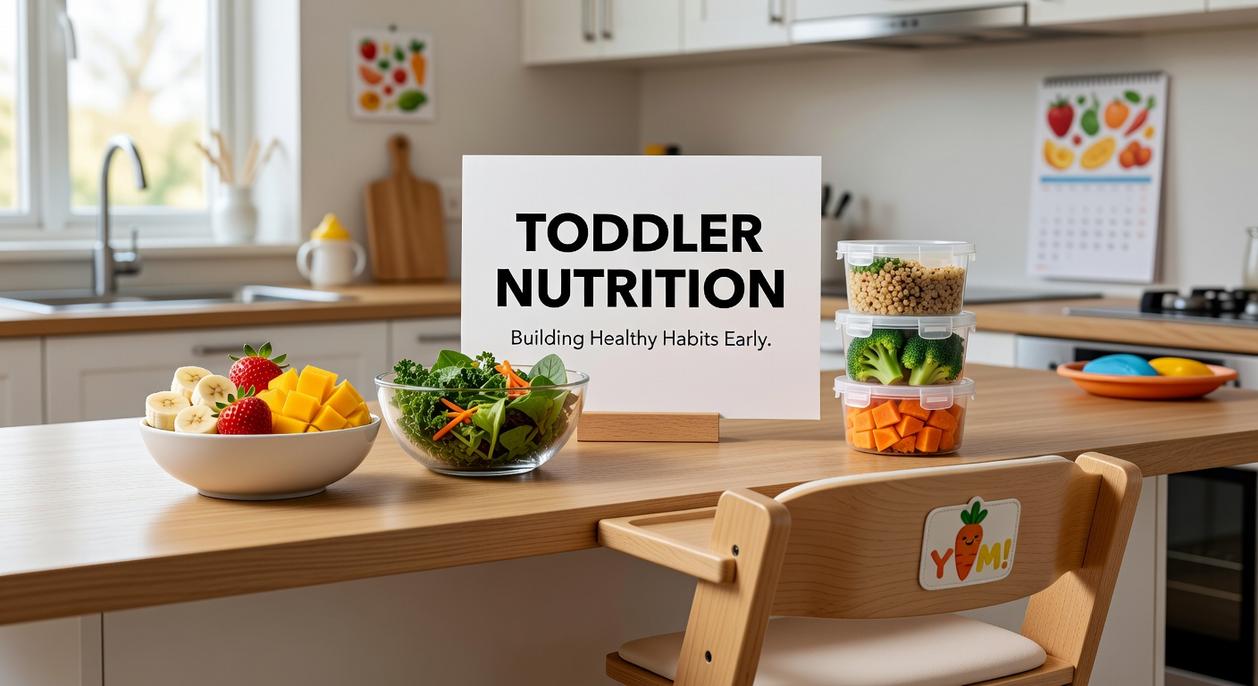
Planning toddler meals doesn’t have to feel like solving a nutrition puzzle before coffee. With a simple framework, you save time, reduce mealtime battles, and feel confident your child is getting balanced nutrition (which means fewer “Did they eat anything green?” worries).
3-Day Sample Meal Plan
Day 1
Breakfast: Scrambled egg, whole-wheat toast strips, and fresh berries.
Lunch: Deconstructed mini-pizzas on whole-wheat English muffins with sauce, cheese, and finely diced veggies; cucumber slices on the side.
Dinner: Shredded chicken, black beans, brown rice, and steamed carrots.
Snack: Yogurt with sliced peaches.
Day 2
Breakfast: Oatmeal topped with banana and chia seeds.
Lunch: Turkey and cheese roll-ups, cherry tomatoes (quartered), and whole-grain crackers.
Dinner: Baked salmon, sweet potato cubes, and green beans.
Snack: Apple slices with sunflower seed butter.
Day 3
Breakfast: Greek yogurt with granola and blueberries.
Lunch: Hummus, pita wedges, shredded carrots, and mild cheese cubes.
Dinner: Whole-wheat pasta with marinara, lean ground beef, and steamed broccoli.
Snack: Cottage cheese with pineapple.
As a result, your toddler experiences variety, which supports nutrient intake and reduces picky eating over time (exposure matters).
Simple Snack Ideas
- Cheese sticks
- Whole-grain crackers with hummus
- Hard-boiled eggs
- Smoothies with spinach and fruit
- Nut-free energy bites
- Sliced pears with yogurt dip
Visual Portion Guide
Follow the toddler nutrition guide: offer about 1 tablespoon of each food group per year of age. This “rule of thumb” prevents over-serving and respects natural hunger cues. Ultimately, balanced portions plus consistent variety build healthy habits that last well beyond the toddler years.
Common Pitfalls: Foods to Limit and Safety First
Hidden Sugars
Many “healthy” picks—flavored yogurts, fruit juices, and snack bars—are sugar bombs in disguise (yes, even the ones with cartoon fruit). Too much added sugar can crowd out real nutrients (CDC). Choose plain yogurt with mashed berries or whole fruit instead. Pro tip: scan labels for words ending in “-ose.”
Sodium Intake
Young kidneys are still developing, so limit salt (American Academy of Pediatrics). Check packaged foods and aim for low-sodium options.
Choking Hazards
Avoid or modify:
- Whole nuts
- Whole grapes (slice lengthwise)
- Hot dogs (cut thinly)
- Hard candy
For more detail, consult a trusted toddler nutrition guide.
Helping Your Toddler Thrive Starts Today
You came here looking for clear, practical guidance to support your child’s growth—and now you have a better understanding of what truly fuels healthy development. From balanced meals to smart snack choices, you’ve seen how the right approach can make a lasting difference in your little one’s energy, focus, and overall well-being.
Feeding a toddler isn’t always easy. Picky eating, unpredictable appetites, and busy schedules can make nutrition feel overwhelming. But with the right plan in place, you can replace mealtime stress with confidence and clarity.
If you’re ready to take the guesswork out of feeding your child, start using a structured toddler nutrition guide that simplifies what to serve, how much to offer, and how to build healthy habits that stick. Families who follow a clear nutrition roadmap see smoother mealtimes and healthier growth patterns.
Don’t let confusion around food choices slow your child’s progress. Explore a trusted toddler nutrition guide today and give your toddler the strong, healthy foundation they deserve.