
If your child falls apart the moment they walk through the door, you’re not alone. After a long day of structured learning, social pressure, and sensory overload, many kids release their pent-up emotions at home. You’re likely searching for practical, realistic after school meltdown solutions that actually work — not just quick fixes, but strategies that support your child’s emotional development.
In this article, we’ll break down why after-school meltdowns happen, what your child’s behavior is really communicating, and simple, research-backed techniques you can use right away. We’ve reviewed current child development research and practical parenting strategies to ensure the guidance here is both compassionate and effective.
By the end, you’ll understand how to create smoother transitions, reduce emotional overload, and build healthy coping skills that support your child long term — not just survive the afternoon, but transform it into a calmer, more connected time together.
Why After-School Meltdowns Happen (And How to Handle Them)
You know the scene: your child walks in from school and suddenly everything falls apart. Tears. Anger. Total shutdown. It feels personal—but it’s not. This is often after-school restraint collapse, the release of pent-up stress from holding it together all day.
The good news? Understanding this changes everything. Instead of walking on eggshells, you can:
- Prevent blowups with simple after school meltdown solutions
- Respond calmly when emotions spill over
- Create a more peaceful evening rhythm
When you shift from reacting to supporting, home becomes a safe landing spot—not another battleground.
Decoding After-School Restraint Collapse
After-school restraint collapse is what happens when a child uses up ALL their self-control during the school day and has nothing left by the time they get home. In simple terms, they’ve been “on” for hours—following rules, listening carefully, sharing, waiting their turn—so when they finally reach their safe space, the emotions spill out.
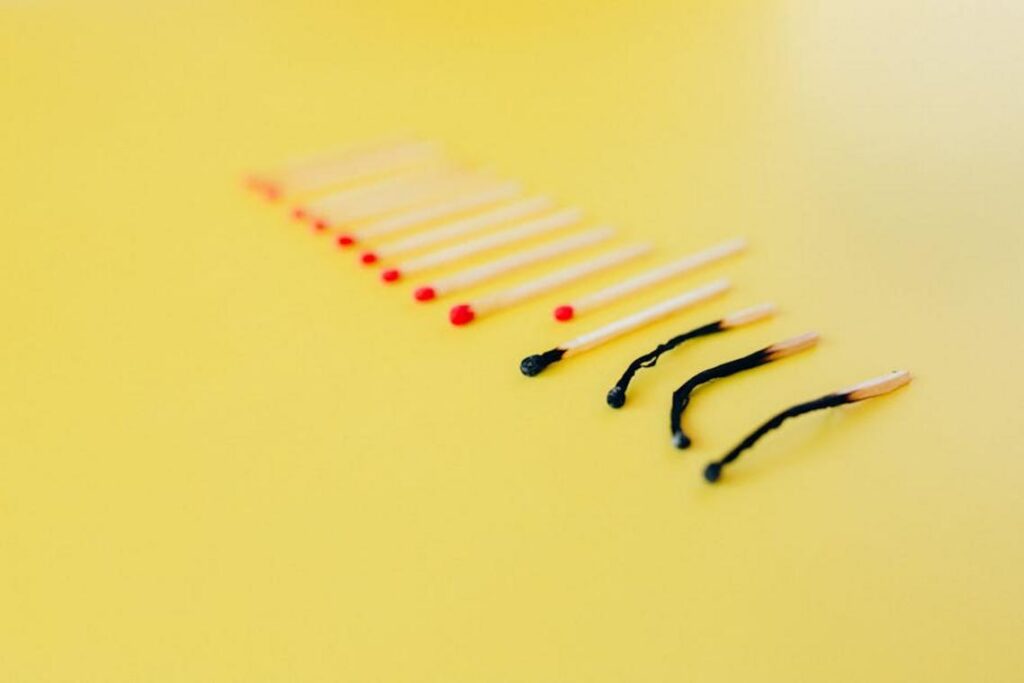
Think of it like a soda bottle that’s been shaken all day. School shakes it with spelling tests, group projects, bright lights, playground politics, and the effort of staying quiet. Home is when the cap comes off. FIZZ.
Primary triggers include cognitive fatigue from learning new material, social exhaustion from navigating friendships, holding in big feelings, sensory overload from noise and lights, and plain physical hunger. Some argue kids should “behave the same everywhere.” But that view misses something important: children release emotions where they feel SAFE.
And here’s the benefit of understanding this. When you recognize the meltdown as a sign of trust—not defiance—you respond with empathy instead of punishment. That shift builds emotional security, stronger communication, and long-term resilience. Instead of scrambling for random after school meltdown solutions, you can proactively offer snacks, quiet time, or connection.
The upside? CALMER evenings and a child who feels deeply understood.
Setting the Stage for a Calm Afternoon: Proactive Prevention
Most parents focus on fixing meltdowns. Fewer focus on preventing them. That’s the gap.
The principle of Connection Before Correction shifts everything. Instead of firing off, “How was your day?” the moment your child walks in (which can feel like a pop quiz), offer a warm hug and a genuine smile. Connection is the nervous system’s reset button. When children feel seen first, they’re far less likely to spiral later.
Next, prioritize biology before behavior. A nutrient-dense snack with protein and complex carbs—like apple slices with peanut butter or cheese and whole-grain crackers—stabilizes blood sugar. Add water immediately. Research shows that even mild dehydration can impact mood and cognitive function (CDC). Many so-called behavioral issues are really “hangry” moments in disguise.
Then, build what I call a Decompression Buffer: 15–30 minutes of low-demand, child-led quiet time. Not screens. Think drawing, building, listening to music, or simply staring at the ceiling (yes, that counts). This transition period acts like a pressure valve after a structured school day.
Finally, differentiate energy needs:
- Physical Release – Trampoline jumping, backyard races, dance parties.
- Sensory Calm – Weighted blankets, cuddling, dim lighting, soft music.
Many after school meltdown solutions lump all kids together. But children aren’t one-size-fits-all. Some need to move like they’re in a Pixar training montage; others need stillness.
When you proactively meet connection, nutrition, and energy needs, you’re not reacting—you’re engineering calm.
What to Do When the Storm Hits: In-the-Moment Tactics
Last Tuesday at 4:17 p.m., my child melted into a puddle of tears over the “wrong” snack. Shoes were kicked off, backpack flung, dramatic sobbing worthy of an awards show. I remember thinking: Here we go. (After school is basically toddler jet lag.) That moment reminded me why parental co-regulation matters so much.
Co-regulation means lending your calm nervous system to your child when theirs is overloaded. A dysregulated adult cannot calm a dysregulated child. If your voice rises, theirs will too. Lower it instead. Slow your breathing. Be the anchor.
Try scripts like:
- “I can see you are feeling very angry right now. It is okay to be angry, but it is not okay to throw your toys.”
- “You’re upset. I’m here. We’ll figure this out together.”
Some argue kids should “just learn to control themselves.” But neuroscience disagrees. During a tantrum, the logical brain (the prefrontal cortex) is essentially offline (Siegel & Bryson, 2011). Logic won’t land. Save lessons for later.
Reduce sensory input immediately:
| Overstimulated? | Try This |
|—————–|———-|
| Loud room | Lower your voice |
| Bright lights | Dim them |
| TV blaring | Turn it off |
An overstimulated brain cannot settle in chaos.
Create a Calm-Down Corner—pillows, soft blankets, sensory tools. Not a punishment spot, but a safe harbor.
And yes, consistent after school meltdown solutions help prevent the storm in the first place. Pair this with 5 minute daily check ins that strengthen parent child bonds.
Pro tip: Practice calm scripts when everyone is regulated. (It’s much easier than mid-hurricane.)
Raising emotionally skilled kids isn’t about stopping every meltdown; it’s about becoming an emotion coach. Name feelings during calm moments, like while reading a book or chatting about a character’s bad day. I’m not sure there’s one perfect script, but language builds emotional literacy. After a hard afternoon, try after school meltdown solutions by asking, “That was a really tough afternoon. What do you think your body needed when you got home from school today?” Model it too: say, “I’m feeling frustrated, so I need a break,” and take deep breaths. Consistency matters more than perfection. Growth takes patience and practice.
Creating a Peaceful After-School Rhythm
I used to think the tears and yelling at 3:30 p.m. meant my child was being defiant. I was wrong. After-school outbursts are usually a cry for connection and regulation, not rebellion. Once I stopped lecturing and started listening, everything shifted.
The real fix is two-pronged: a proactive routine that covers food, connection, and rest, plus calm empathy when big feelings spill over. Think snack, cuddle, quiet time (in that order).
Start with one consistent habit this week.
After school meltdown solutions work because they meet needs. Small shifts build resilience and closeness together.
Helping Your Child Thrive After School
You came here looking for real, practical ways to handle those exhausting after-school hours—and now you have them. From understanding why your child feels overwhelmed to building calming routines and connection rituals, you’re equipped with strategies that actually work.
Those daily meltdowns aren’t just frustrating—they’re draining. When your child falls apart after school, it can leave you feeling helpless, guilty, or second-guessing your parenting. The good news? With the right after school meltdown solutions, you can turn chaos into connection and help your child feel safe, heard, and supported.
Now it’s time to take action. Start by choosing one strategy today—whether it’s a quiet decompression snack, a no-questions-asked cuddle window, or a predictable routine—and put it into practice this week. Small, consistent changes create powerful results.
If you’re tired of guessing and want proven, parent-tested strategies that truly make a difference, explore more of our step-by-step parenting guides trusted by thousands of families. Don’t let another stressful afternoon steal your peace—start building calmer, happier after-school moments today.