
Parenting doesn’t come with a manual—but having the right guidance can make every stage of your child’s growth more confident and rewarding. If you’re searching for practical parenting strategies, toddler care tips, and clear learning paths for curious young minds, this article is designed to give you exactly that. We focus on real-world solutions that support healthy child development, strengthen emotional bonds, and make everyday routines smoother for both parents and children.
From building positive behavior habits to encouraging early reading habits, we break down what truly helps children thrive in their formative years. Our insights are grounded in established child development research and widely recommended best practices from pediatric and early education professionals.
You’ll find actionable advice you can apply immediately—whether you’re navigating toddler milestones, fostering independence, or creating a nurturing environment that supports lifelong learning. Let’s explore the essential steps that help your child grow with confidence, curiosity, and joy.
From First Words to Fluent Reader: A Parent’s Guide to Lifelong Literacy
Literacy simply means the ability to understand and use written language. It begins long before a child reads alone. From the first lullaby to bedtime stories, you are building brain pathways. If phonemic awareness sounds confusing, it just means hearing and playing with sounds in words. Start small. Narrate your day, point to pictures, and make books part of routines. Encouraging early reading habits creates comfort, not pressure. Worried about starting too late? Research shows shared reading boosts vocabulary and bonding (American Academy of Pediatrics). Keep it warm.
Why a Love for Reading is the Foundation of Learning
I still remember my niece dragging the same picture book to me every night, long before she could recognize letters. She didn’t love the alphabet—she loved the feeling of the story. That emotional spark matters more than early rote memorization. Memorizing ABCs is mechanical learning (repeating facts without deep understanding). A love for reading, however, creates intrinsic motivation—the inner drive that fuels lifelong literacy.
Research shows early exposure to books expands vocabulary and strengthens concentration skills (American Academy of Pediatrics). Stories also nurture abstract thinking, meaning a child can imagine ideas beyond what they see.
Some argue drills and flashcards build faster results. Maybe. But I’ve seen how storytelling builds empathy and emotional intelligence—helping children name big feelings and understand others. Shared reading moments also deepen connection (those giggles over silly characters are priceless).
Encouraging early reading habits builds not just smart kids, but compassionate, curious humans.
The First Chapter: Reading with Infants and Toddlers (0–3 Years)
It’s Never Too Early
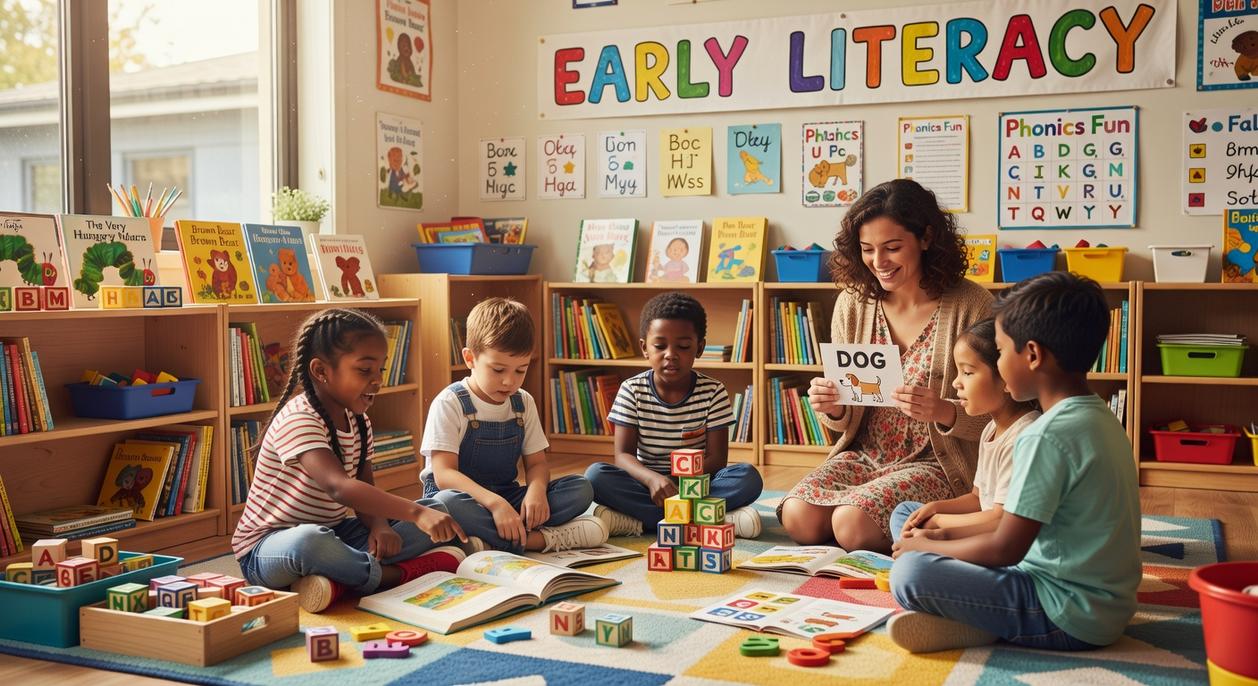
Even newborns benefit from hearing the rhythm and cadence of your voice. At this stage, reading isn’t about plot—it’s about connection. The steady pattern of language builds early neural pathways linked to literacy and emotional bonding (American Academy of Pediatrics). In other words, your baby doesn’t care about the storyline—they care about you (yes, you’re the main character right now).
Sensory Storytime
For infants and toddlers, sensory experience beats complex storytelling. Consider this comparison:
- Board books with textures vs. thin paper pages: Textured, chew-safe pages win for tiny hands exploring the world.
- Lift-the-flap books vs. long narratives: Flaps invite interaction; lengthy plots lose attention fast.
- Indestructible bath books vs. delicate hardcovers: Bath books survive splashes and teething (and everything in between).
While classic fairy tales can wait, sturdy books with bright, clear illustrations and simple, repetitive text keep engagement high. Repetition, in particular, strengthens word recognition over time.
The ‘Read-Aloud’ Routine
Consistency matters. For example, reading before naps or bedtime creates a comforting cue that signals, “It’s time to wind down.” On the other hand, sporadic reading makes it feel optional rather than special. Keep it pressure-free: point to pictures, use expressive voices, and let your child turn the pages—even if they skip ahead. That’s participation, not disruption.
Ultimately, encouraging early reading habits starts with joy, not perfection. So start small, stay consistent, and remember: today’s page-turner might just be a page-chewer. That counts.
Turning the Page: Engaging Preschoolers and Early Learners (3–5 Years)
At ages three to five, reading shifts from a quiet listening activity to a shared adventure. Instead of simply turning pages, invite your child to participate. Pause and ask, “What do you think happens next?” This builds predictive skills—an early literacy ability where children use clues to guess upcoming events. Research shows that interactive reading strengthens comprehension and vocabulary (National Institute for Literacy).
At the same time, connect stories to real life. If you read about a farm, visit one nearby or set up a pretend barn with toy animals. When children link books to hands-on experiences, stories stick. You might even extend learning outdoors through exploring nature outdoor learning ideas for children.
Next, gently introduce pre-reading skills. Keep it playful, not pressured.
- Point out the first letter of their name on signs or labels.
- Play rhyming games like “cat, hat, bat.”
- Track words left to right with your finger to model directionality (how English text flows).
Some argue that structured skills at this age feel too academic. That’s a fair concern. However, when woven into games and daily routines, these moments feel natural—not like flashcards at a desk (no tiny briefcases required).
Finally, build an inviting home library. Create a cozy nook with soft pillows and low shelves. Rotate books every few weeks to keep interest high. Use your local library often—it’s a budget-friendly treasure chest. Small, consistent steps toward encouraging early reading habits can spark a lifelong love of stories.
When your child says “no” to reading, it can feel discouraging. However, resistance is often a sign they haven’t found the right fit. Offer choices, from comics and joke books to colorful non-fiction about dinosaurs or space. When kids feel ownership, motivation rises. Alternatively, try audiobooks; listening builds vocabulary and comprehension, according to research from the American Academy of Pediatrics.
Meanwhile, screens compete hard for attention. Rather than banning them, set a simple rule, like no screens an hour before bed. This shift protects sleep and creates calm space for books.
If attention spans are short, choose quick, engaging stories and stop mid-book when interest fades. Add movement, silly voices, or songs to keep energy high. Over time, these small wins build confidence, strengthen bonds, and make encouraging early reading habits feel natural, not forced. Parents gain calmer evenings and curious, capable learners who ask for stories. Together everyone thrives.
Building a Lifelong Reader, One Story at a Time
You now have a toolkit to make reading joyful—not a chore. After all, the goal isn’t to raise the earliest reader at the playground (no trophies for that), but the most enthusiastic one. So start small. Tonight, pick one book and read it with a silly pirate voice or dramatic pauses. Ask, “What do you think happens next?” Then let your child turn the pages.
By focusing on connection and fun, you’re encouraging early reading habits while building attention, vocabulary, and confidence (American Academy of Pediatrics). In other words, laughter today becomes learning tomorrow. Start tonight and watch the magic unfold.
Helping Your Child Thrive Through Early Reading
You wanted clear, practical ways to support your child’s growth through reading—and now you have them. From choosing age-appropriate books to creating consistent routines, you understand how small, daily habits can build lifelong skills.
The real challenge isn’t knowing reading is important. It’s finding simple, realistic ways to make it part of your busy routine without turning it into a struggle. When reading feels overwhelming or inconsistent, children miss out on critical language, focus, and confidence-building opportunities.
By prioritizing encouraging early reading habits, you give your child a powerful head start in communication, imagination, and academic readiness. A few intentional minutes each day truly add up.
Now it’s time to take the next step. Explore more expert-backed parenting strategies and child development tips designed to make learning natural and joyful. Join thousands of parents who trust our guidance to simplify learning at home—start today and turn reading time into your child’s favorite part of the day.