
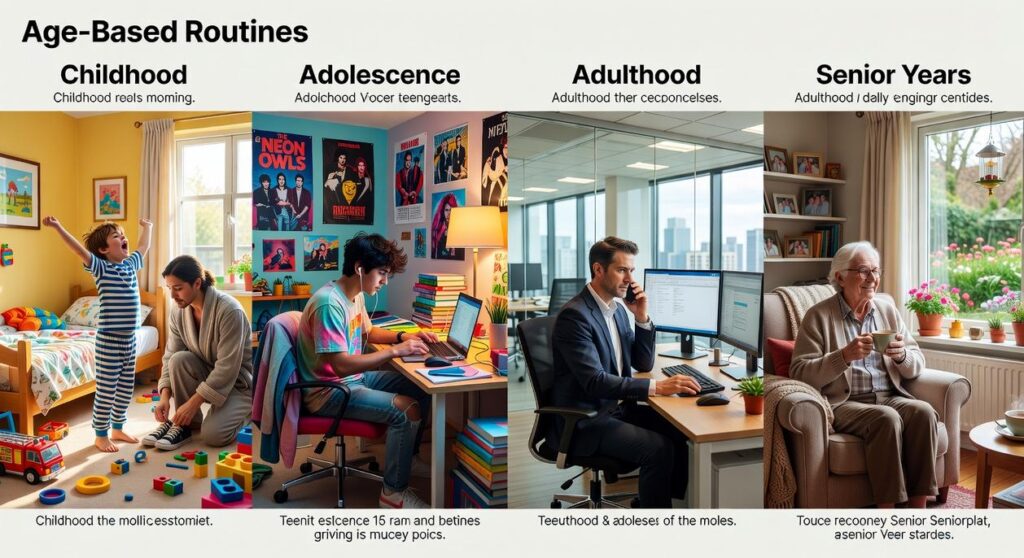
If you’re searching for practical, research-backed ways to support your child’s growth, you’re in the right place. Parenting can feel overwhelming—especially when you’re trying to balance emotional development, learning milestones, and a consistent daily parenting routine that actually works. This article is designed to give you clear, actionable strategies that fit into real family life, not just ideal scenarios.
We’ve carefully reviewed established child development research, early learning frameworks, and proven toddler care approaches to ensure the guidance you’ll find here is both reliable and effective. Whether you’re navigating toddler tantrums, building healthy habits, or encouraging curiosity and independent thinking, you’ll discover step-by-step insights tailored to your child’s developmental stage.
By the end, you’ll have practical tools to create a nurturing environment that supports learning, strengthens your bond, and helps your child thrive—confidently and consistently.
Parental burnout and family chaos rarely happen overnight; they build from endless decisions, repeated power struggles, and days that feel like improv theater. However, when you create a clear, flexible family rhythm, everything shifts. A predictable daily parenting routine gives children security—knowing what comes next lowers anxiety and boosts cooperation, according to child development research from the American Academy of Pediatrics. Meanwhile, you gain fewer arguments, smoother transitions, and more energy for connection. Instead of reacting, you plan. Instead of firefighting, you lead. The payoff? Calmer mornings, easier bedtimes, and space for joy. Pro tip: start small and adjust weekly.
The ‘Why’ Behind the Routine: More Than Just a Schedule
A rigid, clock-based schedule says “Lunch is at 12:00 sharp.” A flexible, event-based routine says, “We eat after we wash our hands.” The difference matters. The goal isn’t perfection—it’s predictability (because toddlers don’t own watches anyway).
When children can anticipate what comes next, they feel safe. That sense of security reduces anxiety, manages expectations, and often prevents meltdowns before they start. Think about how airports display departure times to calm travelers—kids need similar cues in their day.
For parents, a consistent daily parenting routine cuts decision fatigue. Instead of constantly asking, “What now?” you follow a simple flow:
• Wake up → Get dressed → Breakfast
• Play → Snack → Quiet time
• Dinner → Bath → Bed
This structure creates small, predictable pockets of personal time and strengthens teamwork between partners.
Pro tip: Narrate transitions aloud. Over time, children internalize the sequence, building independence and self-regulation—skills that last far beyond toddlerhood.
The 5 Core Pillars of an Unbreakable Daily Routine
1. Identify Your “Anchor Points”
Think of anchor points as the immovable rocks in your day—wake-up time, meals, naps, and bedtime. These are the predictable moments your child’s body clock (their natural sleep-wake rhythm) depends on. Everything else flows around them. When anchor points stay consistent, kids feel secure because they know what’s coming next (cue fewer meltdowns). Some argue strict anchors feel restrictive. Fair. But structure isn’t the enemy of freedom—it’s what makes flexibility possible.
2. Group Activities into “Blocks”
Instead of scheduling every minute, create flexible time blocks:
- Morning Block: breakfast, get dressed, playtime
- Midday Block: lunch, quiet time, errands
- Evening Block: dinner, bath, stories
This block method works like movie scenes rather than timestamps (think less “mission control,” more “Bluey episode flow”). Critics say kids need exact times. Research suggests consistency matters more than precision (American Academy of Pediatrics). Blocks keep your daily parenting routine steady without feeling rigid.
3. Involve Your Child in the Planning
Kids cooperate more when they have ownership. Offer simple choices: “Pajamas before or after brushing teeth?” This builds autonomy—your child’s ability to make age-appropriate decisions. (Yes, toddlers love power. Use it wisely.) Even small choices reduce power struggles dramatically.
4. Make It Visual
Create a simple picture chart showing the day’s flow. Visual schedules help young children process transitions because they “see” what’s next (Harvard Center on the Developing Child). Suddenly, you’re not the villain—it’s just what the chart says. Cue fewer “But I don’t want to!” moments.
5. Implement and Iterate
Start small—bedtime is a great test zone. Once it runs smoothly, build outward. Adjust as your child grows; routines should evolve like your favorite long-running sitcom. For more insight on balancing structure, explore morning vs evening parenting wins what matters most. Pro tip: tweak one variable at a time so you know what actually works.
Sample Routines by Age: A Practical Blueprint
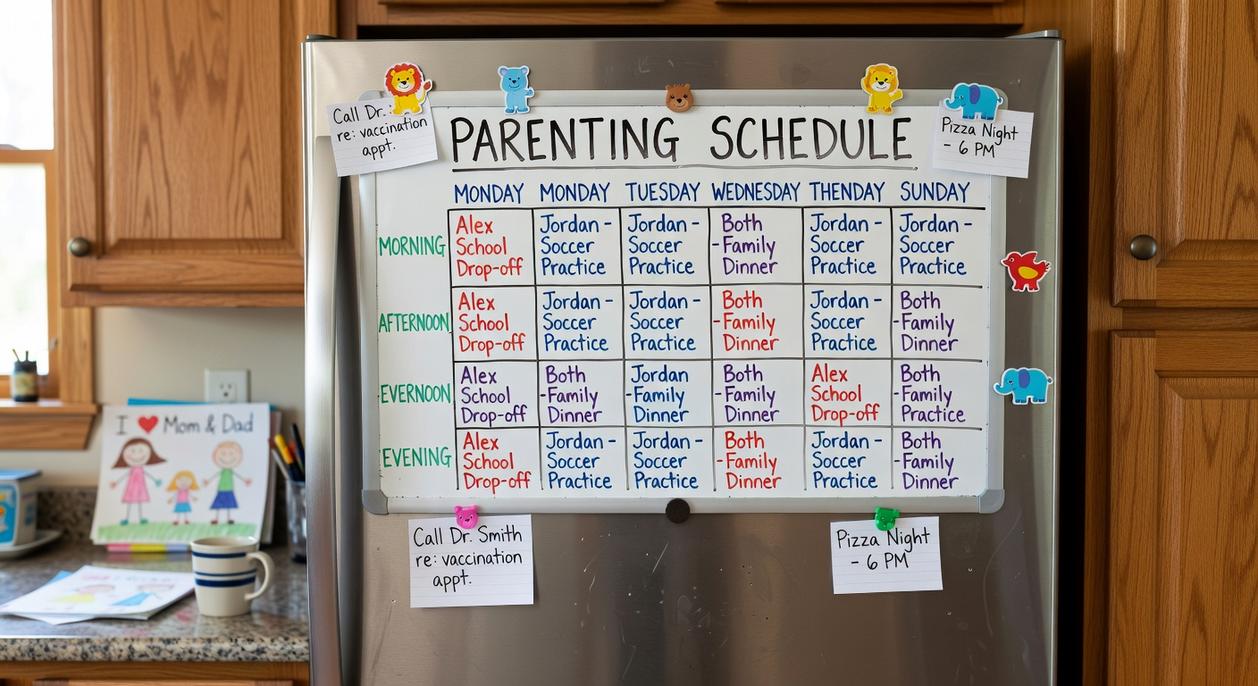
A routine isn’t a rigid timetable. It’s a predictable flow to the day that helps kids feel secure. When parents hear “routine,” they sometimes picture color-coded charts and military precision (which, let’s be honest, sounds exhausting). In reality, it simply means consistent sequences children can count on.
The Toddler Routine (1–3 years)
Toddlers thrive on repetition because their brains are wiring cause and effect. A clear pattern like: Wake -> Diaper/Potty -> Breakfast -> Free Play -> Outing -> Lunch -> Nap -> Snack -> Quiet Activity -> Dinner -> Bath -> Stories -> Bed reduces meltdowns. Why? Transitions are hard at this age. Moving slowly and giving warnings (“Five more minutes, then bath”) makes shifts smoother. Think of it as building rails on a staircase—they still climb, but with support.
The Preschooler Routine (3–5 years)
Preschoolers crave independence. Adding small responsibilities—Get Dressed (self), Help with Dinner Prep, Tidy-Up Time—builds autonomy, meaning a child’s sense of capability. Short “Learning Time” (20 minutes) introduces structure without overwhelming attention spans. Quiet Time replaces naps for many kids, offering rest without forcing sleep. It’s structure with flexibility, not boot camp.
The School-Age Routine (6+ years)
Now the challenge is balance. School, homework, and play compete for time. A predictable order—Snack & Decompression Time before Homework—prevents burnout. “Decompression” simply means a mental reset after school demands. Screen Time works best after responsibilities are done (yes, they’ll argue otherwise).
No two families follow the same daily parenting routine. The goal isn’t perfection; it’s rhythm. When kids know what’s next, cooperation rises—and chaos quiets.
Navigating Common Routine Roadblocks
When your child resists, acknowledge their feelings while holding the boundary. Say, “I know you want to keep playing, and it’s time for dinner now. We can play more tomorrow.” After three weeks of practicing this daily parenting routine, parents notice protests shorten. Re-evaluate whether the schedule fits their energy and hunger rhythms.
- Sick days or travel plans happen.
Give yourself permission to pause expectations and focus on comfort and connection. Last winter, one rough flu week taught countless families rest restores cooperation faster than rigid rules.
One chaotic day won’t undo progress. Reset tomorrow.
Last year, our mornings felt like a reality show nobody signed up for—spilled cereal, missing shoes, frayed nerves. I remember standing in the kitchen thinking, this cannot be sustainable. Then we tried a flexible, event-based rhythm instead of a rigid schedule. First, we anchored wake-up and bedtime. Next, we grouped the in-between into simple activity blocks. Gradually, the power struggles eased. Visual charts helped my kids anticipate what came next (and helped me keep my cool). A daily parenting routine doesn’t trap you; it steadies you. So start small—map tomorrow morning—and build from there. Peace grows through small, steady steps.
Create Calm, Confident Days With the Right Approach
You came here looking for practical ways to better understand your child and build a smoother home life. Now you have strategies to support development, handle toddler challenges, and create meaningful learning moments throughout the day.
Parenting can feel overwhelming when tantrums, power struggles, and constant questions leave you drained. Without structure and insight, even small challenges can turn into daily stress. That’s why building a consistent daily parenting routine is so powerful—it creates security for your child and relief for you.
The next step is simple: start applying one or two of these strategies today and build from there. Small, consistent changes lead to big developmental wins.
If you’re ready to turn chaos into confidence, explore more expert-backed parenting guides designed to simplify your routines and support your child’s growth. Join thousands of parents who trust our proven strategies—start building calmer, happier days now.