
If you’re searching for practical ways to serve healthy meals for picky toddlers, you’re likely tired of food battles, half-eaten plates, and worrying whether your child is getting the nutrients they need. You want realistic strategies that work in real homes—not complicated recipes or advice that ignores how toddlers actually behave.
This article is designed to help you understand why picky eating happens, what’s developmentally normal, and how to confidently introduce balanced foods without pressure or power struggles. We’ll break down proven toddler nutrition principles, simple meal-building frameworks, and gentle techniques that encourage variety over time.
Our guidance is grounded in established child development research and evidence-based feeding approaches recommended by pediatric nutrition experts. By the end, you’ll have clear, actionable steps to make mealtimes calmer, more nutritious, and far less stressful for both you and your toddler.
Turning ‘Yuck’ into ‘Yum’: A Guide for Parents of Selective Eaters
Mealtimes can feel like battlegrounds. “I hate broccoli!” your child shouts, and you sigh. You’re not alone. The real challenge is ensuring they get vital nutrients without daily standoffs. So, what works? Child development experts emphasize, “Pressure backfires.” Instead, focus on patience, playful presentation, and praise. For example, try plates or invite them to help cook. Gradually, exposures build familiarity. Even offering healthy meals for picky toddlers in portions can spark curiosity. As one parent said, “When I stopped fighting, she started tasting.” Ultimately, consistency transforms resistance into acceptance.
The psychology of a picky eater can feel confusing, but most food battles have clear, normal roots. One common reason is neophobia, which simply means a fear of new things. For toddlers, unfamiliar foods can trigger caution because their brains are wired to notice potential danger. Another factor is a growing need for independence. Saying “no” to broccoli is often less about taste and more about CONTROL.
Sensory sensitivities also play a big role. Texture, smell, color, or even the way food is arranged can feel overwhelming. A mushy banana might seem harmless, yet to a sensitive child it feels unbearable.
• Neophobia is developmentally typical.
• Sensory overload is real, not drama.
This phase is usually NORMAL and temporary, even when it tests your patience. Understanding the “why” makes offering healthy meals for picky toddlers less stressful and more empathetic. When parents respond with calm curiosity, children feel safe.
The Art of the Hidden Veggie: Boosting Nutrition Without a Fight
“I don’t like green stuff,” my toddler announced, arms crossed like a tiny food critic. Sound familiar?
Here’s the secret: sometimes the best veggie victories are invisible.
1. Blend It Smooth
Mild vegetables like spinach or cauliflower disappear beautifully into fruit smoothies. Spinach has a neutral taste when paired with banana and berries (USDA notes spinach is rich in iron and vitamin K). Say, “It’s a superhero smoothie,” and watch them sip. They don’t need to know the cape is green.
2. Grate and Integrate
Finely grated carrots or zucchini melt into pasta sauces, meatballs, or burger patties. One parent told me, “He ate three meatballs and asked for more—had no clue there was zucchini inside.” The moisture even improves texture (pro tip: squeeze excess water from zucchini first).
3. Puree with a Purpose
Butternut squash or sweet potato purees make creamy bases for mac and cheese or pancake batter. Sweet potatoes are high in beta-carotene, which supports eye health (NIH). Stir it in, add familiar cheese, and serve.
Some argue kids should “see and learn” to love vegetables. Fair point. But when you’re aiming for healthy meals for picky toddlers, progress sometimes starts undercover. Think of it as nutritional diplomacy.
Deconstructed Dinners: Empowering Kids with Choice
Deconstructed dinners—also called “build-your-own” meals—separate ingredients instead of mixing them together. Instead of a fully assembled dish, each component is served on its own. As a result, kids can choose what (and how much) goes on their plate. That small shift gives children a sense of control, which often reduces mealtime resistance.
For example, try a taco or burrito bowl bar. Place seasoned ground meat, rice, beans, shredded cheese, and mild salsa in individual bowls. Then let your child assemble their own bowl. The feature is simple—separate ingredients—but the benefit is powerful: autonomy lowers overwhelm and encourages tasting (because nobody likes surprises hidden under sauce).
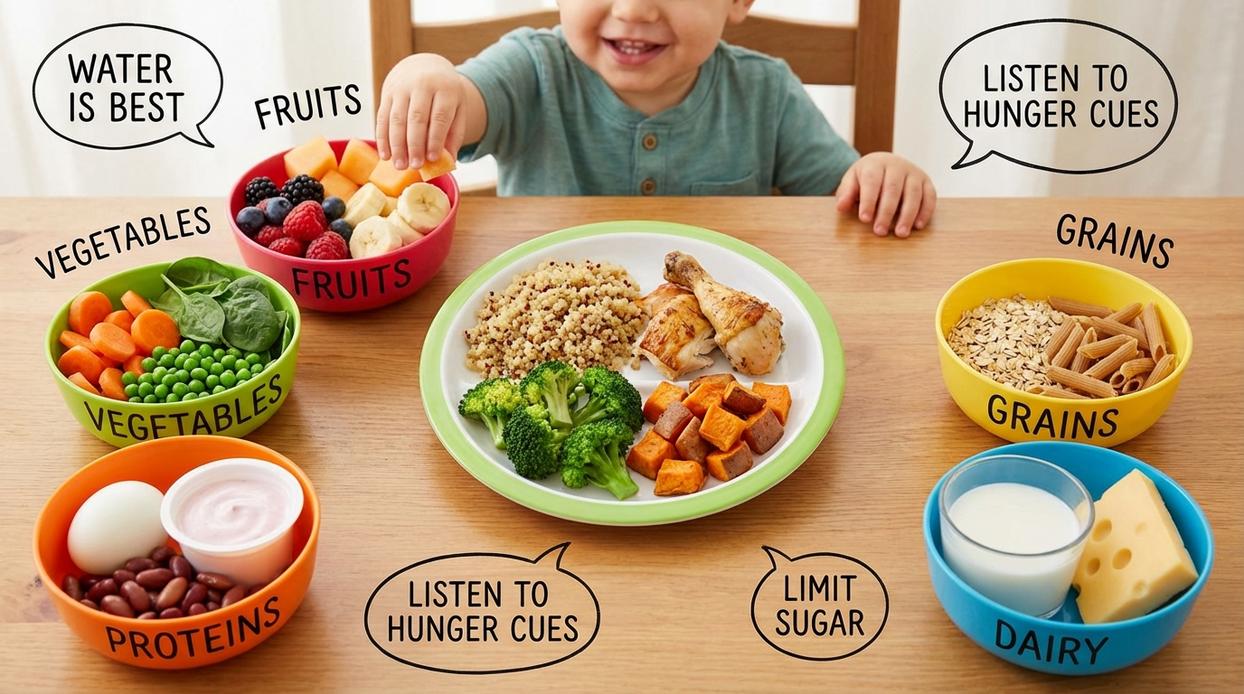
Similarly, a “snack plate” dinner works well for healthy meals for picky toddlers. Use a divided plate with cubed cheese, whole-grain crackers, turkey slices, cucumber sticks, and berries. The clear sections visually organize food, making it feel manageable rather than intimidating.
Importantly, this method pairs a familiar “safe” food with something new—without pressure. Over time, repeated exposure builds comfort and curiosity. In the same way you approach milestones like potty training basics when and how to start, patience and consistency make all the difference.
I still remember the afternoon my toddler pushed away a perfectly balanced lunch and declared it “yucky.” Same ingredients, different day—total rejection. That’s when I learned presentation isn’t fluff; it’s strategy. In other words, how food looks can matter just as much as how it tastes.
First, use cookie cutters to transform sandwiches, cheese slices, or fruit into stars and hearts. A star-shaped turkey sandwich suddenly feels like a treat (even though it’s the same sandwich).
Next, arrange food into a smiley face or simple animal. Blueberry eyes, a banana smile—now the plate feels playful rather than pressured.
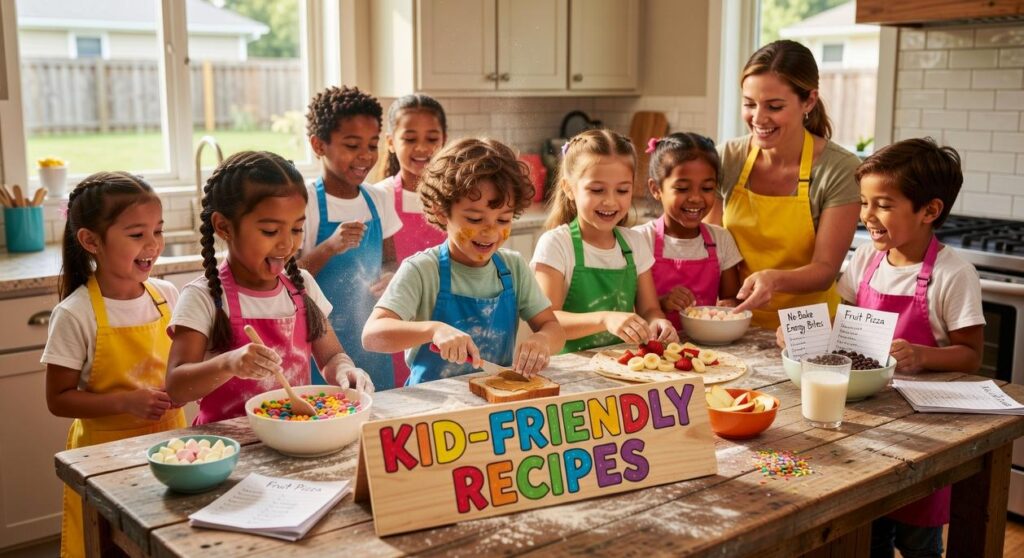
Most importantly, involve your child. Let them stir yogurt, sprinkle cheese, or place toppings. When kids help create healthy meals for picky toddlers, they’re more likely to taste their masterpiece.
Some argue this takes too much time. Fair. But five extra minutes upfront often saves a mealtime standoff later. And honestly, fewer battles at the table? Totally worth it.
Kid-Approved Recipes for Breakfast, Lunch, and Dinner
Feeding toddlers can feel like negotiating with a tiny food critic (who survives on three crackers and vibes). But research shows repeated exposure to balanced meals increases acceptance of new foods by up to 15 exposures (American Academy of Pediatrics). That’s why fun presentation matters.
Breakfast: Volcano Eggs
Cut a hole in whole-grain toast and cook an egg in the center. Add fruit “boulders” on the side.
Why it works:
- Eggs provide high-quality protein essential for growth (USDA).
- Whole grains support digestive health.
The playful name sparks curiosity—when food feels like an adventure, kids are more likely to try it (Journal of Nutrition Education and Behavior).
Lunch: Pinwheel Power-Ups
Spread cream cheese and finely diced turkey on a whole-wheat tortilla, roll, and slice.
Protein plus fiber helps stabilize energy levels, reducing afternoon crashes (Harvard T.H. Chan School of Public Health). These bite-sized spirals also support self-feeding skills.
Dinner: Mini Chicken Meatball Skewers
Serve baked chicken meatballs on skewers with soft carrot coins or mild cheese cubes.
Serving protein with colorful vegetables aligns with healthy meals for picky toddlers and increases vegetable intake when paired with familiar flavors (CDC).
Pro tip: Keep portions small. Studies show toddlers eat more when servings look manageable (Cornell Food Lab).
One Bite at a Time
You now have a toolkit of practical strategies for healthy meals for picky toddlers, from sneaking spinach into smoothies to turning dinner into a colorful taste-test game. The real challenge is the daily stress of wondering whether your child is truly nourished. These methods work because they rely on patience, offering choice, and creating positive food experiences instead of pressure. In simple terms, that means less forcing and more guiding. Pick one new technique this week, and celebrate every small win along your child’s food journey. Progress grows bite by bite. Stay calm and consistent.
Helping Your Picky Toddler Thrive at Mealtime
You came here looking for real, practical ways to handle mealtime battles—and now you have them. From understanding the root of picky eating to creating positive food experiences, you’re better equipped to turn frustration into progress.
The truth is, picky eating isn’t just about food. It’s about control, development, and trust. When your toddler refuses dinner (again), it’s exhausting and discouraging. You worry they’re not getting enough nutrients. You question whether you’re doing it right. That stress is real—and you’re not alone.
By focusing on simple routines, patience, and creative approaches to healthy meals for picky toddlers, you’re setting the stage for long-term healthy habits. Small, consistent steps truly add up.
Now it’s time to take action. Start with one strategy tonight—whether it’s offering a no-pressure bite, involving your child in prep, or reintroducing a previously rejected food in a new way. Thousands of parents rely on our proven, parent-tested strategies to reduce mealtime stress and build confident eaters. Don’t let another dinner end in frustration—explore more expert-backed toddler nutrition tips and start making mealtimes easier today.