Keeping a curious, constantly moving toddler clean can feel like a full-time job. Little ones explore the world with their hands and mouths, which makes consistent hygiene essential for their health—but it can quickly turn into a daily battle. If you’re searching for a simpler way to manage it all, you’re in the right place. This guide draws on real-world parenting experience and trusted child development principles to offer practical solutions that actually work. We’ll walk you through a simple, stress-free toddler hygiene routine that turns everyday care into a fun, predictable part of your child’s day.
Starting the Day Fresh: The Morning Hygiene Checklist
Mornings set the tone for everything that follows (yes, even before coffee). A simple toddler hygiene routine helps children transition from sleepy to ready-for-the-world.
The Wake-Up Reset
Start with a diaper change or potty visit. This clears away overnight bacteria and reduces the risk of irritation or infection (American Academy of Pediatrics). Some parents argue it can wait until after breakfast, especially on slow weekends. But delaying can mean discomfort—and cranky toddlers rarely make for peaceful pancakes.
Face and Hands First
Before breakfast, wash their face and hands with a warm, soft cloth. It’s a gentle sensory cue that the day has begun. Critics say kids will just get messy again while eating. True—but removing nighttime oils and germs lowers the spread of common colds (CDC), which is worth the extra minute.
Tackling Teeth Together
Use a toddler-friendly toothbrush and a tiny smear of fluoride toothpaste. Sing “Twinkle Twinkle” to hit the two-minute mark. Some worry fluoride isn’t necessary for baby teeth. However, the ADA confirms fluoride strengthens enamel and prevents early decay.
Clean Clothes, Clean Start
Fresh clothes prevent yesterday’s germs from lingering and signal a brand-new day (like a costume change for the morning’s adventure).
The Power of Clean Hands: When and How to Wash
First, let’s clarify what “critical moments” actually means. Critical moments are specific times during the day when germs (tiny organisms like bacteria and viruses that can cause illness) are most likely to spread. For kids, that means before every meal or snack, after playing outside, after using the potty, after coming home from an outing, and after coughing or sneezing. Think of these as your non‑negotiables—the golden rules of any solid toddler hygiene routine.
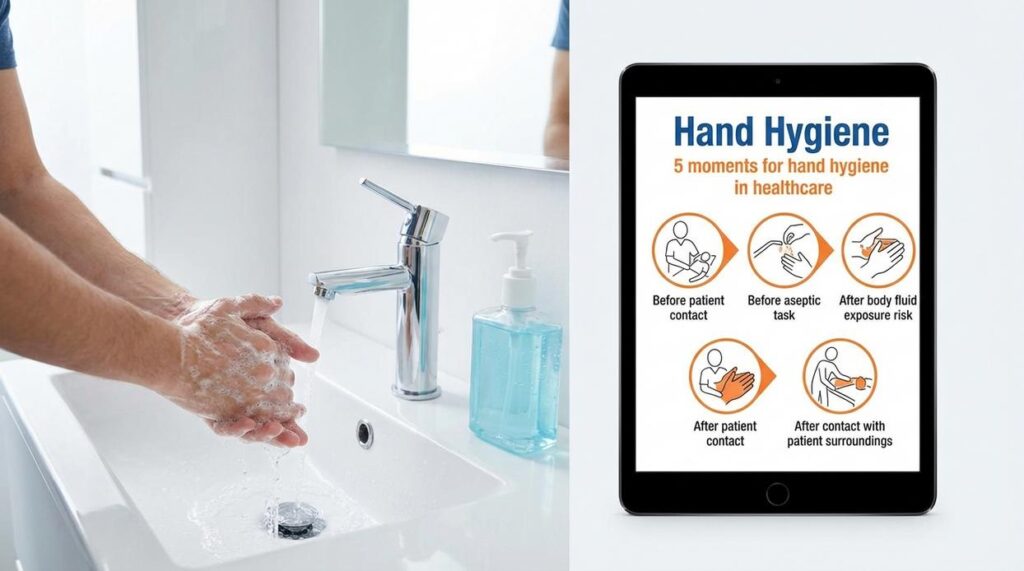
Now, some parents wonder, “Is washing hands really necessary this often?” It can feel repetitive. However, according to the CDC, proper handwashing significantly reduces the spread of respiratory and stomach illnesses. In other words, those extra 20 seconds matter.
So, what does “proper” mean? Simply put, use soap and warm water, scrub all surfaces (front, back, between fingers), and rinse well. Duration is key. Have your child sing the “Happy Birthday” song twice—yes, the same one from parties (channeling their inner pop star helps)—to hit about 20 seconds.
Finally, promote independence. A sturdy step stool and an easy pump dispenser remove barriers. When kids can reach the sink themselves, they’re far more likely to build lasting, healthy habits.
Making a Splash: Turning Bath Time into Fun Time
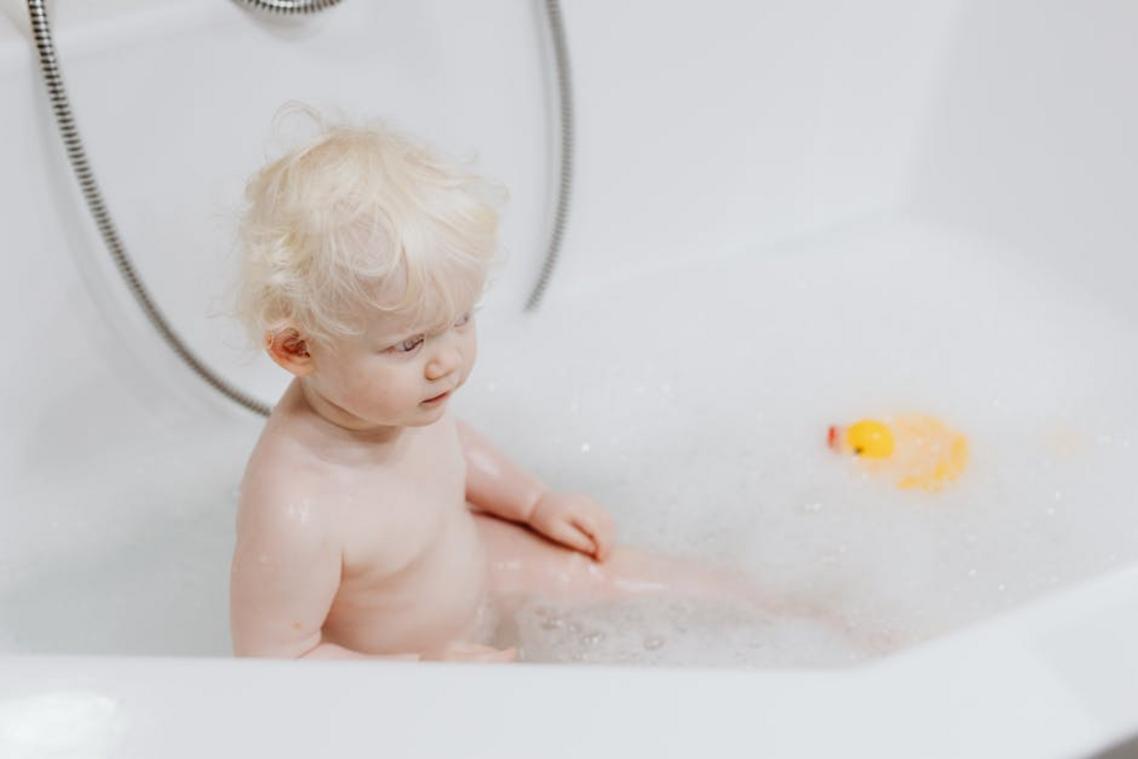
I’ll admit it: I once turned bath time into a nightly showdown. I thought toddlers needed a full scrub every single day. The result? An overtired child, a frazzled parent, and soap in someone’s eye (guess whose). Lesson learned. For most toddlers, 3–4 baths a week is perfectly fine, according to the American Academy of Pediatrics (AAP). Clean doesn’t have to mean constant.
Establish a Predictable Routine
What finally worked was rhythm. Bath, pajamas, book, bed. When kids know what’s coming next, they resist less (most nights). Framing bath time as part of a calm wind-down—not a rushed chore—made it easier. It also pairs beautifully with toddler sleep training methods that are gentle and effective: https://llblogkids.com.co/toddler-sleep-training-methods-that-are-gentle-and-effective/
Safety Is Paramount
Here’s a mistake I’ll never repeat: grabbing a towel from the hall while my toddler sat in shallow water. Even a few seconds is risky. The CDC notes that drowning can happen quickly and silently. Always test water with your wrist or elbow (aim for about 100°F/38°C), gather supplies first, and never leave them unattended.
Focus on Fun, Not Chores
When I stopped saying “time to get clean” and started saying “bubble party,” everything changed. Floating toys, bath crayons, silly foam beards—suddenly it was an adventure. Positive associations stick.
The Cleaning Checklist
Use a gentle, tear-free soap. Teach them the basics while you handle behind ears, neck folds, diaper area, and hair.
Post-Bath Care
Pat dry, moisturize if needed, and trim nails while they’re soft. A consistent toddler hygiene routine builds independence—and fewer battles (for everyone).
Keeping mealtimes relatively mess-free is less about perfection and more about systems. First, the pre-meal ritual matters. Handwashing before eating removes germs (microorganisms that cause illness) and sets a clear boundary: no clean hands, no seat at the table. Over time, this simple rule becomes part of your toddler hygiene routine.
Next, contain the chaos before it starts. Use:
- Full-coverage bibs, preferably with sleeves
- A splat mat under the high chair
- Easy-wipe trays and silicone plates
While some parents argue mess encourages sensory play, that doesn’t mean chaos has to spread across the kitchen. Controlled mess still supports development.
After eating, transition quickly to a post-meal wipe down. A warm, damp cloth on hands and face prevents sticky fingerprints on walls (and pets).
Finally, teach responsibility early. Even toddlers can wipe their tray or carry a plate to the sink. Pro tip: model first—kids imitate faster consistently.
From Daily Tasks to Lifelong Habits
You came here looking for a clear, realistic plan—and now you have a complete, actionable framework for building a toddler hygiene routine that actually works. Keeping a toddler clean can feel relentless, but it doesn’t have to be a daily battle. When you make hygiene predictable, playful, and consistent, you’re not just managing messes—you’re building lifelong habits rooted in health and self-care.
Start small. Implement just one part of this routine today and celebrate the win. Consistency matters more than perfection. Join thousands of parents who’ve transformed chaos into calm—take the first step now and make hygiene time easier starting today.