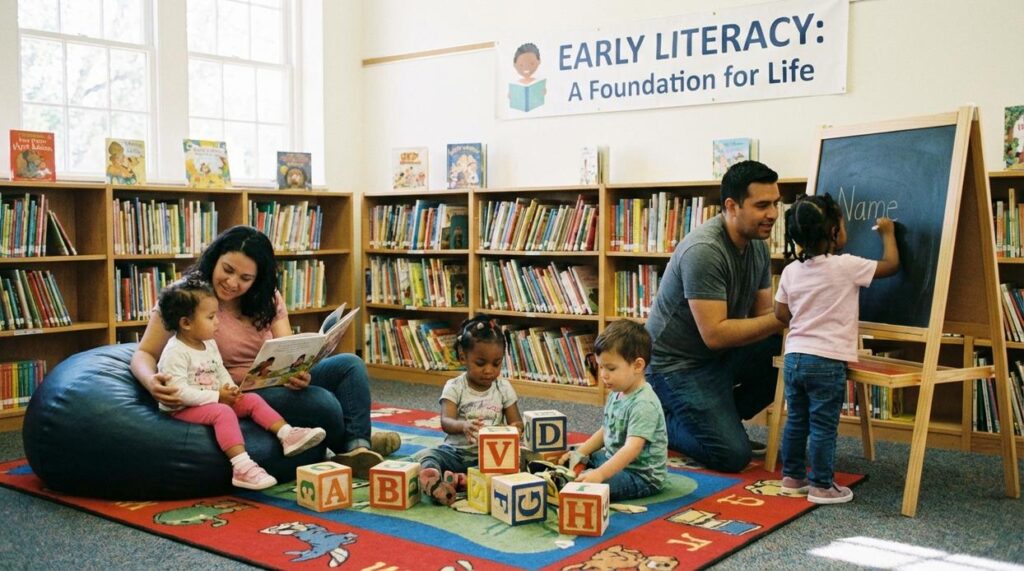

If you’re searching for meaningful ways to support your child’s growth while spending quality time together, you’re in the right place. Parents today want more than quick tips—they want practical, research-backed strategies that truly nurture curiosity, confidence, and healthy development.
This article is designed to help you understand how everyday moments can become powerful learning opportunities, especially through outdoor learning activities for families. From boosting cognitive skills and emotional resilience to strengthening family bonds, we’ll explore how intentional play and exploration can shape young minds in lasting ways.
Our guidance is grounded in established child development research and insights from early childhood education specialists. We focus on proven approaches that support toddlers and young children at every stage of growth.
By the end, you’ll have clear, actionable ideas you can use right away—helping your child learn, explore, and thrive with confidence.
Turn Every Outing into a Learning Adventure
At first, I treated park trips like recess—just burn energy and head home. That was my mistake. Kids sensed the rush, and learning never stuck. Eventually, I realized curiosity needs space.
So instead, try turning walks into field studies. Define observation as noticing; ask kids to spot leaf shapes and compare textures. Meanwhile, practice estimation—guessing—by predicting how many steps to the pond.
Some argue structured prompts ruin spontaneity. However, guidance sparks play (think Dora the Explorer, minus the map shouting). These outdoor learning activities for families build memory, language, and creativity (APA, 2020).
Setting the Stage for Outdoor Discovery
First, build an “Adventure Kit”—a small backpack with a magnifying glass, notebook, pencils, and a few collection jars. I once forgot the notebook and watched my kids lose interest fast (turns out, discoveries feel official when you can record them). Since then, the kit signals it’s time to explore.
Next, mindset matters. Instead of saying, “Let’s go learn about plants,” try, “Let’s go on a mission to find the most interesting leaf in the park!” Framing it as a quest changes everything. However, I’ve learned not to oversell it; when I hyped a “jungle expedition,” a plain playground felt disappointing.
Meanwhile, keep safety simple. Set clear boundaries, point out hazards like poison ivy, and pack water and snacks. I once skipped snacks—big mistake. Meltdowns end missions quickly.
Ultimately, outdoor learning activities for families work best when they’re safe, playful, and flexible. Stay curious together.
Become a Nature Detective: Activities for Young Explorers

Children are natural investigators. The trick is giving them simple tools—and a little direction—to turn curiosity into discovery. The payoff? Sharper observation skills, stronger focus, and a deeper connection to the world right outside your door.
First, try a Five Senses Scavenger Hunt. Create a list with prompts like “find something smooth,” “something rough,” or “something that makes a crunching sound.” This builds sensory awareness (the brain’s ability to process sights, sounds, smells, touch, and taste). As kids compare textures and scents, they strengthen descriptive language and critical thinking. In other words, they’re having fun—but also wiring their brains for better learning.
Next, explore Leaf & Bark Rubbings. Simply place paper over a leaf or tree trunk and rub with crayons. Suddenly, patterns pop out like hidden treasure. Beyond the art, children begin noticing differences in texture and structure—key foundations for scientific observation. (It’s basically CSI: Backyard Edition.)
Then, head out for a Backyard Bug Safari. With a magnifying glass, kids can gently observe ants, beetles, or bees. Explain pollinators—animals that help plants reproduce. Understanding these roles builds empathy for living things and early ecology knowledge. Pro tip: Bring a notebook so kids can sketch what they see.
Finally, try Track Casting. Identify footprints in mud or sand and guess the animal. For a hands-on keepsake, pour plaster to preserve the track. Activities like these turn simple outdoor learning activities for families into confidence-building adventures kids won’t forget.
The World is Your Lab: Simple Outdoor Science
You don’t need a fancy kit to teach science. The backyard, sidewalk, or local park works just fine. In fact, simple outdoor learning activities for families often beat expensive gadgets because kids can SEE concepts in action (and get a little muddy along the way).
Build a Natural Sundial vs. Digital Clock
Stick a twig in the ground, circle it with rocks, and watch how the shadow shifts. This demonstrates Earth’s rotation—the planet spinning on its axis—which creates predictable shadow patterns. Compare that to checking the time on a phone. A digital clock tells time instantly; a sundial shows why time passes. One gives answers. The other builds understanding.
Sink or Float: Guessing vs. Testing
Toss a leaf and a rock into water. Why does one float and the other sink? That’s density—how tightly packed matter is—at work. Some argue kids are too young for physics terms. But using real words builds confidence (they’ll say “buoyancy” like tiny scientists). Testing objects beats guessing every time because it turns curiosity into evidence.
Weather Watch Station: App vs. Observation
A weather app predicts rain. A homemade rain gauge measures it. Mark a jar, tie a ribbon windsock, and log daily notes. Prediction is helpful; observation builds CRITICAL THINKING SKILLS.
Seed Sprouting: Store-Bought Kit vs. Found Seeds
Plant an acorn in a jar with a damp paper towel. Germination—the process of a seed growing—becomes visible. Watching roots form feels more magical than scrolling through a video (though pairing this with beginner coding concepts made simple for kids connects nature and tech nicely).
Art in the Wild invites kids to swap store-bought supplies for nature’s studio. On one hand, nature mandalas use petals, leaves, stones, and twigs to form temporary patterns that highlight symmetry and mindfulness. On the other, sidewalk chalk offers bright color but less texture and sensory depth. Similarly, DIY paintbrushes made from sticks, pine needles, grass, or feathers encourage problem-solving, whereas plastic brushes simply deliver predictable strokes. Meanwhile, story stones turn smooth rocks into narrative prompts, compared with flashcards that often limit imagination. Consider these options:
- Mandalas vs. coloring books: open-ended design versus predefined lines.
- DIY brushes vs. store brushes: experimentation versus uniformity.
- Story stones vs. scripted tales: collaboration versus passive listening.
Ultimately, outdoor learning activities for families blend creativity with fresh air, turning ordinary afternoons into collaborative art sessions. Choose nature, and the canvas becomes the world itself. The mess washes away, but memories linger longer.
Making Memories, One Discovery at a Time
You now have a toolkit of simple, engaging ideas to turn any walk into an adventure. The best part? You don’t need fancy supplies or elaborate plans. Children are naturally curious; when you nurture that spark, learning feels like play (and yes, that means fewer “I’m bored” complaints).
These outdoor learning activities for families build observation skills, creativity, and confidence. Your child gains sharper thinking and a deeper connection to nature. You gain meaningful conversations and shared memories.
Start small. Pick one activity for your next park visit—and watch imagination, focus, and joy grow with every step outside.
Keep Curiosity Growing Every Day
You came here looking for practical ways to support your child’s growth, curiosity, and confidence — and now you have simple, meaningful strategies to make that happen. From nurturing daily routines to encouraging independence and creativity, you’re better equipped to guide your child through these important early years.
Parenting can feel overwhelming, especially when you want to get everything “just right.” The pressure to support development, manage behavior, and create enriching experiences is real. But small, consistent actions — reading together, asking thoughtful questions, and exploring outdoor learning activities for families — truly make a lasting difference.
The next step is simple: choose one new strategy from this guide and put it into practice today. Whether it’s creating a playful learning corner at home or planning more outdoor learning activities for families, start small and stay consistent.
If you’re ready for more expert-backed parenting strategies, toddler care tips, and learning ideas trusted by thousands of families, explore our latest resources now. Discover practical tools designed to make parenting easier and childhood more meaningful — and take the next step toward raising a confident, curious learner today.

 Graciela Robinsonueva writes the kind of child development insights content that people actually send to each other. Not because it's flashy or controversial, but because it's the sort of thing where you read it and immediately think of three people who need to see it. Graciela has a talent for identifying the questions that a lot of people have but haven't quite figured out how to articulate yet — and then answering them properly.
They covers a lot of ground: Child Development Insights, Kids' Blog-Focused Learning Paths, Practical Toddler Care Tips, and plenty of adjacent territory that doesn't always get treated with the same seriousness. The consistency across all of it is a certain kind of respect for the reader. Graciela doesn't assume people are stupid, and they doesn't assume they know everything either. They writes for someone who is genuinely trying to figure something out — because that's usually who's actually reading. That assumption shapes everything from how they structures an explanation to how much background they includes before getting to the point.
Beyond the practical stuff, there's something in Graciela's writing that reflects a real investment in the subject — not performed enthusiasm, but the kind of sustained interest that produces insight over time. They has been paying attention to child development insights long enough that they notices things a more casual observer would miss. That depth shows up in the work in ways that are hard to fake.
Graciela Robinsonueva writes the kind of child development insights content that people actually send to each other. Not because it's flashy or controversial, but because it's the sort of thing where you read it and immediately think of three people who need to see it. Graciela has a talent for identifying the questions that a lot of people have but haven't quite figured out how to articulate yet — and then answering them properly.
They covers a lot of ground: Child Development Insights, Kids' Blog-Focused Learning Paths, Practical Toddler Care Tips, and plenty of adjacent territory that doesn't always get treated with the same seriousness. The consistency across all of it is a certain kind of respect for the reader. Graciela doesn't assume people are stupid, and they doesn't assume they know everything either. They writes for someone who is genuinely trying to figure something out — because that's usually who's actually reading. That assumption shapes everything from how they structures an explanation to how much background they includes before getting to the point.
Beyond the practical stuff, there's something in Graciela's writing that reflects a real investment in the subject — not performed enthusiasm, but the kind of sustained interest that produces insight over time. They has been paying attention to child development insights long enough that they notices things a more casual observer would miss. That depth shows up in the work in ways that are hard to fake.