
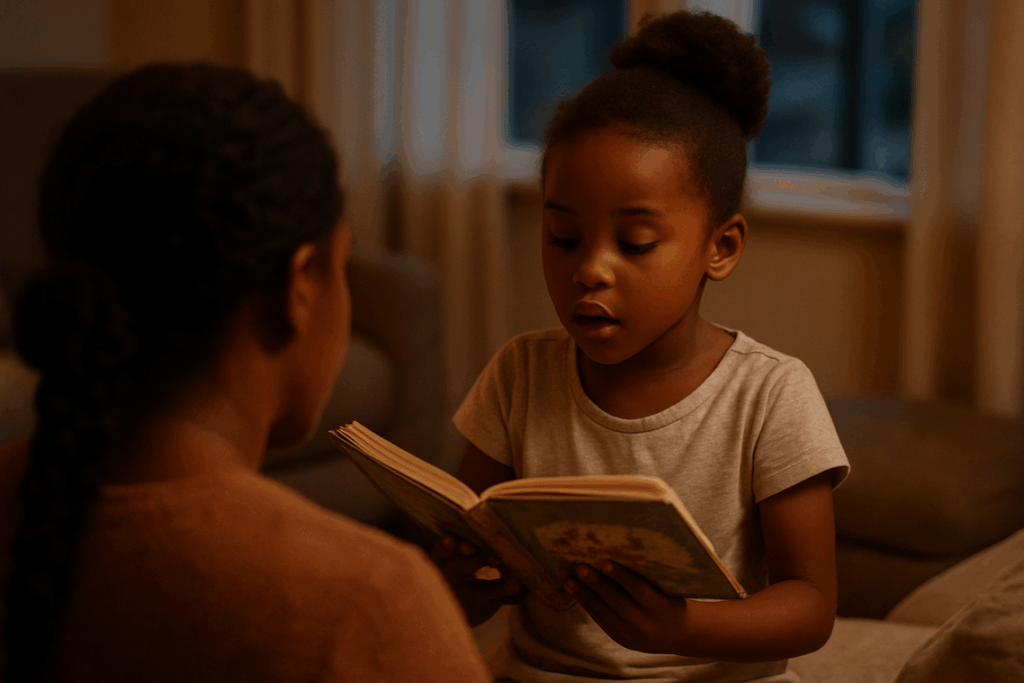
If you’re searching for a simple, effective way to nurture your child’s love for reading, you’re in the right place. Many parents want to build strong literacy skills early but feel unsure about where to start, how much to read, or how to keep their child consistently engaged. This article is designed to solve that problem with a clear, practical roadmap you can follow right away.
We’ll walk you through a structured weekly reading plan for children that supports language development, strengthens comprehension, and keeps learning fun rather than overwhelming. The guidance shared here is grounded in established child development principles and aligns with recommended early learning milestones, ensuring your child’s progress is both meaningful and age-appropriate.
By the end, you’ll have a manageable reading routine, activity ideas to reinforce understanding, and tips to adapt the plan to your child’s pace—so you can confidently support their growth every single week.
Building a Lifelong Love of Reading, One Week at a Time*
By integrating fun themes and engaging stories into your child’s weekly reading plan, you can spark their love for books and make reading a delightful family activity, as outlined in our article “Whatutalkingboutfamily.
Parents know daily reading shapes vocabulary, empathy, and academic success (American Academy of Pediatrics), yet consistency is hard. Without structure, books become another checkbox instead of connection time. And kids can sense that instantly.
This guide offers a weekly reading plan for children that’s flexible, realistic, and rooted in child development research. Some argue rigid plans kill spontaneity. Fair point. But structure actually frees creativity—like knowing the rules before improvising jazz.
| Age Group | Focus | Time |
|---|---|---|
| Toddlers | Rhymes, repetition |
10 mins |
| Preschool | Story questions | 15 mins | |
|---|---|---|---|
| Early Readers | Shared reading | 20 mins | |
| Day | Focus | What It Builds | |
| Monday | Paired reading |
Fluency + modeling |
| Tuesday | Non-fiction picks | Curiosity-driven learning |
| Wednesday | Silly stories | Joy + wordplay |
| Thursday | Character chats | Empathy + comprehension |
| Friday | First chapter reads | Stamina + excitement |
| Weekend | Word hunts | Sight word mastery |
Some argue structured themes make reading feel like homework. I get that. However, in my experience, light structure actually reduces resistance. Kids know what to expect, and routines build security (much like bedtime rituals).
For example, “Why is the sky blue?” turned into a Tuesday deep dive—and suddenly reading felt like a superpower. Pro tip: let their questions lead at least once a week.
In the end, we’re not just raising readers—we’re raising kids who believe they can read.
The Independent Reader’s Week: A Schedule for Older Kids (Ages 8–10)
If there’s one hill I’ll happily stand on, it’s this: kids between 8 and 10 need structured freedom in their reading lives. Not rigid assignments. Not total chaos. A thoughtful weekly reading plan for children gives them both direction and choice—and that balance is where real growth happens.
At this age, 20–30 minutes of independent reading daily builds what educators call reading stamina (the ability to focus on text for sustained periods). According to the National Reading Panel, consistent independent reading strengthens vocabulary and comprehension over time.
Here’s how I’d shape the week:
- Mystery Monday: Whodunits sharpen inference skills (they’re basically tiny detectives).
- Time Travel Tuesday: Historical fiction builds background knowledge, which research shows improves comprehension.
- World-Builder Wednesday: Fantasy and sci‑fi expand imagination and narrative understanding.
- Graphic Novel Thursday: Visual storytelling strengthens sequencing and inference (and yes, it absolutely “counts” as real reading).
- Free Choice Friday: Total autonomy fuels motivation.
- Series Saturday/Sunday: Deep reading builds attachment to characters and long‑term engagement.
Some argue kids should just read whatever they want every day. I disagree. A loose theme adds variety and stretches comfort zones—without killing joy. And joy, in my opinion, is the whole point.
Making the Reading Routine Stick
You now have a flexible blueprint to turn reading from a once-in-a-while activity into a daily moment your child looks forward to. That’s the real win.
A lack of structure can make starting feel overwhelming (and yes, even choosing a book can feel like a mental marathon). Some parents argue that routines make reading feel forced or academic. That’s a fair concern. But structure doesn’t have to mean rigidity. A themed approach simply removes decision fatigue and makes showing up easier.
Think of your weekly reading plan for children as a creative guide—not a rulebook carved in stone. As your child grows, swap themes, increase complexity, or let them take the lead.
What’s next?
- Start with one or two themed days.
- Let your child help pick the books.
- Track consistency, not perfection.
Over time, you’ll likely wonder how to deepen comprehension or expand genres—that’s a great sign. It means reading has become synonymous with curiosity, comfort, and discovery.
Helping Your Child Thrive Through Consistent Reading Habits
You came here looking for a practical, stress-free way to build stronger reading habits for your child—and now you have a clear path forward. From choosing age-appropriate books to creating consistent routines, you understand how small, daily efforts can spark big developmental gains.
The real challenge wasn’t just finding books. It was figuring out how to stay consistent, keep your child engaged, and turn reading into something they genuinely look forward to. When reading feels overwhelming or unstructured, it’s easy for both parents and children to lose momentum.
That’s why creating a weekly reading plan for children is such a powerful step. It removes the guesswork, builds confidence, and nurtures curiosity in a way that feels natural and fun.
Now it’s time to take action. Start building your weekly reading plan for children today and commit to just 15–20 minutes of focused reading time each day. Families who follow structured reading routines consistently see stronger vocabulary, better focus, and improved comprehension skills.
Don’t let inconsistency hold your child back. Put a simple plan in place, stay consistent, and watch their confidence grow page by page. Start this week—and make reading a habit that shapes their future.