
Parenting in today’s fast-changing world can feel overwhelming. You want to support your child’s growth, nurture their curiosity, and make the right choices for their development—but with so much conflicting advice online, it’s hard to know what truly works. This article is designed to give you clear, practical parenting strategies, evidence-based child development insights, and realistic toddler care tips you can confidently apply at home.
We’ve reviewed current child development research, consulted guidance from early childhood education experts, and analyzed proven learning frameworks to ensure the information you’re about to read is both trustworthy and actionable. Whether you’re exploring daily routines, positive behavior approaches, or structured methods like project based learning for kids, you’ll find guidance tailored to support curious young minds at every stage.
By the end, you’ll have a clearer roadmap for fostering independence, creativity, and lifelong learning—without second-guessing every decision along the way.
Beyond the Screen: Why Active Learning Shapes Curious Minds
Picture this: one child glazed over by a tablet, another stacking blocks into a wobbly tower. Both are learning—but only one is testing gravity, balance, and patience in real time. Traditional lessons deliver information; hands-on experiences build understanding. When children manipulate materials, ask questions, and solve tangible problems, neural pathways strengthen (yes, messy play counts). That’s the power of active learning. It looks like science experiments at the kitchen table, storytelling with puppets, or project based learning for kids that turns curiosity into outcomes. Here’s how to begin at home confidently.
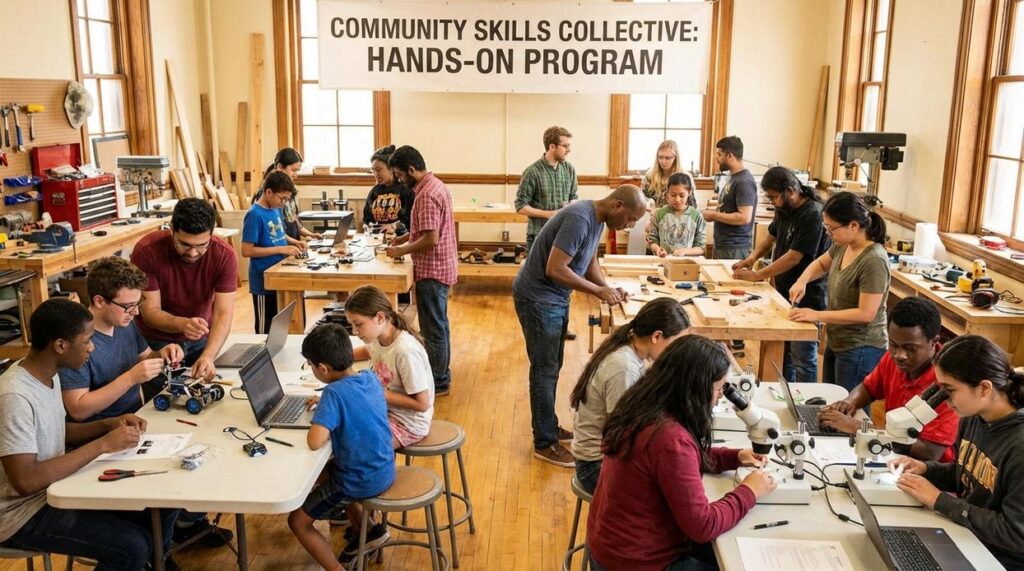
What does “hands-on learning” actually mean? Most people picture glitter-covered crafts directed by adults. That’s part of it, but it’s not the core. True hands-on learning is child-led exploration, where curiosity drives the activity and adults act as guides, not directors. In project based learning for kids, children investigate real questions and build understanding through doing.
Key characteristics matter. First, sensory engagement: kids learn through touch, sight, sound, and movement. Think water tables, music, or mud kitchens (yes, the mess is part of the magic). Second, problem-solving: when a block bridge collapses, they test, adjust, and try again instead of waiting for rescue. Third, process over product: the learning happens during experimentation, not in a Pinterest-perfect result. Exploration beats perfection. Finally, real-world connection: gardening introduces biology, cooking reveals chemistry, and budgeting lemonade sales hints at math.
Some educators argue children need more direct instruction, and they’re not entirely wrong. Research on discovery learning is debated, and I don’t claim it’s a cure-all. But studies suggest active engagement improves retention and critical thinking (National Training Laboratories, 2018?). When done thoughtfully, it balances guidance with independence, which may be the real sweet spot. And sometimes, we are still learning. Together. Always.
A Parent’s Checklist: 5 Signs of a Great Hands-On Program
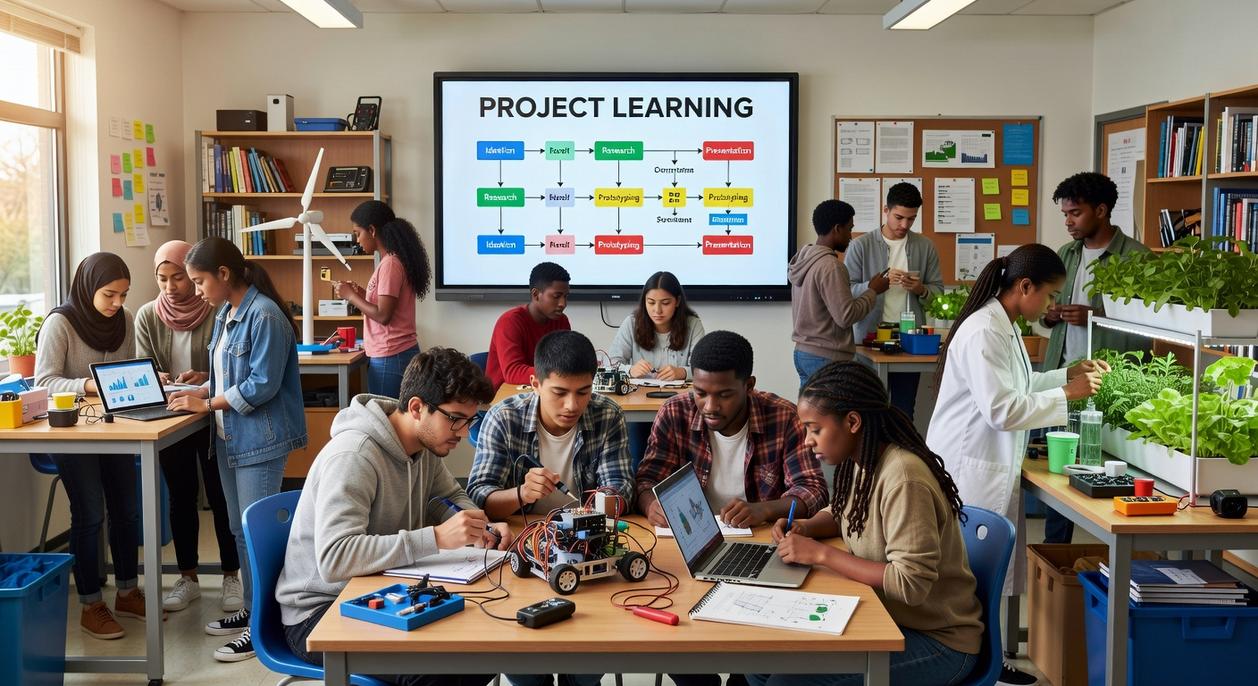
Choosing the right learning environment can feel overwhelming. However, when you know what to look for, the benefits for your child become crystal clear.
1. A Child-Centric Environment
First, notice the space itself. A strong program is safe, accessible, and filled with open-ended materials like blocks, clay, costumes, and art supplies. Unlike single-use toys (the kind that light up and do all the work), open-ended materials invite creativity and problem-solving. The benefit? Your child builds independence and critical thinking skills through active exploration.
2. Teachers as Guides
Next, observe the facilitator. Instead of lecturing, great educators ask questions like, “What do you think will happen if…?” This approach strengthens reasoning and confidence. Rather than memorizing answers, children learn how to think (a skill that pays off far beyond preschool).
3. Child-Led Inquiry
In high-quality programs, children’s interests shape the curriculum. If your child loves bugs, lessons might include drawing insects, reading about habitats, or counting plastic ants. This style—often seen in project based learning for kids—boosts engagement and deeper understanding because learning feels personal.
4. Collaboration Opportunities
Additionally, small-group work helps children practice sharing, negotiating, and solving problems together. These social skills improve emotional intelligence and prepare them for real-world teamwork.
5. Observation Over Testing
Finally, progress is tracked through observation and portfolios, not standardized tests. This provides a fuller picture of growth, giving you meaningful insight into your child’s development rather than a single score.
Hands-On Activities That Spark Joy and Development
Children learn best by doing—but what they do should match how they grow. A sensory bin for a toddler isn’t the same as a science experiment for a preschooler (and that’s a good thing).
For Toddlers (Ages 1–3): Simple and Sensory-Rich
At this stage, learning is physical. Toddlers explore with their hands, mouths, and endless curiosity.
- Sensory Bins: Fill containers with water, sand, or dried pasta. The what is simple materials. The why is powerful: sensory exploration (using touch, sight, and sound to understand the world) builds fine motor skills and neural connections (Harvard Center on the Developing Child). Scooping and pouring also strengthen hand muscles for future writing.
- Building and Stacking: Blocks teach cause-and-effect (knock it down, it falls), spatial awareness (how objects fit in space), and basic physics concepts like balance and gravity. Toddler blocks vs. flashy electronic toys? Blocks win for open-ended creativity every time.
For Preschoolers (Ages 3–5): Multi-Step Discovery
Preschoolers crave “big kid” challenges.
- Simple Science Experiments: The classic baking soda and vinegar volcano demonstrates chemical reactions (an interaction that creates a new substance—here, carbon dioxide gas). It’s messy, memorable, and far more engaging than watching a video about it.
- Nature Exploration: Try a scavenger hunt—find something smooth, something green, something that flies. This builds observation skills, classification (grouping similar items), and environmental awareness.
Compared side-by-side, toddler play builds foundational skills, while preschool activities layer in reasoning and prediction. Both align beautifully with project based learning for kids, where curiosity drives outcomes.
For balanced literacy alongside hands-on play, explore how to create a weekly reading plan for kids. (Because yes, volcanoes and books can coexist.)
Create a Learning-Rich Space
Start with the “Invitation to Play.” Before your child wakes, set out a simple tray: paper, crayons, and a few buttons to sort. This ready-to-go setup signals exploration (like a tiny museum exhibit). Next, USE EVERYDAY OBJECTS. Cardboard boxes become rocket ships; wooden spoons turn into drumsticks; old clothes spark dress-up stories. This is project based learning for kids in action.
Finally, ROTATE AND REFRESH. Store half the toys, swap weekly, and notice renewed focus. Fewer choices often mean deeper play. Pro tip: observe quietly before stepping in. Small tweaks create BIG learning moments at home.
True learning begins when children touch, build, and experiment. The most effective educational programs empower them to create rather than simply consume. Yet many parents still wrestle with screens and passive entertainment, searching for experiences that truly engage. That’s where hands-on exploration stands apart. Unlike generic worksheets, project based learning for kids connects curiosity to real-world problem-solving, from building backyard birdhouses to designing mini science experiments. As a result, children develop critical thinking, creativity, and resilience (yes, even when the tower falls). Pro tip: start small this week with one tactile activity, then observe how quickly natural curiosity comes alive.
Helping Your Child Thrive Through Meaningful Learning
You came here looking for practical ways to support your child’s growth, curiosity, and confidence. Now you have clear strategies to nurture development at home, guide learning in everyday moments, and turn simple activities into powerful skill-building experiences.
Parenting can feel overwhelming when you’re unsure if you’re doing enough. You want to know your child is building strong thinking skills, emotional resilience, and a genuine love of learning. The good news? With the right approach—especially through project based learning for kids—you can transform ordinary days into rich opportunities for discovery and growth.
The next step is simple: start small. Choose one hands-on project this week, follow your child’s interests, and let them explore, ask questions, and create solutions. Consistency matters more than perfection.
If you want trusted, practical parenting strategies that make learning engaging and stress-free, explore more of our expert-backed guides today. Thousands of parents rely on our proven insights to support their child’s development with confidence. Dive in now and give your child the strong, curious start they deserve.

 Graciela Robinsonueva writes the kind of child development insights content that people actually send to each other. Not because it's flashy or controversial, but because it's the sort of thing where you read it and immediately think of three people who need to see it. Graciela has a talent for identifying the questions that a lot of people have but haven't quite figured out how to articulate yet — and then answering them properly.
They covers a lot of ground: Child Development Insights, Kids' Blog-Focused Learning Paths, Practical Toddler Care Tips, and plenty of adjacent territory that doesn't always get treated with the same seriousness. The consistency across all of it is a certain kind of respect for the reader. Graciela doesn't assume people are stupid, and they doesn't assume they know everything either. They writes for someone who is genuinely trying to figure something out — because that's usually who's actually reading. That assumption shapes everything from how they structures an explanation to how much background they includes before getting to the point.
Beyond the practical stuff, there's something in Graciela's writing that reflects a real investment in the subject — not performed enthusiasm, but the kind of sustained interest that produces insight over time. They has been paying attention to child development insights long enough that they notices things a more casual observer would miss. That depth shows up in the work in ways that are hard to fake.
Graciela Robinsonueva writes the kind of child development insights content that people actually send to each other. Not because it's flashy or controversial, but because it's the sort of thing where you read it and immediately think of three people who need to see it. Graciela has a talent for identifying the questions that a lot of people have but haven't quite figured out how to articulate yet — and then answering them properly.
They covers a lot of ground: Child Development Insights, Kids' Blog-Focused Learning Paths, Practical Toddler Care Tips, and plenty of adjacent territory that doesn't always get treated with the same seriousness. The consistency across all of it is a certain kind of respect for the reader. Graciela doesn't assume people are stupid, and they doesn't assume they know everything either. They writes for someone who is genuinely trying to figure something out — because that's usually who's actually reading. That assumption shapes everything from how they structures an explanation to how much background they includes before getting to the point.
Beyond the practical stuff, there's something in Graciela's writing that reflects a real investment in the subject — not performed enthusiasm, but the kind of sustained interest that produces insight over time. They has been paying attention to child development insights long enough that they notices things a more casual observer would miss. That depth shows up in the work in ways that are hard to fake.