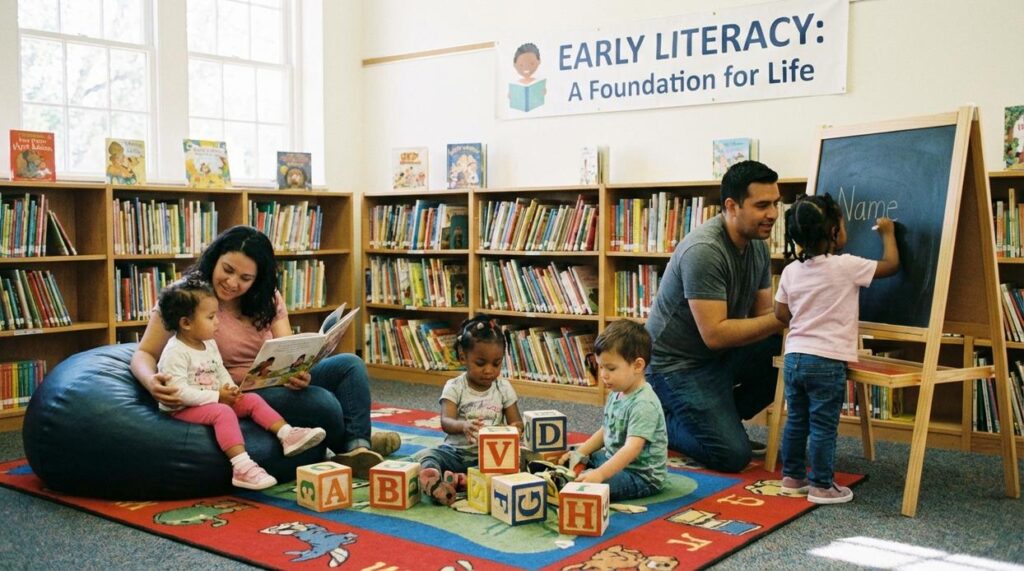
If you’re searching for meaningful ways to support your child’s growth, curiosity, and confidence, you’re in the right place. Parents today want more than quick tips—they want practical, research-backed strategies that truly nurture development at every stage. This article is designed to give you exactly that: clear guidance on parenting approaches, child development milestones, toddler care essentials, and engaging learning paths that fit naturally into everyday life.
We’ve carefully reviewed established child development research and widely recommended parenting practices to ensure the insights shared here are both reliable and actionable. From building emotional resilience to encouraging independence and creativity, you’ll discover tools that make a real difference.
Whether you’re exploring structured routines, play-based learning, or outdoor learning activities for children, this guide will help you make informed decisions that support your child’s healthy development—while making the journey more joyful for both of you.
Screen time is easy. Fresh air takes effort. But which actually sticks?
Many parents feel the tug-of-war: tablets keep kids quiet, yet curiosity fades. This guide solves that by showing how to turn ordinary yards into living laboratories using outdoor learning activities for children.
Think A vs B:
- SCREEN TIME: passive swipes, instant rewards, short attention spans.
- OUTDOOR EXPLORATION: bug hunts, cloud mapping, hands-on questions that spark real understanding.
Both entertain. Only one builds resilience, problem-solving, and sensory awareness (yes, dirt included).
These are simple, low-cost ideas you can try today—because the best classroom doesn’t need walls anywhere.
Engaging the Senses: Nature Activities for Toddlers and Preschoolers
Between ages 2–5, a child’s brain forms over a million neural connections per second (Harvard Center on the Developing Child). Sensory play—hands-on experiences that engage touch, sight, and sound—strengthens these connections. In simple terms, sensory play helps wire the brain for language, focus, and problem-solving. Some argue structured flashcards are more “academic.” But research shows young children learn best through active exploration, not passive memorization (AAP). Think less worksheets, more wonder.
Here are three simple outdoor learning activities for children that build real skills:
-
Activity 1: The Texture Hunt
Guide your child to find a smooth stone, rough bark, or soft moss. Encourage descriptive words like bumpy, scratchy, slippery, or fuzzy. Expanding vocabulary during tactile (touch-based) exploration strengthens language pathways and sensory processing. Pro tip: Model comparisons—“This rock feels smoother than that one.” -
Activity 2: Sound Mapping
Sit quietly. Close your eyes. Ask, “What do you hear?” Identify direction and source—birds above, wind behind, a car far away. This builds auditory discrimination (the ability to tell sounds apart) and focus. If they giggle, that’s fine—attention grows with practice. -
Activity 3: Nature’s Color Palette
Bring paint swatches or colored blocks outside. Match them to leaves, soil, flowers, or insects. This reinforces color recognition and sharpens observation skills.
What’s next? Try rotating activities weekly to deepen attention spans—and watch curiosity bloom.
Backyard Science: Sparking Curiosity in Young Explorers
Back in 2020, when many families spent months closer to home, parents rediscovered something powerful: the backyard can feel like a living laboratory. For children ages 6–9, simple discoveries made over a single afternoon can spark interests that last for years.
Activity 1 – The Mini-Beast Safari
Hand your child a magnifying glass (a tool that makes tiny objects look bigger) and a small notebook. Set a 20-minute “safari” timer and search for ants, beetles, or ladybugs. Encourage them to sketch what they see and note colors, leg counts, or behaviors.
For extended observation, create a simple “bug hotel” using a small container with air holes, twigs, and leaves. Observe briefly, then release the insects where you found them. This introduces biology (the study of living things) and ecology (how living things interact with their environment). Some critics argue that collecting bugs disrupts nature. That’s fair—so keep observation short and gentle. Respect is part of the lesson.
Pro tip: After one week of short observations, ask your child what patterns they noticed. Scientists call this identifying trends.
Activity 2 – Leaf & Bark Rubbings
Place a leaf under paper and rub the side of a crayon across it. Like magic (but actually plant science), veins appear. These veins transport water and nutrients—a concept from botany, the study of plants. Bark rubbings reveal tree texture, helping with identification. Some may say this is just art. True—but it’s also early scientific observation disguised as fun.
Activity 3 – The Weather Watcher’s Journal
Create a daily log with space to draw clouds, record temperature, and design a wind symbol. Over two weeks, children practice meteorology (the study of weather) and data collection—recording information over time.
These outdoor learning activities for children build curiosity step by step. And if your child enjoys patterns and tracking, you might also explore beginner coding concepts made simple for kids to extend that analytical thinking indoors.
Unleashing Creativity: Art and Storytelling in the Wild
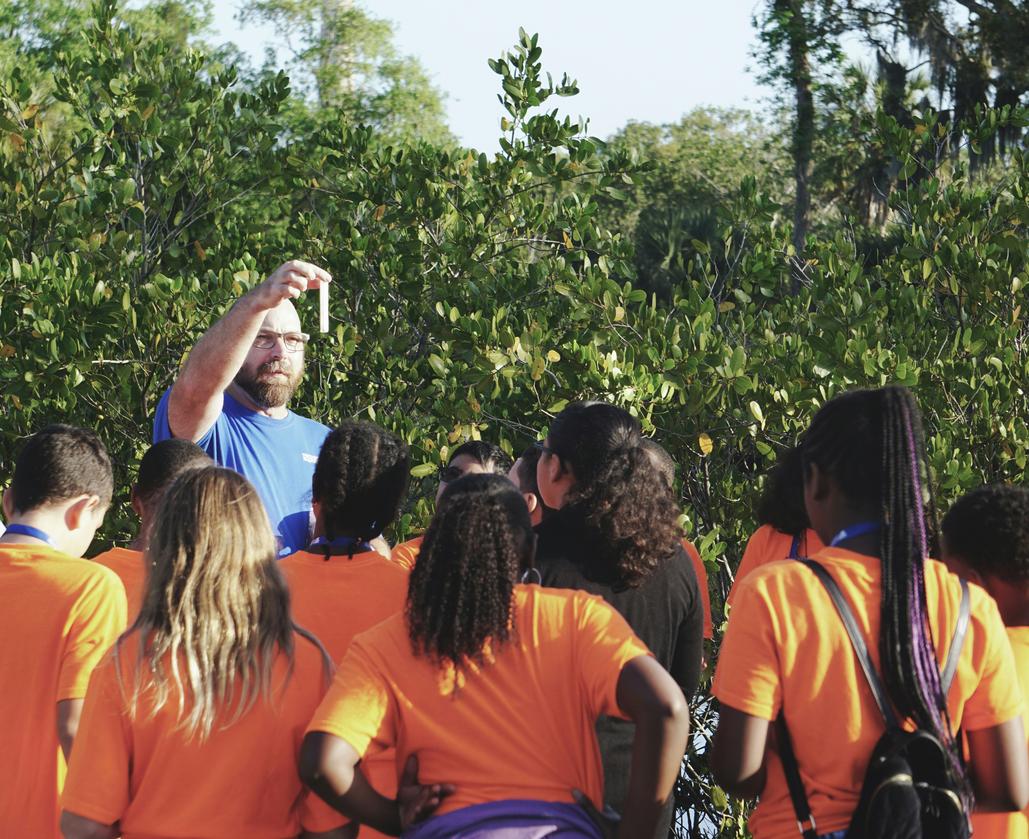
Nature is the ultimate art studio—open 24/7, no batteries required. When children step outside, they gain more than fresh air; they build creativity, resilience, and confidence through hands-on discovery.
Activity 1 – Building Impermanent Structures
Using fallen twigs, leaves, moss, and pebbles, children can design fairy houses, gnome homes, or tiny forts for toys. Impermanent structures (creations meant to be temporary) teach flexibility and problem-solving. If a wall tumbles, they rethink the design (future engineers in action). The benefit? Stronger spatial awareness, early engineering skills, and imaginative play that turns a stick pile into an enchanted village.
Activity 2 – Creating Nature Mandalas
A mandala is a circular, symmetrical design. Arrange petals, stones, leaves, and pinecones into repeating patterns. This calming activity builds focus and introduces mathematical concepts like symmetry and sequencing. The payoff is powerful: reduced stress, sharper observation skills, and a sense of accomplishment from transforming simple materials into meaningful art (think tiny outdoor gallery opening).
Activity 3 – Journey Sticks & Story Stones
For a Journey Stick, children tie найден treasures to a walking stick using string—each item marking a memory. Story Stones involve painting simple images on flat rocks to use as story prompts. Both boost narrative thinking, vocabulary, and recall. The reward? Stronger literacy skills wrapped in adventure.
These outdoor learning activities for children blend movement, mindfulness, and imagination—proving the wild isn’t just a playground; it’s a classroom full of possibility.
Making Outdoor Learning a Lifelong Habit
The outdoors is the most powerful, accessible, and free classroom we have. In my view, nothing sparks curiosity faster than fresh air and muddy shoes. outdoor learning activities for children prove that learning doesn’t need Wi-Fi to work. They counter passive screen time with active discovery (and fewer glazed-over eyes).
Simple, intentional moments transform an ordinary walk into a memory.
• Ask questions about what you see
• Follow their interests
Pick one idea this weekend and try it. Make nature exploration a family rhythm, not a rare event. Starting today, just step outside.
Helping Your Child Thrive Starts Today
You came here looking for practical ways to support your child’s growth, curiosity, and confidence. Now you have clear strategies to nurture development, strengthen daily routines, and make learning a natural part of everyday life.
Parenting can feel overwhelming—especially when you’re unsure if you’re doing “enough.” The truth is, small, consistent actions make the biggest difference. Whether it’s encouraging independence, supporting emotional regulation, or creating meaningful outdoor learning activities for children, every intentional step builds a stronger foundation for your child’s future.
The next step is simple: choose one strategy from this guide and put it into practice today. Don’t wait for the perfect moment—your child’s growth is happening right now.
If you want trusted, research-backed parenting tips that make child development easier and more rewarding, explore more of our proven resources designed for modern families. Join thousands of parents who rely on our expert guidance—start building a brighter learning path for your child today.

 Ronna Fisheroda writes the kind of child development insights content that people actually send to each other. Not because it's flashy or controversial, but because it's the sort of thing where you read it and immediately think of three people who need to see it. Ronna has a talent for identifying the questions that a lot of people have but haven't quite figured out how to articulate yet — and then answering them properly.
They covers a lot of ground: Child Development Insights, Practical Toddler Care Tips, Kids' Blog-Focused Learning Paths, and plenty of adjacent territory that doesn't always get treated with the same seriousness. The consistency across all of it is a certain kind of respect for the reader. Ronna doesn't assume people are stupid, and they doesn't assume they know everything either. They writes for someone who is genuinely trying to figure something out — because that's usually who's actually reading. That assumption shapes everything from how they structures an explanation to how much background they includes before getting to the point.
Beyond the practical stuff, there's something in Ronna's writing that reflects a real investment in the subject — not performed enthusiasm, but the kind of sustained interest that produces insight over time. They has been paying attention to child development insights long enough that they notices things a more casual observer would miss. That depth shows up in the work in ways that are hard to fake.
Ronna Fisheroda writes the kind of child development insights content that people actually send to each other. Not because it's flashy or controversial, but because it's the sort of thing where you read it and immediately think of three people who need to see it. Ronna has a talent for identifying the questions that a lot of people have but haven't quite figured out how to articulate yet — and then answering them properly.
They covers a lot of ground: Child Development Insights, Practical Toddler Care Tips, Kids' Blog-Focused Learning Paths, and plenty of adjacent territory that doesn't always get treated with the same seriousness. The consistency across all of it is a certain kind of respect for the reader. Ronna doesn't assume people are stupid, and they doesn't assume they know everything either. They writes for someone who is genuinely trying to figure something out — because that's usually who's actually reading. That assumption shapes everything from how they structures an explanation to how much background they includes before getting to the point.
Beyond the practical stuff, there's something in Ronna's writing that reflects a real investment in the subject — not performed enthusiasm, but the kind of sustained interest that produces insight over time. They has been paying attention to child development insights long enough that they notices things a more casual observer would miss. That depth shows up in the work in ways that are hard to fake.