
If you’re searching for practical, research-backed guidance on helping your little one sleep better, you’re in the right place. Sleep struggles can leave both toddlers and parents exhausted, frustrated, and unsure of what actually works. This article is designed to cut through the noise and give you clear, actionable insights into toddler sleep training methods that support healthy development and calmer nights.
We focus on strategies grounded in established child development principles and recommendations commonly supported by pediatric experts. You’ll learn how different approaches work, when to use them, and how to adapt them to your child’s temperament and routine. Whether you’re dealing with bedtime resistance, night wakings, or inconsistent naps, this guide will help you make confident, informed decisions that align with your parenting style and your toddler’s needs.
Crafting the Perfect Sleep Sanctuary: The Role of Environment
I used to think my toddler’s sleep struggles were about routine alone. I tried every schedule tweak before realizing the room itself was the problem. Once I focused on environment, everything changed.
Darkness is Key
Melatonin—the hormone that signals sleep—rises in the dark (National Sleep Foundation). Even small light leaks can disrupt it. Blackout curtains helped us create consistent darkness year-round. If the room looks like noon at 7 p.m., your toddler’s brain will believe it.
Consistent Soundscape
A white noise machine masks sudden household sounds. We made the mistake of changing volume nightly. Big error. Consistency matters.
- Keep the same sound
- Keep the same volume
Predictability builds security.
Cool and Comfortable
Experts recommend 68–72°F (20–22°C) for optimal sleep (Sleep Foundation). Breathable pajamas or sleep sacks are safer than loose blankets. Overheating led to more wake-ups in our home.
The Bed is for Sleep
Using the crib for play confused my toddler. Now it’s sleep-only. This strengthens positive associations, especially when using toddler sleep training methods.
If bedtime battles continue, also review nutrition patterns like healthy toddler meal ideas for picky eaters.
Sometimes the fix isn’t more effort—it’s a better environment.
The Unshakeable Power of a Bedtime Routine
A few years ago, I remember standing outside my toddler’s bedroom, completely exhausted, wondering why bedtime felt like a nightly marathon. Then we tried something simple: the same steps, in the same order, every single night. Within a week, the chaos softened. That’s the power of routine.
Why Routines Work
Predictability gives toddlers a sense of security—the feeling that their world is safe and manageable. When events happen in a consistent sequence, their brains start to associate those steps with sleep. In psychology, this is called a sleep cue, meaning an action that signals the body it’s time to wind down. Just like adults feel sleepy after dimming the lights or reading a book, toddlers respond to patterns (even if they pretend they don’t).
Some parents argue that strict routines feel rigid. I used to think that, too. But structure isn’t about control—it’s about comfort. In fact, many toddler sleep training methods emphasize consistency for this exact reason.
The “Last Hour” Blueprint
Here’s a simple 5-step flow that worked in our house:
- Warm bath
- Pajamas on
- Brush teeth
- Read two books
- Sing one song
That’s it. No negotiations. No bonus rounds.
Keep It Calm and Connected
Meanwhile, avoid screens or roughhousing during this hour. Blue light can delay melatonin production (Harvard Health Publishing), and rowdy play revs them up like they’re auditioning for a toddler version of WWE. Instead, focus on closeness—reading, cuddling, soft voices.
The Final “Goodnight”
Finally, make tuck-in loving but brief. A hug. A kiss. “I love you. See you in the morning.” Then leave confidently. Long goodbyes often increase anxiety (even if it feels kinder to linger). Pro tip: confidence is contagious. If you believe bedtime is safe, they eventually will too.
Navigating Night-Time Wake-Ups with Confidence
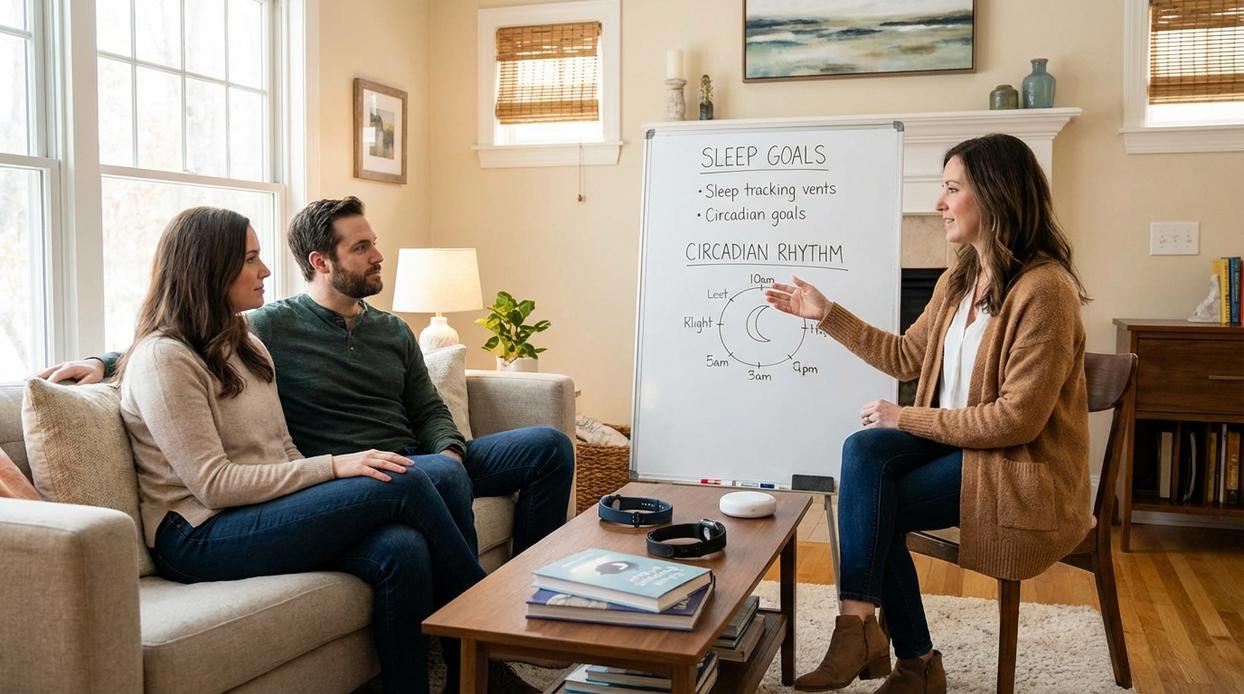
Night-time wake-ups can feel endless; however, the real goal isn’t silence—it’s self-soothing. In other words, you’re helping your toddler build the skill and confidence to fall back asleep independently. While some argue that comforting a child immediately is more nurturing, research shows that brief pauses allow children to practice regulation skills linked to better long-term sleep outcomes (American Academy of Pediatrics).
So what does that look like in practice?
- The “Check and Console” Method. First, wait a few minutes before entering. Then keep the interaction brief and boring—no bright lights, no picking up. Offer a simple phrase like, “It’s sleep time. I love you.” Leave calmly. (Yes, it can feel robotic—but that’s the point.)
- Staying in Their Room. For toddlers in beds, use the “Silent Return” technique. Each time they get up, calmly and silently walk them back without conversation. Repeat as many times as it takes.
- Consistency is Non-Negotiable. Switching between firmness and letting them into your bed confuses expectations and prolongs wake-ups.
Many toddler sleep training methods overlook this behavioral clarity. Done consistently, these steps reduce protest cycles and build genuine nighttime confidence.
Troubleshooting Common Toddler Sleep Hurdles
Is bedtime suddenly feeling like a nightly marathon?
Nap transitions are often the first culprit. If your toddler fights a nap for two weeks straight, takes forever to fall asleep, or starts waking early, they may be ready to drop one. When that happens, shift bedtime EARLIER to prevent overtiredness (yes, earlier can mean longer sleep).
Sleep regressions are another common bump. Teething, illness, or big developmental leaps can temporarily disrupt rest. This is NORMAL. The key? Stick with your established routine and toddler sleep training methods instead of reinventing the wheel.
Fear of the dark creeping in? Try this:
- Use a dim, red-toned night light (less disruptive to melatonin production, per sleep research from Harvard Health).
- Create “monster spray” with water to give your child control.
Consistency beats panic every time (even when you’re exhausted). PRO TIP: Avoid adding new habits you’ll have to undo later.
As you explore gentle and effective toddler sleep training methods, it’s also important to consider how good nutrition plays a role in your child’s overall well-being and sleep patterns, which you can learn more about in our article on toddler nutrition basics – for more details, check out our Toddler Nutrition Basics: What to Serve and When.
Helping Your Toddler Sleep Better Starts Tonight
You came here looking for real solutions to bedtime battles, night wakings, and the exhaustion that follows. Now you understand how routines, sleep cues, consistency, and age‑appropriate expectations all work together to support healthy rest. Most importantly, you’ve seen how the right toddler sleep training methods can turn stressful nights into calm, predictable evenings.
Lack of sleep doesn’t just leave you tired—it affects your patience, your child’s mood, and the overall peace in your home. The good news? With the right approach, better sleep is absolutely possible.
Now it’s time to take action. Choose one strategy, implement it consistently this week, and track your toddler’s progress. If you’re ready for step‑by‑step guidance trusted by thousands of parents, explore our expert-backed resources and practical sleep plans designed to solve bedtime struggles fast. Start tonight—because restful nights and happier mornings begin with one confident step.

 Graciela Robinsonueva writes the kind of child development insights content that people actually send to each other. Not because it's flashy or controversial, but because it's the sort of thing where you read it and immediately think of three people who need to see it. Graciela has a talent for identifying the questions that a lot of people have but haven't quite figured out how to articulate yet — and then answering them properly.
They covers a lot of ground: Child Development Insights, Kids' Blog-Focused Learning Paths, Practical Toddler Care Tips, and plenty of adjacent territory that doesn't always get treated with the same seriousness. The consistency across all of it is a certain kind of respect for the reader. Graciela doesn't assume people are stupid, and they doesn't assume they know everything either. They writes for someone who is genuinely trying to figure something out — because that's usually who's actually reading. That assumption shapes everything from how they structures an explanation to how much background they includes before getting to the point.
Beyond the practical stuff, there's something in Graciela's writing that reflects a real investment in the subject — not performed enthusiasm, but the kind of sustained interest that produces insight over time. They has been paying attention to child development insights long enough that they notices things a more casual observer would miss. That depth shows up in the work in ways that are hard to fake.
Graciela Robinsonueva writes the kind of child development insights content that people actually send to each other. Not because it's flashy or controversial, but because it's the sort of thing where you read it and immediately think of three people who need to see it. Graciela has a talent for identifying the questions that a lot of people have but haven't quite figured out how to articulate yet — and then answering them properly.
They covers a lot of ground: Child Development Insights, Kids' Blog-Focused Learning Paths, Practical Toddler Care Tips, and plenty of adjacent territory that doesn't always get treated with the same seriousness. The consistency across all of it is a certain kind of respect for the reader. Graciela doesn't assume people are stupid, and they doesn't assume they know everything either. They writes for someone who is genuinely trying to figure something out — because that's usually who's actually reading. That assumption shapes everything from how they structures an explanation to how much background they includes before getting to the point.
Beyond the practical stuff, there's something in Graciela's writing that reflects a real investment in the subject — not performed enthusiasm, but the kind of sustained interest that produces insight over time. They has been paying attention to child development insights long enough that they notices things a more casual observer would miss. That depth shows up in the work in ways that are hard to fake.