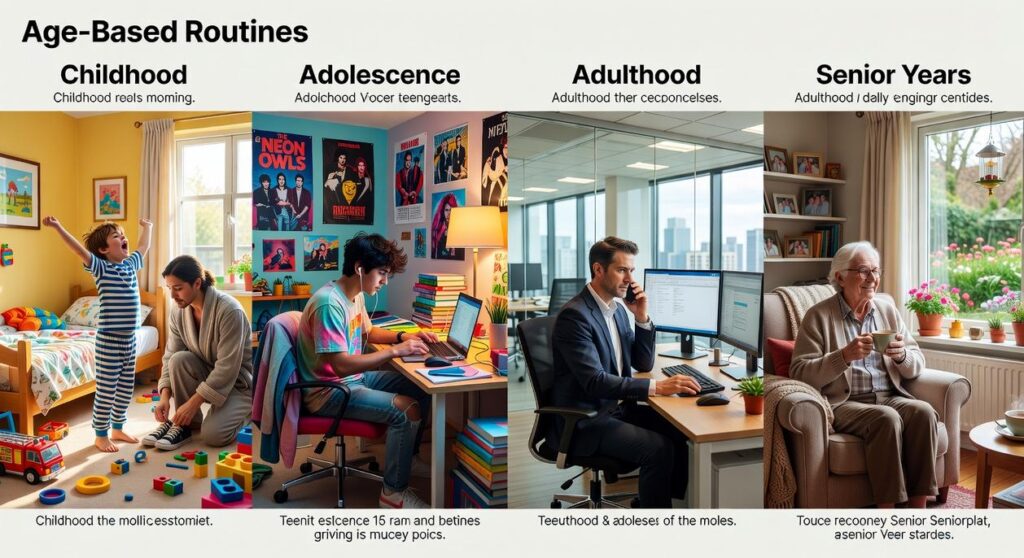

Parenting doesn’t come with a manual—but the right guidance can make every stage feel more manageable and meaningful. If you’re searching for practical parenting strategies, toddler care tips, and clear learning paths to support your child’s development, you’re in the right place. This article is designed to give you actionable insights you can apply right away, whether you’re navigating toddler tantrums, encouraging early learning, or striving for a healthier work life balance for parents.
We’ve drawn on established child development research, guidance from early education specialists, and real-world parenting best practices to ensure the advice you’ll find here is both reliable and realistic. Our goal is simple: help you better understand your child’s growth while equipping you with tools that make daily parenting more confident and less overwhelming. Let’s explore strategies that nurture curious young minds—while supporting you every step of the way.
Some days it feels like you’re being pulled in a dozen directions at once—answering emails while negotiating toddler tantrums and mentally tracking the next school pickup. I believe the myth of a perfect 50/50 split sets parents up to fail. Instead, this guide offers practical, guilt-free strategies for work life balance for parents by building a flexible rhythm. For example, try time-blocking meetings around predictable family needs, then fully unplugging afterward. Admittedly, it’s not seamless. However, with clear boundaries and honest communication, you can reduce stress, feel present, and create a sustainable routine tailored to your family. That truly works.
The idea of “balance” sounds comforting, like a perfectly even scale. But life isn’t a yoga pose you can hold forever. When parents chase a flawless split between career and home, they often end up feeling guilty instead of grounded. The myth is that every day should look equal. It won’t.
A healthier model is work-life integration. Integration means different roles coexist and sometimes overlap. You might answer one urgent email during school pickup, then shut the laptop for bedtime stories. That’s not failure; that’s flow.
Think in seasons. A product launch week may demand longer hours. School holidays may tilt heavily toward family. Instead of obsessing over daily symmetry, track your energy across a month. Ask: Did my family feel supported? Did my work move forward? Balance over time beats balance by Tuesday.
Here’s how to practice it:
- Block focused work sprints and protect them.
- Schedule short, device-free rituals with your kids.
- Review your week every Sunday and adjust.
Most debates about work life balance for parents miss this nuance. The real win is presence. Thirty fully engaged minutes building Lego castles beats two distracted hours (we’ve all been there). When you’re somewhere, be there fully.
Reclaiming Your Calendar: Practical Strategies for the Workplace
As you navigate the daily juggling act of work, home, and kids, consider incorporating activities that not only entertain but also educate, like introducing them to Beginner Coding Concepts Made Simple for Kids, which can turn screen time into a productive and fun experience.
Everyone says, “Just manage your time better.” But time management isn’t the real problem. Attention is. And if you don’t guard it, someone else will book it.
Start with time blocking—a method where you assign specific hours to specific types of work. Schedule focused work blocks (deep, distraction-free effort), communication blocks (email, Slack, meetings), and hard stops for family commitments. A hard stop means non‑negotiable. Not “I’ll just send one more email.” (You won’t.) Research from the University of California, Irvine shows it can take over 20 minutes to refocus after interruptions (Mark et al., 2008). Protecting blocks isn’t dramatic—it’s practical.
Now, here’s the contrarian take: you don’t need to attend every meeting to be seen as committed. In fact, overcommitting signals poor prioritization. Set and communicate clear boundaries. Try: “I’m focusing on deliverables this morning. Can you send an agenda so I can confirm where I add value?” Or, “I’m offline after 5 p.m. for family time, but I’ll respond first thing tomorrow.” Clear beats constantly available.
Next, leverage technology wisely. Automation tools reduce repetitive admin. Shared family calendars prevent double-booking soccer practice. Communication apps streamline logistics and reduce mental load—a hidden tax on work life balance for parents.
Finally, adopt the One Big Thing approach. Identify one crucial professional task and one meaningful family action daily. Progress compounds. (Think less hamster wheel, more steady climb.)
Counterpoint: some argue rigid systems kill flexibility. Fair. But structure creates freedom. When priorities are clear, spontaneity becomes intentional—not accidental.
Creating Connection: How to Maximize Quality Family Time

Strong family bonds rarely happen by accident; instead, they’re built through intentional, repeatable habits. One practical feature to introduce is a “transition ritual.” A transition ritual is a small, consistent action that signals a mental shift from one role to another. For example, changing out of work clothes, playing a specific upbeat song in the driveway, or taking a five-minute breathing pause helps you switch from “work mode” to “parent mode.” This simple cue reduces stress spillover and improves presence at home (American Psychological Association notes that role transitions reduce emotional exhaustion).
At the same time, don’t underestimate “micro-moments.” These are brief, meaningful interactions—like a six-second hug at the door, asking “What made you laugh today?” or reading together for ten minutes. Though small, consistent positive interactions are strongly linked to secure attachment and emotional resilience (Harvard Center on the Developing Child). Think of them as tiny deposits in your child’s emotional bank account.
In addition, involve children in daily routines. Cooking dinner becomes a math lesson when toddlers count carrots, and tidying toys builds executive function skills. While some argue chores slow things down, research shows shared tasks increase competence and family cohesion (University of Minnesota Extension). Pro tip: assign age-appropriate roles—preschoolers stir batter; older kids measure ingredients.
Finally, schedule device-free time. For instance, make dinner or the first hour after work completely unplugged. Although screens feel relaxing, uninterrupted conversation strengthens communication skills and supports work life balance for parents. For more structure, explore how to create a simple daily parenting routine that actually works.
Self-care for parents often gets confused with luxury. In reality, it simply means meeting your own basic needs so you can show up well. Think less spa weekend, more small, repeatable resets. For example, a 15-minute walk, a favorite podcast during dishes, or a quiet cup of tea before the house wakes up all count.
To make it practical:
- Define what refuels you.
- Coordinate a tag-team plan with your partner so each gets uninterrupted time.
- Put it on the calendar like any appointment.
That’s how work life balance for parents becomes realistic, not wishful thinking. Start today.
Building a Sustainable Rhythm for Your Family
Last year, I found myself answering emails during bedtime stories, convinced I was multitasking like a pro. It didn’t feel heroic; it felt exhausting. And honestly, every parent I talk to admits the same overwhelm. True work life balance for parents isn’t a perfect fifty-fifty split; it’s mindful integration and real presence. However, small, intentional shifts change everything. Start with an anecdote about one chaotic morning and notice where a tiny boundary could help. Then choose just one strategy this week. Over time, those modest adjustments replace chaos with a sustainable, fulfilling rhythm.
Helping Your Family Thrive Starts Today
You came here looking for practical, realistic ways to support your child’s growth while managing the daily demands of parenting. Now you have clear strategies to nurture development, encourage learning, and create a calmer, more connected home environment.
Parenting can feel overwhelming—especially when you’re juggling responsibilities, second-guessing decisions, and trying to protect your energy at the same time. The pressure to “do it all” often stands in the way of true work life balance for parents, leaving you stretched thin and unsure if you’re doing enough.
The good news? Small, consistent actions make a powerful difference. When you apply the right toddler care tips, create simple learning routines, and respond intentionally to your child’s needs, you build confidence—not just in them, but in yourself.
If you’re ready to make parenting feel lighter and more purposeful, start implementing one strategy today. Explore more proven parenting insights, practical development guides, and trusted family-focused resources designed to simplify your journey. Thousands of parents rely on these tools to raise confident, curious kids—join them and take the next step toward a more balanced, joyful family life now.