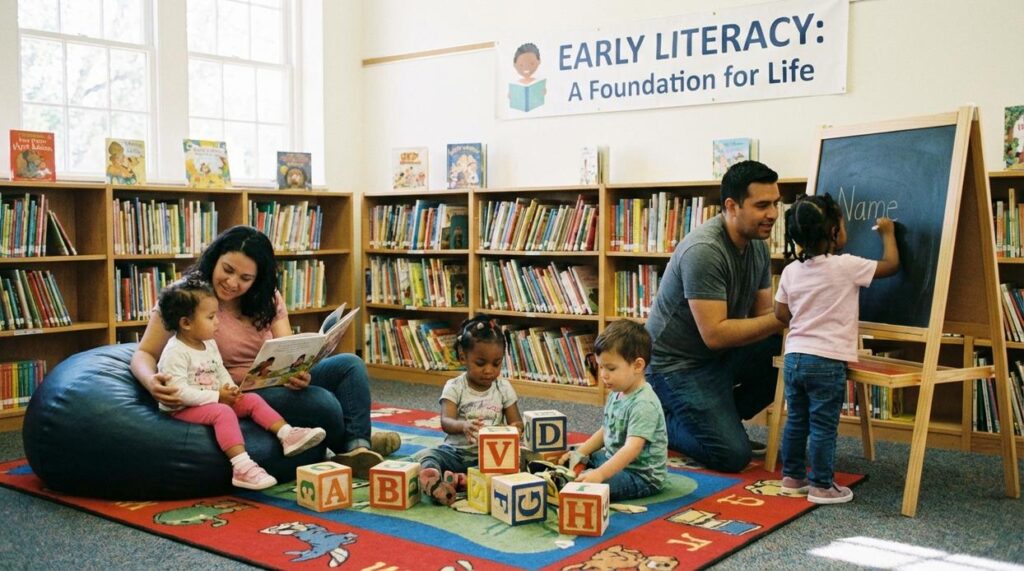
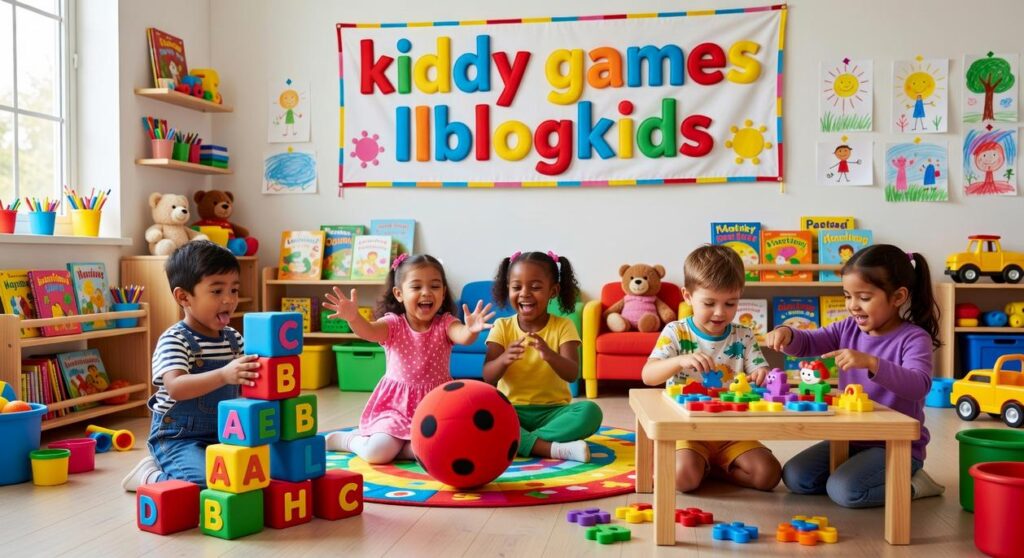
I know what it’s like when your kids are bouncing off the walls and you’ve run out of ideas.
You need games that actually work. Not complicated setups that take an hour to prepare. Not activities that fizzle out in five minutes.
Here’s the thing: the best children’s games don’t require fancy toys or expensive equipment. They just need to match what your kids are ready for right now.
I’ve spent years testing what keeps kids engaged and learning at the same time. Some activities flopped completely (trust me, I’ve had my share of disasters). But the ones that worked? Kids asked to play them again and again.
This guide gives you games and activities that fit different ages and situations. Rainy afternoon indoors? I’ve got you covered. Backyard playtime? You’ll find options here too.
Kiddy games llblogkids focuses on what actually works in real homes with real kids. Not theory. Not what sounds good on paper.
You’ll get a curated list organized by age so you can jump straight to what fits your child. No fluff or filler activities that waste your time.
These are games kids love and parents can set up without losing their minds.
Games & Activities for Toddlers (Ages 1-3)
Your toddler needs to move.
They need to touch things and explore and make a mess (sorry, but it’s true).
I know you’re looking for activities that actually work. Not Pinterest-perfect ideas that end in tears and chaos.
Let me share what I’ve seen work with kids this age.
Indoor Fun
Start with a sensory bin. Fill a shallow container with dry rice or pasta and toss in some safe toys. Your little one will scoop and pour for longer than you’d expect.
Pillow Mountain Adventure is exactly what it sounds like. Pile up every cushion you own and let them climb. It builds those big muscles they need for walking and running.
Color sorting with blocks teaches matching while they play. Just hand them blocks and containers. They’ll figure it out.
Outdoor Exploration
Take them on a nature scavenger hunt. You’re just looking for leaves and smooth rocks. Nothing fancy.
Bubble chase gets them running and laughing. One of you blows bubbles while they pop them.
Water painting is my favorite. Give them a paintbrush and a cup of water. They can “paint” the sidewalk and watch it disappear. (It’s just water, so zero cleanup.)
What You Need to Know
Kids this age put everything in their mouths.
Use taste-safe materials. Rice and pasta are fine. Dried beans? Not so much if they’re small enough to choke on.
Stay close. I mean really close. A one-year-old can get into trouble in the time it takes you to check your phone.
These kiddy games llblogkids activities aren’t about perfection. They’re about giving your toddler safe ways to learn through play.
Some days they’ll love the sensory bin. Other days they’ll dump it everywhere and walk away after two minutes. While engaging in various activities, including the sensory bin that captivates them one day and frustrates them the next, the unpredictability of play is a reminder of the diverse experiences shared by Llblogkids. The ever-changing whims of play, as showcased by the Llblogkids, highlight the beauty of exploration and the joy found in both the mess and the magic of childhood creativity.
That’s normal. You’re doing fine.
Engaging Activities for Preschoolers (Ages 3-5)
Your three-year-old has been bouncing off the walls for an hour.
You’ve tried everything. The TV isn’t cutting it anymore. And honestly, you’re running out of ideas.
Here’s what most parenting blogs won’t tell you.
Some experts say screen time is fine in moderation. They argue that educational apps teach letters and numbers just as well as hands-on activities. And sure, there’s some truth there. A good learning app won’t hurt your kid.
But research from the American Academy of Pediatrics shows that preschoolers learn best through active play and social interaction (not passive watching). Kids ages 3-5 need to move their bodies and use their hands to build those brain connections.
I’m going to show you activities that actually work. Not Pinterest-perfect crafts that take three hours to set up.
Creative Indoor Play That Sparks Imagination
The ‘Build a Fort’ challenge is my go-to when it’s raining. Grab blankets, couch cushions, and chairs. Let your kid create their own space. Studies show that fort-building helps develop spatial reasoning and problem-solving skills.
Try ‘DIY Story Stones’ next. You paint simple characters on smooth rocks (a cat, a tree, a house). Your preschooler picks a few stones and makes up a story. This isn’t just cute. Research from the National Association for the Education of Young Children found that storytelling activities boost language development by up to 40%.
The ‘At-Home Pizzeria’ works every time. Use paper cutouts or real ingredients. Your kid becomes the chef. They practice counting toppings and following simple instructions.
Active Outdoor Games
‘Red Light, Green Light’ teaches impulse control. When researchers at the University of Illinois studied preschoolers who played active games regularly, they found improved attention spans and better classroom behavior.
‘Simon Says’ does the same thing. Your child has to listen carefully and follow directions. It’s sneaky learning disguised as fun.
Set up an ‘Obstacle Course’ using boxes, chairs, and pool noodles. Kids who engage in regular physical challenges show better motor coordination (according to pediatric development studies).
Learning Path
Board games matter more than you think.
‘Chutes and Ladders’ teaches turn-taking and counting. But here’s the real benefit. A 2019 study published in Early Childhood Research Quarterly found that preschoolers who played board games twice a week showed 32% improvement in number recognition compared to those who didn’t.
These activities from llblogkids educational by lovelolablog aren’t complicated. You probably have everything you need already.
The goal isn’t perfection. It’s giving your preschooler chances to explore, move, and learn through play. Because that’s how their brains are wired to grow right now.
Awesome Challenges for Early Elementary Kids (Ages 6-8)
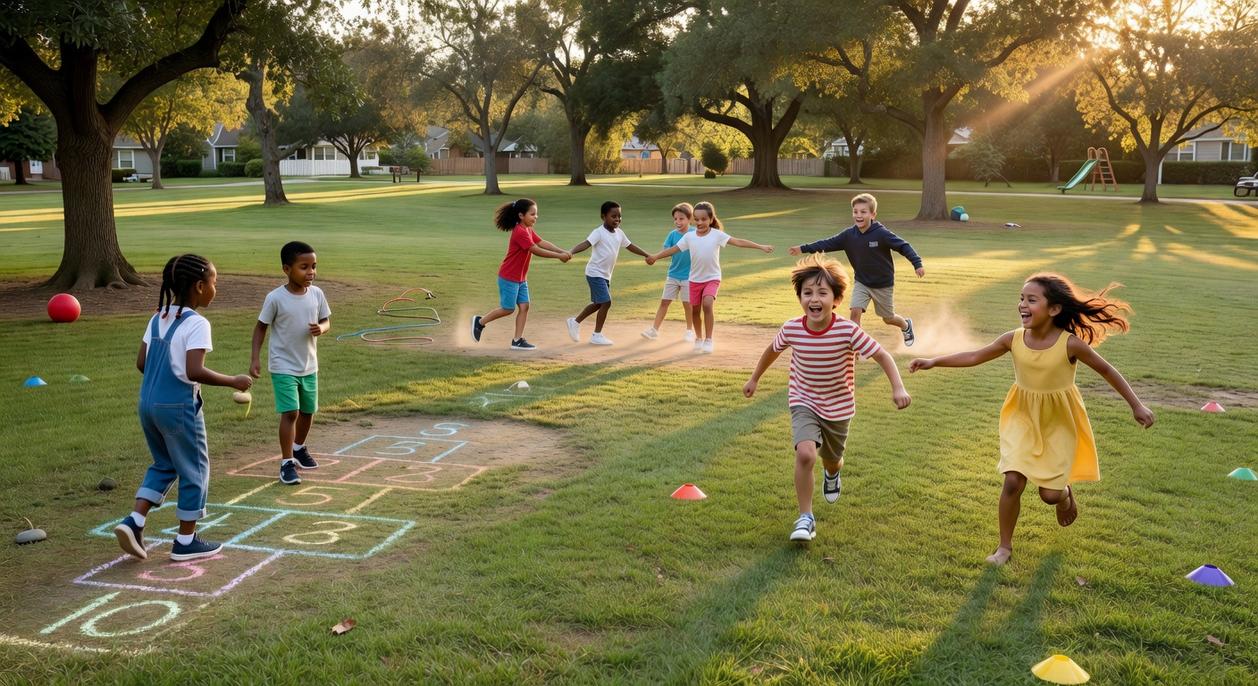
Your kid just turned six and suddenly those toddler games feel way too easy.
I see this all the time. Parents tell me their early elementary kids breeze through simple activities and then complain they’re bored. The coloring books sit untouched. The basic puzzles get solved in minutes.
Here’s what’s really happening.
Your child’s brain is ready for more. They can follow complex rules now. They understand strategy. They want challenges that actually challenge them.
Some parents worry that harder activities will frustrate their kids. They think sticking with simple games keeps everyone happy and builds confidence. And sure, there’s some truth there.
But here’s the problem with that approach.
Kids this age need to stretch their thinking. When everything comes easy, they don’t learn persistence. They don’t figure out how to work through problems or collaborate with others.
I’ve watched hundreds of kids in this age group. The ones who get brain-boosting indoor activities mixed with outdoor adventures? They develop skills that carry them through school and beyond. Incorporating a balanced approach to both creative and physical challenges is essential for Training Llblogkids, as it nurtures their cognitive and social skills, laying a strong foundation for success in school and life. Incorporating a variety of stimulating activities is vital for Training Llblogkids, as it not only enhances their cognitive abilities but also fosters teamwork and resilience that will benefit them in all areas of life.
Let me break down what works.
Indoor vs Outdoor: Which Matters More?
Indoor challenges build different skills than outdoor ones. A DIY escape room with simple puzzles teaches logical thinking. Your kid has to connect clues and work backwards from the solution (which is basically how math works, by the way).
Compare that to backyard Olympics with long jump and beanbag toss. Those build physical coordination and friendly competition.
You need both. Indoor activities develop strategic thinking. Outdoor adventures burn energy and teach spatial awareness.
Structured Games vs Creative Play
Here’s where parents get confused. Should you focus on games with clear rules or open-ended creative stuff? Training Advice Llblogkids is where I take this idea even further.
Strategy games like checkers teach planning ahead. Your kid learns that moving one piece affects everything else on the board. Card games like Go Fish build memory and pattern recognition.
But creative challenges like writing and performing a short play? That’s where imagination explodes. Kids learn storytelling, public speaking, and how to work with others toward a goal.
The best approach uses kiddy games llblogkids principles. Mix structured rule-based games with creative open-ended projects.
Try a Lego building challenge with a specific theme one day. Set up a map-making adventure of your backyard the next. Then throw in classic hide-and-seek because sometimes kids just need to run around and laugh.
Pro tip: Rotate between solo challenges and group activities. Some kids need quiet thinking time before they’re ready to collaborate.
The magic happens when you match the activity to what your child needs that day. Restless and bouncy? Head outside for backyard Olympics. Rainy afternoon? Break out the escape room puzzles.
Your six to eight year old can handle way more than you think. Give them challenges that make them think, move, and create.
They’ll surprise you every time.
Tips for Making Any Activity a Success
Preparation is Key
I always set up before my kids even know what’s happening.
Paints out. Paper ready. Snacks within reach (because someone will get hungry halfway through).
You know what kills a good activity faster than anything? Stopping to hunt for scissors while your toddler dumps glue on the couch.
Focus on Process, Not Perfection
Here’s my take. The mess is the point.
I see parents stress about their kid’s craft looking Instagram-worthy. But your three-year-old doesn’t care if their painting looks like a blob. They care that they got to squish paint between their fingers.
Let them explore. Let them mix every color into brown. That’s where the real learning happens, not in some perfect final product.
Know When to Stop
I’ve learned to watch for the signs. Wandering eyes. Whining. Suddenly needing to use the bathroom for the third time.
When training llblogkids, I realized that pushing through when they’re done just makes everyone miserable. Some days we spend five minutes on an activity. Other days we go for an hour. In my journey of training with Llblogkids Educational by Lovelolablog, I’ve learned that flexibility is key, as some days we embrace quick, engaging activities while other days allow for deeper exploration, all while ensuring the kids remain excited and eager to learn. In my journey of training with Llblogkids Educational by Lovelolablog, I’ve discovered that embracing a flexible approach not only enhances the learning experience but also fosters a more positive environment for everyone involved.
Be ready to pivot. Have a backup plan or just call it and move on to free play.
(And yes, sometimes that backup plan is screen time. We’re all doing our best here.)
A Playbook for Endless Fun and Learning
You now have a full arsenal of games and activities ready to go.
No more scrambling when your child asks what’s next. You’ve got options that fit their age and keep them engaged.
I know the struggle. Finding fun activities that don’t break the bank is real for every parent.
This list works because it’s organized by developmental stage. You can pick something that fits right now and know it’ll be a hit.
The activities here spark creativity without requiring a ton of supplies or prep time. That’s what makes them practical for everyday life.
Here’s what to do next: Pick one activity from this list to try this week. Watch how your child lights up when they’re truly engaged.
You’ll see their creativity come to life. And you’ll have proof that simple activities can create the biggest moments.
kiddy games llblogkids gives you the tools to make parenting a little easier and a lot more fun.
Start with one activity. See what happens. Then come back and try another.