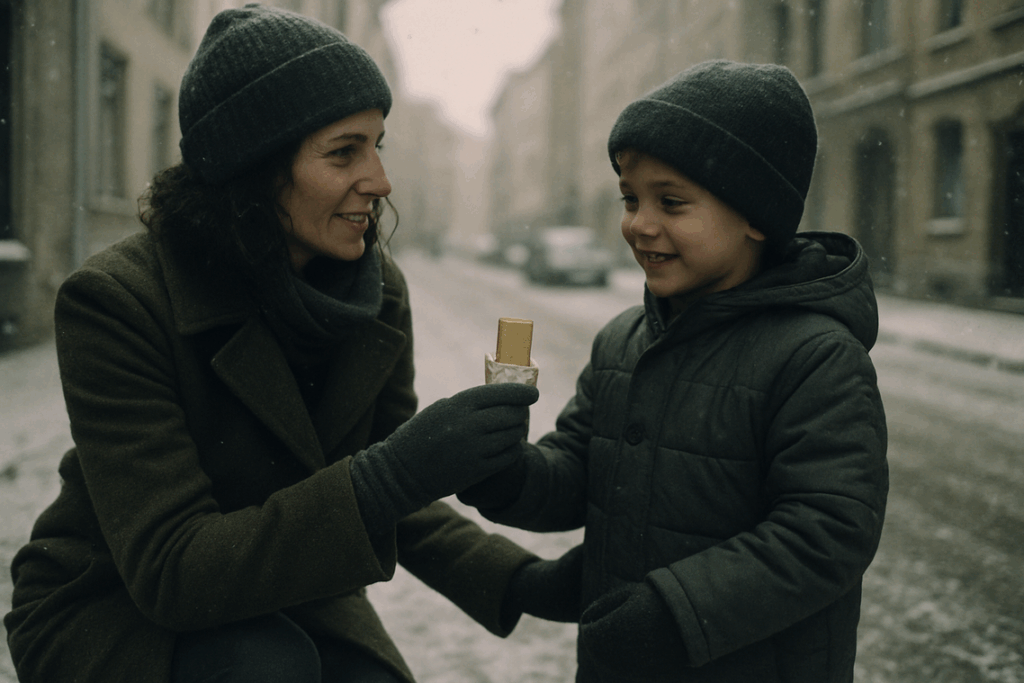

Have you ever been captivated by those charming, old-fashioned “Good Morning Monday” images on social media? They have a way of making the start of the week feel a bit more special. The phrase buenos dias lunes vintage simply means “good morning Monday vintage” and it’s all about evoking that warm, nostalgic feeling.
This trend is more than just pretty pictures. It’s a unique tool for parents to kick off the week with positivity and create teachable moments. In this article, I’ll show you what defines this vintage style, where to find beautiful examples, and how to use them to spark your child’s curiosity about art and history.
Think of it as a fun and simple family activity, not another parenting chore. Let’s dive in and make Mondays a little more magical.
What Exactly Gives an Image That ‘Vintage’ Feel?
When you hear the term vintage aesthetic, think of a cozy, old-fashioned vibe that takes you back to the 1920s through the 1970s. It’s like stepping into your grandma’s attic, where everything feels familiar and comforting.
- Muted Color Palettes: Think sepia tones and faded pastels. These colors are soft and warm, like an old photograph left in the sun.
- Textures: Soft focus or film grain textures add a touch of nostalgia. It’s like looking at the world through a slightly fogged-up window.
- Typography: Elegant scripts and bold serif fonts are common. They remind you of old book covers and classic movie posters.
Common subjects in vintage images include retro floral patterns, storybook-style illustrations of children or animals, and nostalgic objects like old telephones or cars. These elements create a sense of comfort, simplicity, and timelessness.
Imagine a modern, sharp, brightly colored graphic. It’s vibrant and energetic, like a bustling city street. Now, picture a soft, textured, sepia-toned vintage image.
It’s more like a quiet, peaceful morning—buenos dias lunes vintage—offering a gentle start to a busy week.
These visual components work together to evoke a feeling of nostalgia and calm, making vintage images a perfect way to add a touch of the past to your present.
Where to Find (and How to Create) Your Own Vintage Greetings
Finding authentic-looking vintage images can be a fun and rewarding project. Let’s dive into some accessible places to get started.
Pinterest is a goldmine. Search for terms like ‘vintage ephemera’ or ‘retro Monday quotes.’ You’ll find a treasure trove of inspiration.
Public domain archives are another great resource. Websites like the Library of Congress or the New York Public Library offer a wealth of free, high-quality vintage images.
Now, let’s create your own custom vintage image using Canva. It’s free and user-friendly.
Step 1: Choose Your Base Image
Start with a simple photo or a copyright-free illustration. A picture of a flower from your garden or a simple drawing works perfectly.
Step 2: Apply a Filter
Apply a filter to instantly change the mood. Filters like ‘Sepia,’ ‘Nordic,’ or simply lowering the saturation and contrast can give that vintage feel. buenos dias lunes vintage
Step 3: Add Your Text
Add your ‘Good Morning Monday’ text using a classic font. Fonts like ‘Playfair Display’ or ‘Pacifico’ work well and are easy to find in Canva.
Step 4 (Optional Pro-Tip): Add Texture
For a more authentic look, add a subtle ‘paper texture’ or ‘grain’ overlay. These can be found in Canva’s element library.
Creating a buenos dias lunes vintage greeting card? Follow these steps, and you’ll have a beautiful, personalized vintage greeting in no time.
Turning a Simple Image into a Fun Learning Moment
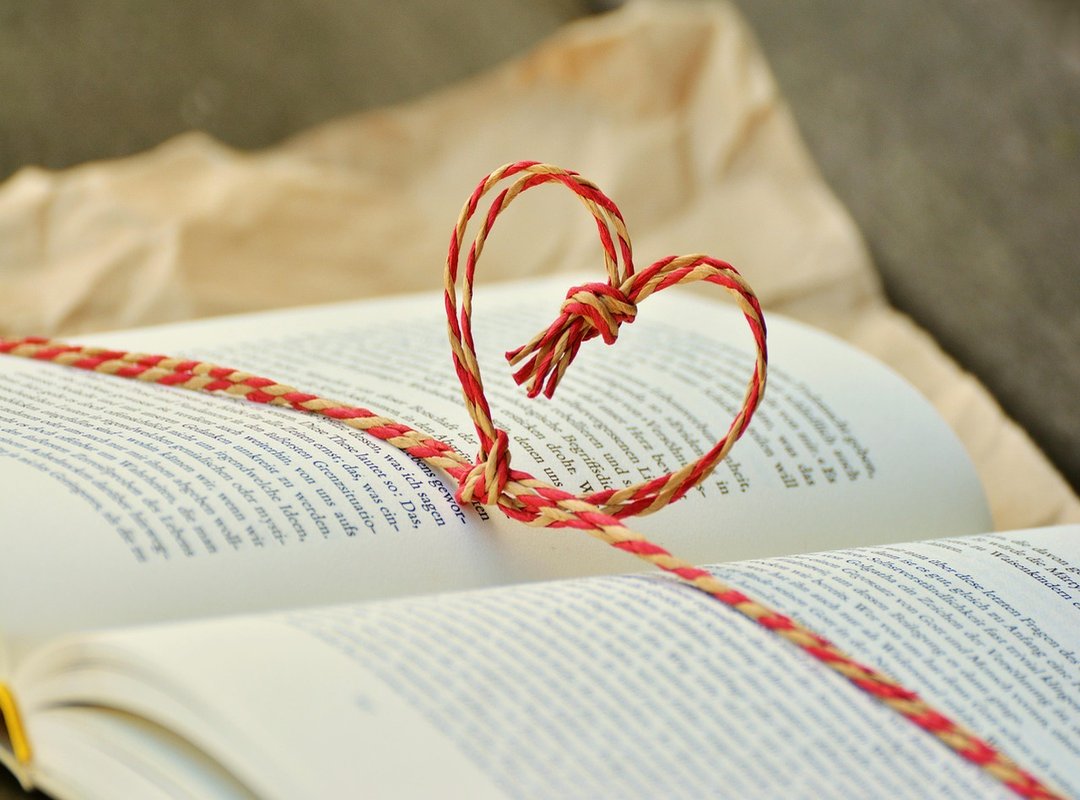
Sometimes, the simplest things can spark the most engaging conversations. A single image can be a powerful conversation starter with children of all ages. It’s not just about what the picture looks like; it’s about the stories and questions it can inspire.
What do you think the person in this drawing is wearing? Does it look like our clothes today? This old car looks different from ours, how do you think it worked?
These kinds of questions can lead to fascinating discussions.
An image with a 1950s kitchen, for example, can open up a whole world of history. You can talk about how technology has changed daily life. How did people cook back then?
What appliances did they use?
Creating a weekly ritual, like a buenos dias lunes vintage, can make these moments even more special. Every Monday morning, pick an image and talk about the colors, shapes, and feelings it evokes. This introduces basic art concepts and makes learning fun.
This activity transforms passive screen-scrolling into an active, engaging, and screen-free (if printed) bonding experience. It fosters curiosity and helps your child develop critical thinking skills. Plus, it’s a great way to spend quality time together.
Make Every Monday a Mini-Adventure in Time
The buenos dias lunes vintage trend is a delightful way to infuse the start of the week with a blend of modern parenting and timeless charm. It’s about creating a positive and predictable routine that can ease the Monday morning rush.
This simple practice turns the beginning of the week into something to look forward to. You don’t need to be an expert in art or history. The goal is simply to spark curiosity and enjoy a creative moment with your child.
This coming Monday, try finding one vintage image with your child. Print it out, hang it on the fridge, and see what wonderful conversations begin.

 Ronna Fisheroda writes the kind of child development insights content that people actually send to each other. Not because it's flashy or controversial, but because it's the sort of thing where you read it and immediately think of three people who need to see it. Ronna has a talent for identifying the questions that a lot of people have but haven't quite figured out how to articulate yet — and then answering them properly.
They covers a lot of ground: Child Development Insights, Practical Toddler Care Tips, Kids' Blog-Focused Learning Paths, and plenty of adjacent territory that doesn't always get treated with the same seriousness. The consistency across all of it is a certain kind of respect for the reader. Ronna doesn't assume people are stupid, and they doesn't assume they know everything either. They writes for someone who is genuinely trying to figure something out — because that's usually who's actually reading. That assumption shapes everything from how they structures an explanation to how much background they includes before getting to the point.
Beyond the practical stuff, there's something in Ronna's writing that reflects a real investment in the subject — not performed enthusiasm, but the kind of sustained interest that produces insight over time. They has been paying attention to child development insights long enough that they notices things a more casual observer would miss. That depth shows up in the work in ways that are hard to fake.
Ronna Fisheroda writes the kind of child development insights content that people actually send to each other. Not because it's flashy or controversial, but because it's the sort of thing where you read it and immediately think of three people who need to see it. Ronna has a talent for identifying the questions that a lot of people have but haven't quite figured out how to articulate yet — and then answering them properly.
They covers a lot of ground: Child Development Insights, Practical Toddler Care Tips, Kids' Blog-Focused Learning Paths, and plenty of adjacent territory that doesn't always get treated with the same seriousness. The consistency across all of it is a certain kind of respect for the reader. Ronna doesn't assume people are stupid, and they doesn't assume they know everything either. They writes for someone who is genuinely trying to figure something out — because that's usually who's actually reading. That assumption shapes everything from how they structures an explanation to how much background they includes before getting to the point.
Beyond the practical stuff, there's something in Ronna's writing that reflects a real investment in the subject — not performed enthusiasm, but the kind of sustained interest that produces insight over time. They has been paying attention to child development insights long enough that they notices things a more casual observer would miss. That depth shows up in the work in ways that are hard to fake.