
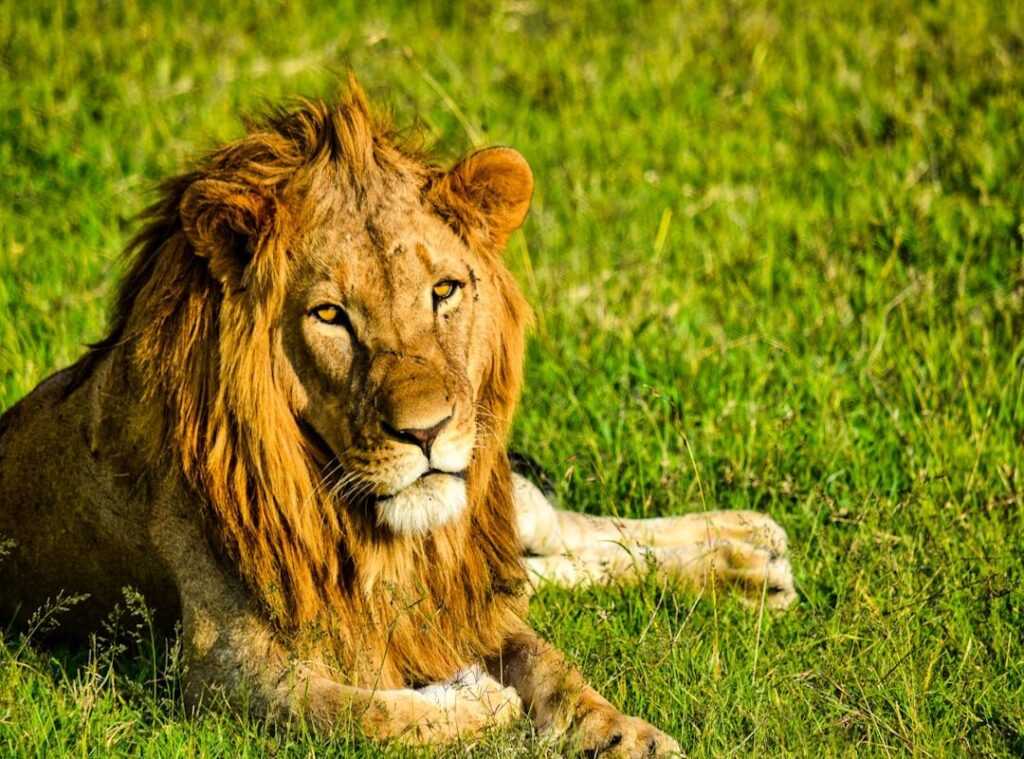
Kids never stop asking about animals, do they? “Why do birds sing?” “What do squirrels eat?” It’s constant. Finding animal kingdom facts that are both accurate and kid-friendly can feel like a wild goose chase. I know the struggle of digging through piles of dry facts and complicated science.
You want engaging, safe, and reliable content. The good news? This guide is your solution.
I’ve compiled the best resources and activities to make learning about wildlife fun and interactive. Trust me, this isn’t just another dull list. It’s built to help your child explore joyfully.
Ready to dive in?
Learning About Wildlife: A Key to Child Growth
Wildlife education isn’t just about knowing animal kingdom facts. It’s a gateway to understanding life. Kids develop compassion by learning about an animal’s needs and habitat.
They see the world beyond their backyard. Does a tiger need more than just meat? These questions spark empathy, a key trait.
Understanding ecosystems and food chains can feel like a formal science lesson. But it doesn’t have to be. When kids learn about how different animals interact within their environments, they grasp foundational science concepts.
They start to see how everything is connected. It’s like a giant puzzle they’re piecing together themselves.
Pro tip: A great way to boost observation skills is through wildlife. By focusing on an animal’s color, the sound it makes, or even its tracks, children sharpen their focus. They become more curious.
It’s about looking closer, hearing better, and noticing the unnoticed. It’s amazing how much you can learn just by watching a bird hop around.
Then there’s creativity. Animal facts inspire stories and drawings. Do you ever wonder how a child imagines a world where dolphins ride rainbows?
Or how a panda could be a secret agent? The imagination runs wild. Encouraging this creativity can lead to unexpected discoveries.
For those nights when the sky calls, consider exploring night sky kids basics. It can be as fascinating as discovering wildlife. Both experiences broaden perspectives.
In the end, wildlife education opens minds. It’s a building block for growth. It teaches empathy, science, and creativity all at once.
So why not dive in?
Your Digital Safari: Kid-Safe Online Resources
When you’re looking for the best ways to let your kids explore the wild side of the internet, you need more than just protection. You need a cheat sheet to get through the overwhelming options. I’ve spent hours (okay, maybe days) hunting for the best kid-friendly wildlife sites.
Here’s the inside scoop.
Let’s talk websites first. National Geographic Kids is a top pick. Why? It offers amazing videos and fact pages perfect for young readers.
I found it easy to get through, and my kids loved the vivid pictures. Then there’s San Diego Zoo Kids. It’s a hit in my house for its fun animal cams.
They make you feel like you’re right there with the pandas. Who wouldn’t want that? It’s simple and engaging.
No surprise my kids keep going back for more.
Video content can be a game-changer, too. I’ve noticed my kids learn better when they see it in action. PBS’s Wild Kratts is a personal favorite.
The mix of animation and live-action keeps them glued while learning fun animal facts. It’s like having a safari guide on your screen.
Now, interactive apps. There’s this super cool app called Merlin Bird ID. It identifies birds by their song.
My kids are obsessed. They feel like mini ornithologists. There’s also Animal Planet Animal Jam, which is more game-like and educational.
It’s got quizzes and games that can make any rainy afternoon fly by.
Here’s a key tip: don’t just set and forget. Dive into these resources with your kids. Co-viewing is key.
You’ll answer questions and make sure the experience is positive. Who knows, you might enjoy it too.
Want to know more about wild animals? Check out these animal kingdom facts. It’s packed with trivia that’ll surprise both you and your kids.
Bring Learning to Life: Make Wildlife Fun at Home
Let’s ditch passive screens for a moment and dive into some real fun. Crafting and creating can make learning about wildlife not just educational but exciting. Why just read about the animal kingdom when you can build it?

Activity 1: Create a Habitat Diorama. Get a shoebox, some craft supplies, and a few natural bits like twigs and leaves. Here’s a pro tip: pick an animal your child is curious about.
Did you know they can even choose from Wonders Ocean Curious Kids? It’s a great way to discover unique habitats. Start by lining the shoebox with construction paper, then shape the space.
Use clay or figurines for animals, and arrange the twigs for trees. This activity makes those animal kingdom facts stick.
Next up, Activity 2: Make Your Own Animal Fact Cards. It’s so simple. Grab an index card and let the kids draw their favorite animal.
On the back, list 2-3 fun facts. You might wonder if it works. It does (trust me).
This approach sharpens memory and gets them to dig a bit deeper into research.
Now for some sound fun. Activity 3: Animal Sounds Guessing Game. Find an app or website that plays animal sounds.
Gather the family around and play different sounds. Can you guess which one is a lion, a whale, or perhaps a rare bird? This is where the senses come alive, making it an engaging way to learn.
It’s like turning your living room into a mini safari.
Why are these activities so effective? They shift from mere words on a page to real-world interaction. Each task is designed to spark curiosity, encourage exploration, and most importantly, make learning a shared adventure.
After all, who said education had to be boring?
Explore Your Own Backyard: Nature’s Hidden Gems
Why travel to the ends of the earth when the animal kingdom facts you’re curious about might be right under your nose? Seriously, take a peek outside. Nature’s got its own little show happening just down the street.
Birds, squirrels, butterflies, ladybugs, ants. They’re all part of your local scene. It’s like hosting a mini safari without leaving your neighborhood.
Grab a magnifying glass and look closer at those tiny insects. Or use binoculars for birdwatching. But remember, observing is key.
Staying quiet lets you see more. Ever notice how that works? The quieter you are, the more they come alive.
It’s almost like watching a nature documentary unfold live.
Here’s a quick tip: Don’t touch wild animals. They might look cute, but they’re not pets. Wash your hands after poking around (you never know where ants have been).
And keep a safe distance. Your safety and theirs depend on it.
To really get into it, use online resources to identify what you find. There are apps and websites that help you figure out whether that bird is a robin or something more exotic. It’s like having a pocket guide.
Right on your phone. Who knew learning about wildlife could be this easy and fun?
Dive Headfirst into the Animal Adventure
You’re here because finding kid-friendly wildlife content feels like an endless search. Trust me, I’ve been there. But guess what?
We’ve nailed it. With animal kingdom facts combined with interactive activities, learning becomes an adventure. No more sifting through unreliable sources.
This week, challenge yourself. Pick one resource or one activity. Dive in with your child.
It’s not just about facts; it’s about bonding, curiosity, and excitement. Start small, feel the change. Ready to transform your family’s wildlife exploration?
Start now. Make it real. Visit llblogkids.com.co today and ignite that passion for learning.

 Graciela Robinsonueva writes the kind of child development insights content that people actually send to each other. Not because it's flashy or controversial, but because it's the sort of thing where you read it and immediately think of three people who need to see it. Graciela has a talent for identifying the questions that a lot of people have but haven't quite figured out how to articulate yet — and then answering them properly.
They covers a lot of ground: Child Development Insights, Kids' Blog-Focused Learning Paths, Practical Toddler Care Tips, and plenty of adjacent territory that doesn't always get treated with the same seriousness. The consistency across all of it is a certain kind of respect for the reader. Graciela doesn't assume people are stupid, and they doesn't assume they know everything either. They writes for someone who is genuinely trying to figure something out — because that's usually who's actually reading. That assumption shapes everything from how they structures an explanation to how much background they includes before getting to the point.
Beyond the practical stuff, there's something in Graciela's writing that reflects a real investment in the subject — not performed enthusiasm, but the kind of sustained interest that produces insight over time. They has been paying attention to child development insights long enough that they notices things a more casual observer would miss. That depth shows up in the work in ways that are hard to fake.