
You’re sitting at the table. Everyone’s got a phone in hand. Even the kid is scrolling TikTok instead of asking about your day.
That silence isn’t peace. It’s avoidance wearing a polite face.
I’ve seen this exact scene hundreds of times. In blended families where step-siblings won’t make eye contact. In homes with grandparents who speak three languages but still feel unheard.
In houses where someone just got laid off. And no one knows how to start talking about it.
It’s not that people don’t care. They do. But caring doesn’t teach you how to ask a question without sounding like an interrogator.
I’ve spent years guiding real families through real conversations. Not therapy sessions. Not lectures.
Just rooms full of tired, loving, messy humans trying to connect.
No scripts. No performance. Just small moves that actually shift something.
Like pausing before replying, or naming the feeling before the argument starts.
This isn’t about fixing everything in one talk.
It’s about building trust one honest sentence at a time.
You’ll walk away with things you can try tonight. Things that work whether your kid is 8 or 28. Things that don’t require perfect timing or perfect moods.
Useful Hacks Whatutalkingboutfamily
Start Small: The Power of Micro-Connections Before Big Talks
I used to think deep talks needed big setups. A quiet evening. A serious tone.
A full hour.
They don’t.
What actually works is the tiny stuff. Done daily.
Whatutalkingboutfamily nails this. It’s not about grand gestures. It’s about showing up in micro-ways that say I see you.
Without demanding anything back.
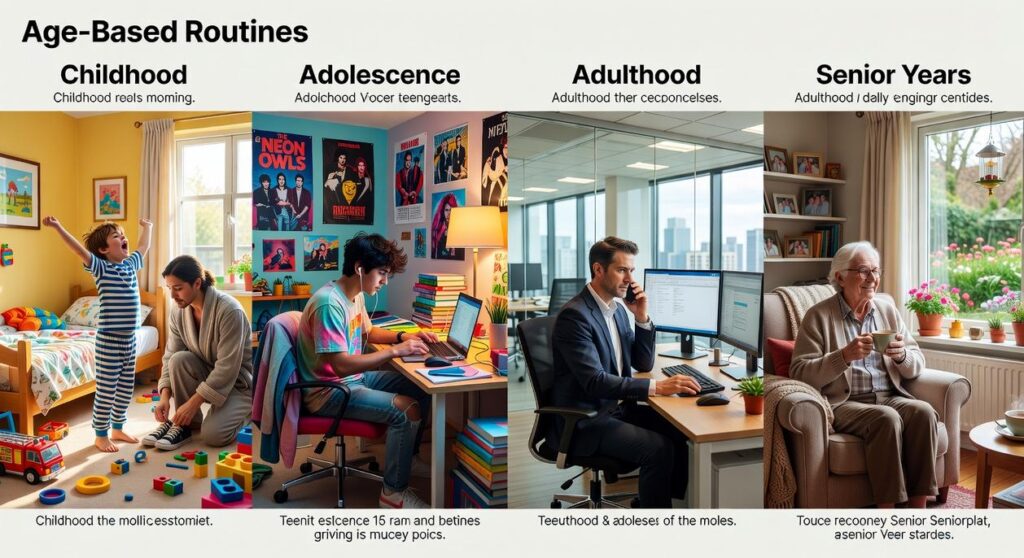
For young kids: At snack time, ask “What made you smile today?” Not “How was school?” That second one invites a shrug. The first one lands softer. Lets them pick one real thing.
For teens: While folding laundry together, say “What’s one thing you didn’t tell anyone else this week?” Not “What’s wrong?” Not “You seem off.” Just an open door. No follow-up unless they walk through it.
For aging parents: While stirring coffee, try “What’s something you remember clearly from when you were 12?” Not “How are you feeling?” Not “Are you okay?” Memory questions bypass resistance. They’re warm. They’re safe.
Your amygdala doesn’t care about your good intentions. It cares about threat level. Short, low-stakes exchanges lower its guard.
Consistency beats intensity every time.
Skipping micro-connections when you’re stressed? That’s when they matter most.
Ask the question. Then shut up. Let it breathe.
Micro-connections are emotional warm-ups. Not small talk. Not filler.
Useful Hacks Whatutalkingboutfamily shows how simple shifts change everything.
Listen to Understand (Not) to Fix, Judge, or Redirect
I used to jump in with solutions before the other person finished their sentence. Still do sometimes. (It’s embarrassing.)
Active listening isn’t about waiting for your turn. It’s pausing two seconds before you speak. That silence feels weird at first.
Good.
Say your teen says they failed a test. You say: “You sound frustrated.” Not “I failed one too” or “Let’s make a study plan.” Just name the feeling. That’s it.
Fixing mode:
“Did you even read the chapter?”
“My cousin aced that class. Just ask her how.”
“Let’s call the teacher tomorrow.”
Holding space mode:
“That stings.”
“You worked hard on that.”
“Want to talk more?”
Which version would you want to hear right now?
Here’s your self-check: If I removed my last three sentences, would the other person feel heard? Try it next time.
When you catch yourself slipping into advice-giving? Stop. Breathe.
Name the impulse silently: “I want to fix this.” Then go quiet again.
It’s not natural. It’s trained. And it works.
This is one of the most practical things I know. And it’s in Useful Hacks Whatutalkingboutfamily.
You don’t have to get it perfect. Just pause. Just name the feeling.
Just stay.
Get through Triggers Without Shutting Down or Escalating
I used to leave the room. Slam a door. Say nothing for hours.
Not because I was angry (but) because my throat closed and my thoughts scrambled.
That’s not control. That’s collapse.
Four things set me off fast:
A raised voice (it signals danger, not disagreement)
“You always…” (means I feel unheard)
Crossed arms + turned hips (a physical “I’m done”)
Sighing mid-sentence (exhaustion wearing thin)
I named them. Then I built a real response.
The Pause-Name-Choose method works because it interrupts autopilot. Pause before you speak. Name what’s happening in your body. “My jaw is clenched”.
Not what they did. Then choose one of two pre-written lines:
“I need 90 seconds.”
“Can we pause and come back at 7?”
No explanations. No justifications. Just clean exits.
Try this instead of blaming:
“I’m feeling overwhelmed (can) we slow down?”
Not “You’re talking too fast!”
One owns the feeling. The other starts a fight.
Time-outs only work if you name the reconnection. No “I’ll be back.” Say: “I’ll grab water and meet you on the couch in three minutes.”
You show up. You follow through. That’s how trust rebuilds.
Whatutalkingboutfamily Useful Tips has more of these (no) fluff, just tested scripts.
Useful Hacks Whatutalkingboutfamily? Start with naming one trigger tomorrow. Just that.
Make Space for Silence, Disagreement, and Unfinished Business

I used to think family talks had to end with hugs and agreement. (Spoiler: they don’t.)
Research shows relational resilience grows most in the messy middle (not) the tidy endings. Not the forced cheer. The real glue is how you hold space when things are awkward, quiet, or unresolved.
Silence isn’t failure. It’s often regulation. Try walking side by side or folding laundry together.
No eye contact required. Your nervous systems sync up easier that way.
Disagreement? Drop the “let’s fix this now” pressure. Here’s my non-negotiable rule: no interrupting, no labels like “you’re so dramatic,” and one person holds a spoon while speaking.
Others listen. Full stop.
Unfinished business? Name it without demanding closure. Say: “I know we didn’t land on anything earlier (I) just want you to know I’m still thinking about it.” That’s enough.
You don’t have to solve everything at the dinner table. You don’t have to fill every pause. You don’t have to perform harmony.
This is where Useful Hacks Whatutalkingboutfamily actually live (in) the breath between words.
Try it tonight. Just one spoon. Just one walk.
Just one sentence that doesn’t demand an answer.
It works.
Build Your Family’s Conversation Habits (Not) Just One-Off Talks
I tried the “big talk” approach for years. It never stuck.
Then I switched to the 3-Minute Weekly Check-In. Everyone sits. No phones.
No agenda beyond three questions:
One thing I appreciated this week…
One thing I’m carrying…
Look, One small thing I need help with…
That’s it. No follow-ups. No fixes.
Just listening.
I attach it to Sunday breakfast. Habit stacking works. Piggybacking on something already baked in means you actually do it.
By week 4, you’ll know it’s taking root if:
Kids start asking the questions themselves
Silences feel calm, not awkward
Topics shift from “my math test” to “I’m worried about Sam”
If none of that happens by week 4? Drop the pressure. Try biweekly.
Or move it to Friday carpool. But pick one recurring slot (and) guard it like it matters. (It does.)
Consistency beats intensity every time.
The life hacks whatutalkingboutfamily include real tools like this. Not just theory.
Useful Hacks Whatutalkingboutfamily aren’t about perfection. They’re about showing up, again and again, with your full attention.
One Intentional Exchange Changes Everything
I’ve been there. Staring at my phone instead of making eye contact. Swallowing a sharp reply.
Wishing I’d said something. Or nothing at all.
That fear of saying the wrong thing? It’s real. And it stops more conversations than silence ever could.
So try this instead: pause for two seconds before you answer your kid, your sibling, your parent. Just two seconds. No script.
No performance. Just breath.
That’s where Useful Hacks Whatutalkingboutfamily starts. Not with perfection, but presence.
You don’t need to fix everything today. Just pick one tip. Use it in your next family moment.
No prep. No pressure. Just show up (differently.)
Connection grows not in perfect moments, but in the quiet courage to try again (and) again. With kindness.

 Ronna Fisheroda writes the kind of child development insights content that people actually send to each other. Not because it's flashy or controversial, but because it's the sort of thing where you read it and immediately think of three people who need to see it. Ronna has a talent for identifying the questions that a lot of people have but haven't quite figured out how to articulate yet — and then answering them properly.
They covers a lot of ground: Child Development Insights, Practical Toddler Care Tips, Kids' Blog-Focused Learning Paths, and plenty of adjacent territory that doesn't always get treated with the same seriousness. The consistency across all of it is a certain kind of respect for the reader. Ronna doesn't assume people are stupid, and they doesn't assume they know everything either. They writes for someone who is genuinely trying to figure something out — because that's usually who's actually reading. That assumption shapes everything from how they structures an explanation to how much background they includes before getting to the point.
Beyond the practical stuff, there's something in Ronna's writing that reflects a real investment in the subject — not performed enthusiasm, but the kind of sustained interest that produces insight over time. They has been paying attention to child development insights long enough that they notices things a more casual observer would miss. That depth shows up in the work in ways that are hard to fake.
Ronna Fisheroda writes the kind of child development insights content that people actually send to each other. Not because it's flashy or controversial, but because it's the sort of thing where you read it and immediately think of three people who need to see it. Ronna has a talent for identifying the questions that a lot of people have but haven't quite figured out how to articulate yet — and then answering them properly.
They covers a lot of ground: Child Development Insights, Practical Toddler Care Tips, Kids' Blog-Focused Learning Paths, and plenty of adjacent territory that doesn't always get treated with the same seriousness. The consistency across all of it is a certain kind of respect for the reader. Ronna doesn't assume people are stupid, and they doesn't assume they know everything either. They writes for someone who is genuinely trying to figure something out — because that's usually who's actually reading. That assumption shapes everything from how they structures an explanation to how much background they includes before getting to the point.
Beyond the practical stuff, there's something in Ronna's writing that reflects a real investment in the subject — not performed enthusiasm, but the kind of sustained interest that produces insight over time. They has been paying attention to child development insights long enough that they notices things a more casual observer would miss. That depth shows up in the work in ways that are hard to fake.