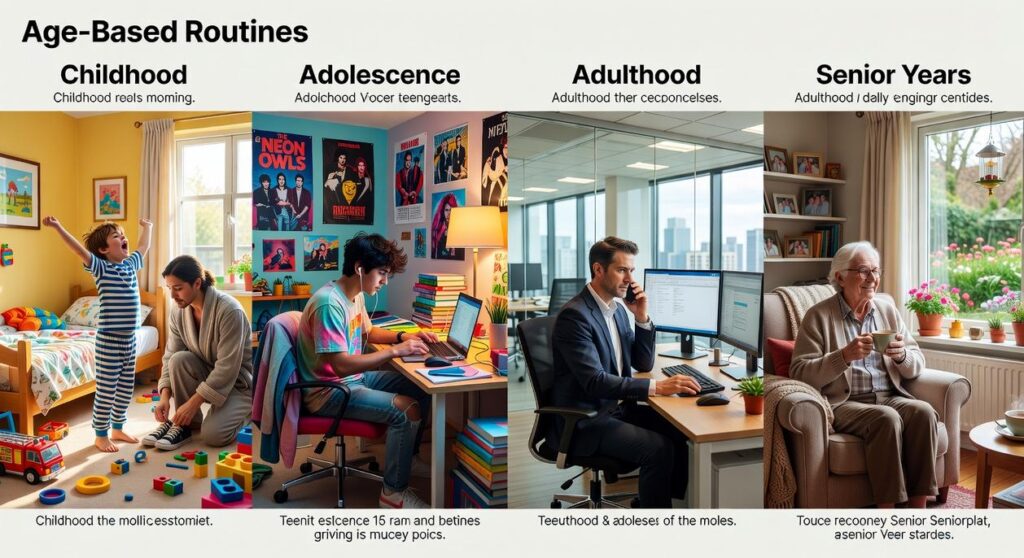

Raising confident, emotionally secure children doesn’t come with a manual—but the right guidance can make all the difference. If you’re searching for practical parenting strategies, toddler care tips, and meaningful ways to support your child’s development, this article is designed to give you clear, research-backed direction you can use right away.
Parents often feel overwhelmed by conflicting advice, especially when it comes to early learning, behavior challenges, and building strong connections at home. Here, you’ll find evidence-informed insights rooted in child development research and widely recommended best practices from pediatric and early education experts.
We’ll explore effective routines, communication techniques, and simple daily parent child bonding habits that strengthen trust and emotional security. You’ll also discover age-appropriate learning paths that nurture curiosity without pressure.
Whether you’re guiding a toddler through milestones or looking to deepen your relationship with your child, this article delivers practical, trustworthy strategies to help your family thrive.
Every parent wants that unshakable bond with their child—the kind that feels warm, secure, and lasting. Yet between packed schedules, endless notifications, and the glow of screens, distance can quietly grow. It’s not a lack of love; it’s modern life. Think of it like “The Lion King”—connection thrives when we show up. So, let’s move beyond vague advice. Instead, you’ll find practical, research-backed strategies rooted in child development, from toddler giggles to teen talks. With intentional parent child bonding habits, you can build trust, respect, and resilience that grows through every stage. And yes, it truly is possible. Today.
The Power of Presence: Mastering Quality, Focused Time
Many parents assume being physically nearby equals connection. But “quantity time” simply means sharing space—like sitting in the same house while everyone scrolls on separate screens. “Quality time,” on the other hand, is focused, intentional attention. It’s eye contact, listening, and responding (yes, even when you’re tired).
One practical framework is the 10-Minute Magic concept: ten uninterrupted, child-led, device-free minutes daily. Research from the American Academy of Pediatrics shows consistent, responsive interaction strengthens emotional security and resilience. Ten minutes may sound small, but consistency builds trust (think compound interest, but for relationships).
Simple rituals also anchor kids emotionally. Bedtime stories, Saturday pancakes, or weekly game nights create predictability—a key factor in child development psychology. These repeated moments become powerful parent child bonding habits that signal safety and belonging.
Age-specific presence matters:
- With toddlers, sit on the floor and build blocks at their level.
- With school-aged kids, ask them to teach you their favorite game.
- With teens, take a walk and let conversation unfold naturally.
Some argue more hours matter more. But focused minutes often outperform distracted afternoons. Pro tip: Put your phone in another room during connection time. Presence isn’t about duration—it’s about depth.
Communication That Connects: How to Listen So They Will Talk
Have you ever wondered why your child shuts down the moment you ask, “How was school?” Sound familiar? The truth is, most kids don’t need more questions; they need better listening.
Active Listening means reflecting back what your child says so they feel heard. For example, you might say, “It sounds like you felt really left out when that happened.” In other words, you’re holding up a mirror to their feelings. When children feel understood, they’re far more likely to keep talking.
Of course, listening doesn’t mean agreeing with everything. You can validate feelings without condoning behavior: “I understand you’re angry, but hitting is not okay. Let’s talk about what we can do with that anger.” This teaches emotional regulation—the ability to manage big feelings safely.
Instead of closed questions, try open-ended ones. Ask, “What was the most interesting thing that happened today?” Then, pause. Give them space. After all, connection grows in the silence.
Timing matters, too. Difficult conversations often flow better in the car or during a shared activity, when eye contact feels less intense. Additionally, use “I” statements: “I feel worried when homework is skipped.” This reduces blame and invites teamwork.
Over time, these small shifts become powerful parent child bonding habits. So, next time your child hesitates, ask yourself: are you truly listening, or just waiting to respond? The difference changes everything.
Start today, and watch your conversations transform into trust. One step at time.
Fostering Mutual Respect and Trust as a Two-Way Street

Trust in a family isn’t built through grand speeches; it’s built through reliability—the consistent act of doing what you say you’ll do. Reliability means keeping small promises (like showing up to the school pickup line on time or reading that bedtime story you promised). When children see follow-through on little things, they believe you’ll show up for the big things.
Some argue that parents shouldn’t “negotiate” with kids. But involving children in age-appropriate decisions—like choosing between two weekend activities or helping plan Taco Tuesday—doesn’t weaken authority. It strengthens buy-in. In many close-knit neighborhoods, from PTA meetings to local soccer leagues, kids who feel heard at home often speak up confidently elsewhere.
A powerful, often overlooked trust-builder is a parent saying, “I’m sorry.” Apologizing models accountability and humility. (Yes, even adults get it wrong sometimes.) That moment teaches more about character than a lecture ever could.
As children grow—especially in the pre-teen and teenage years—respecting privacy becomes essential. Knocking before entering their room or allowing journal space signals trust, not distance.
If stress makes consistency hard, explore strategies for managing daily parenting stress without feeling overwhelmed.
Strong parent child bonding habits include:
- Keeping promises
- Listening without interrupting
- Respecting personal space
Trust, after all, is a two-way street.
Navigating Conflict While Strengthening Your Bond
Choose Connection Over Control
Discipline works best when children experience it as safety, not punishment. Boundaries are simply limits that protect everyone’s well-being (think of them as guardrails, not cages). Instead of labeling your child, focus on the problem: “This room is messy and needs to be cleaned” rather than “You’re messy.” That subtle shift reduces shame and builds accountability.
When issues repeat, try collaborative problem-solving. Say, “You keep forgetting your homework. What system can we create together?” This teaches ownership and models teamwork. Visit more parenting tips. Pro tip: write the plan down and review it weekly.
Conflict isn’t the enemy; disconnection is. Always repair afterward with a hug, a kind word, or shared activity. These small rituals strengthen parent child bonding habits and remind your child that love remains, even after hard moments.
Choose calm consistency and connection each time consistently.
The journey of connection rests on four pillars: Presence, Communication, Respect, and Healthy Conflict Resolution. Presence means showing up fully (phone down, eyes up). Communication is clear, age-appropriate dialogue. Respect teaches mutual dignity. Healthy conflict resolution shows disagreements can end in understanding, not fear. Many guides focus on dramatic bonding moments; the truth is quieter. Strong relationships grow from consistent parent child bonding habits practiced daily. Small check-ins, shared routines, calm repairs after mistakes. Progress feels slow, and that’s normal. Be patient with yourself and your child. Keep going. These steady steps build a secure, loving foundation for life. Together.
Strengthen Your Connection Starting Today
You came here looking for practical ways to build stronger bonds with your child—and now you have clear, actionable strategies to make that happen. From daily routines to meaningful conversations, you understand how small, consistent efforts shape lifelong trust and emotional security.
The truth is, busy schedules and constant distractions can quietly weaken connection. When time feels short and patience runs thin, it’s easy to worry that you’re not doing enough. That concern is valid—because strong relationships don’t happen by accident. They’re built through intentional, consistent parent child bonding habits that nurture closeness day after day.
Now it’s your move. Choose one strategy from this guide and start today—whether it’s 10 minutes of device-free play, a new bedtime ritual, or more intentional listening. Small steps create powerful results over time.
If you want more proven, practical parenting strategies that make connection easier (and are trusted by thousands of parents), explore our expert-backed resources and start building the bond your child will carry for life. Don’t wait—your child’s most important relationship is the one you strengthen right now.